
Mole Poblano vs Mole Negro: What’s the Difference Between Mexico’s Two Most Famous Mole Sauces?
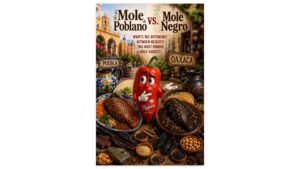
Choosing between mole poblano and mole negro is a little like choosing between two masterpieces painted with chiles, spices, nuts, seeds, and chocolate. One is Puebla’s famously balanced celebration sauce; the other is Oaxaca’s darker, smokier, deeply roasted legend. Both require patience, both inspire fiercely loyal fans, and neither should ever be dismissed as “chocolate sauce on chicken.”
At first glance, mole poblano and mole negro can appear remarkably similar. Both are dark, velvety Mexican sauces made by carefully combining dried chiles, spices, nuts, seeds, toasted ingredients, and a modest amount of chocolate. Both are traditionally served over chicken or turkey, and both are closely connected to family celebrations, regional pride, and recipes passed from one generation to the next.
But place them side by side and the differences quickly become clear.
Mole poblano is inseparable from Puebla, where its smooth texture, rounded chile flavor, gentle sweetness, and remarkable balance have made it one of Mexico’s most internationally recognized dishes. It is rich and complex, but often approachable enough to serve as a first introduction to traditional mole.
Mole negro, one of Oaxaca’s most celebrated sauces, usually travels further into the world of deep roasting, smoke, bitterness, and dark chile flavor. Its nearly black appearance and intensely layered character come from ingredients that may be toasted considerably longer, creating a more dramatic and mysterious sauce.
Neither sauce is simply sweet, and neither tastes primarily of chocolate. Chocolate plays a supporting role, softening bitterness and contributing depth while allowing the chiles, spices, seeds, and roasted ingredients to remain at the center of the experience.
Within Mexican Street Food Beyond Tacos: Elote, Tortas, Tamales & More, these two legendary moles demonstrate why Mexican food cannot be understood as one uniform cuisine. Puebla and Oaxaca use overlapping ingredients, yet transform them into sauces with distinctly different personalities.
The real question is not which mole is objectively better. It is whether you prefer the balanced warmth of Puebla or the darker, smokier intensity of Oaxaca—and the best answer may be to try both.

Mole Poblano vs. Mole Negro Quick Guide
Where Do They Come From?
- Mole poblano: Puebla
- Mole negro: Oaxaca
What Do They Taste Like?
- Mole poblano: Rich, smooth, smoky, gently sweet, mildly spicy, and beautifully balanced.
- Mole negro: Darker, smokier, earthier, more intensely roasted, and often slightly bittersweet.
Which Chiles Are Commonly Used?
- Mole poblano: Ancho, mulato, and pasilla chiles are commonly associated with traditional versions.
- Mole negro: Recipes vary, but may include chilhuacle negro alongside other dried Oaxacan chiles.
Does Either Mole Taste Like Chocolate? No. Chocolate contributes richness, color, and balance, but neither authentic sauce should taste like dessert.
Which One Is Darker? Mole negro is generally darker because of its heavily toasted ingredients and deeply roasted chile profile.
Which One Is Sweeter? Mole poblano often tastes slightly sweeter and more rounded, although recipes vary widely between families and restaurants.
Which One Is Smokier? Mole negro usually has the stronger smoky, toasted, and bittersweet character.
Which One Should a Beginner Try First? Mole poblano is often the more approachable introduction, while mole negro rewards diners who enjoy darker roasted flavors and greater intensity.
How Are They Traditionally Served? Both are commonly served over chicken or turkey with rice, handmade corn tortillas, beans, and toasted sesame seeds.
Because both sauces already contain extraordinary depth, additional heat should complement rather than compete with them. Peppers of Key West Jalapeño Garlic Hot Sauce adds gentle savory brightness to chicken served with mole poblano, while our Macho Beefy Coffee & Ancho Steak Seasoning echoes the roasted chile and earthy flavors that make mole negro so distinctive.
Why Do Mole Poblano and Mole Negro Taste So Different Despite Using Similar Ingredients?
Although mole poblano and mole negro share many traditional ingredients, they create remarkably different eating experiences. The difference isn’t simply one ingredient or one spice—it’s the way generations of cooks in Puebla and Oaxaca have developed their own regional philosophies around flavor.
Mole poblano is often described as balanced. Its combination of dried ancho, mulato, and pasilla chiles creates a sauce that’s rich and earthy without overwhelming the palate. Mexican chocolate contributes subtle sweetness and body, while toasted nuts, seeds, spices, bread, and tortillas blend into a smooth, velvety sauce where no single ingredient dominates.
Mole negro follows a darker, more intensely roasted path. Traditional Oaxacan recipes frequently roast their ingredients longer, producing deeper caramelization and smoky flavors. Chilhuacle negro peppers, when available, contribute distinctive earthy notes, while heavily toasted chiles, spices, seeds, and chocolate create a sauce with remarkable depth and a slightly bittersweet finish.
Texture also plays an important role. Both sauces should be smooth and luxurious, but mole negro often feels slightly heavier and more concentrated, while mole poblano tends to finish with a softer, rounder character.
Neither style is intended to be fiery. Authentic mole emphasizes complexity rather than heat, allowing dozens of ingredients to work together instead of competing for attention.
THE GREATEST DIFFERENCE ISN’T THE CHOCOLATE—IT’S THE CENTURIES OF REGIONAL TRADITION THAT SHAPED EACH SAUCE INTO SOMETHING COMPLETELY UNIQUE.
A deeper look at authentic ingredients can be found in Mexican Street Food Ingredients Explained: The Essential Flavors Behind Authentic Mexican Cooking, where you’ll learn how dried chiles, spices, herbs, seeds, and traditional seasonings define regional Mexican cuisine.
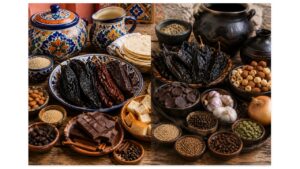
Puebla vs. Oaxaca: Two Regions, Two Culinary Traditions
One of the easiest ways to understand these famous mole sauces is to think beyond the ingredients and focus on the regions that created them.
Puebla has long been recognized as one of Mexico’s great culinary capitals. Colonial influences blended with Indigenous cooking traditions to produce celebrated dishes like mole poblano, cemitas, chalupas, and chiles en nogada. The region is known for creating recipes that balance rich flavors with remarkable elegance.
Oaxaca, meanwhile, is often called the culinary heart of Mexico. Indigenous traditions remain deeply rooted throughout the state, where corn, native chiles, herbs, chocolate, and centuries-old cooking techniques continue to shape everyday life. Mole negro stands as one of Oaxaca’s greatest culinary achievements, reflecting the region’s passion for slow cooking and extraordinary complexity.
Neither region tells a better story—they simply tell different ones. Their famous moles have become edible expressions of local history, geography, agriculture, and family tradition.
To dive deeper into each region’s signature sauce, explore Mole Poblano Explained: Puebla’s Legendary Sauce with Chocolate, Chiles & History and Mole Negro Explained: Oaxaca’s Most Famous Sauce and Why It Takes Days to Make. Together, they reveal how two regions transformed similar ingredients into two completely different culinary traditions.
PUEBLA AND OAXACA PROVE THAT MEXICO’S GREATEST RECIPES ARE OFTEN BORN FROM REGIONAL PRIDE, NOT FROM A SINGLE NATIONAL TRADITION.
Mole Poblano or Mole Negro: Which Should You Try First?
If you’ve never tasted authentic Mexican mole before, mole poblano is usually the easiest place to begin. Its smooth texture, balanced sweetness, gentle smokiness, and approachable flavor make it an excellent introduction to one of Mexico’s greatest culinary traditions.
Many visitors first encounter mole poblano while exploring Puebla, where restaurants proudly serve family recipes that have been refined for generations. Although every cook adds their own personal touch, the overall character remains consistent—rich, layered, and remarkably harmonious.
Mole negro often becomes a favorite after diners have experienced other mole varieties. Its darker appearance and more intensely roasted flavor reward those who appreciate deeper smoky notes, slight bitterness, and extraordinary complexity. Rather than trying to impress with heat, mole negro reveals itself gradually, with each bite uncovering another layer of flavor.
Of course, there is no wrong choice. Some people immediately fall in love with Oaxaca’s bold, dramatic mole negro, while others prefer Puebla’s softer, more rounded style. The only reliable way to discover your favorite is to experience both.
THE BEST WAY TO UNDERSTAND MEXICO’S TWO MOST FAMOUS MOLES ISN’T TO CHOOSE ONE—IT’S TO ENJOY BOTH.

Why Both Mole Sauces Represent the Best of Mexican Cuisine
One of the greatest misconceptions about Mexican food is that there is one “authentic” style of cooking. In reality, Mexico’s cuisine is a collection of regional traditions, each shaped by local ingredients, geography, climate, and centuries of cultural exchange.
Mole poblano and mole negro perfectly illustrate this diversity.
Although they share familiar ingredients like dried chiles, chocolate, spices, nuts, and seeds, each region transforms those ingredients into something entirely its own. Puebla celebrates balance and refinement, while Oaxaca embraces deeper roasting, smokier flavors, and extraordinary complexity. Neither approach replaces the other—they simply showcase different expressions of Mexican culinary artistry.
This diversity is exactly what makes exploring Mexican food so rewarding. Every region offers new flavors, cooking techniques, family traditions, and stories waiting to be discovered.
Mole poblano and mole negro may be two of Mexico’s most celebrated sauces, but they’re only the beginning of the country’s incredible world of flavor. Beyond traditional mole and salsa, Mexican cuisine features rich crema, smoky chili oils, bright citrus-based sauces, herb-forward condiments, and countless regional specialties that bring street food to life. Mexican Street Food Sauces Beyond Salsa: Crema, Chili Oils, Citrus Heat & More explores these often-overlooked sauces and explains how each one adds its own unique character to authentic Mexican cooking.
🌎 If You Ever Visit Mexico…
If your travels take you to both Puebla and Oaxaca, don’t order mole only once and assume you’ve experienced it. Try mole in each region where it was perfected, and if possible, ask whether the recipe has been passed down through the family. You’ll quickly discover that every kitchen adds its own personality to these legendary sauces, making each meal a little different from the last.
SOME OF MEXICO’S GREATEST CULINARY DISCOVERIES COME FROM TASTING THE SAME DISH IN DIFFERENT REGIONS.
🌶️ Peppers of Key West Product Pairing Quick Guide
- Jalapeño Garlic Hot Sauce – Gentle garlic flavor complements both mole poblano and mole negro without overpowering their complexity.
- Serrano Pepper Hot Sauce – Bright, fresh heat pairs especially well with roasted chicken served with mole poblano.
- Cherry Pomegranate Grilling Sauce – Light fruit sweetness works beautifully with grilled poultry before serving with mole.
- Macho Beefy Coffee & Ancho Steak Seasoning – Earthy ancho chile and coffee notes echo the roasted flavors found in authentic mole negro.
🌶️ Peppers of Key West Products for Authentic Mole Dishes
Traditional mole already delivers extraordinary depth of flavor. These Peppers of Key West products are chosen to complement—not compete with—the layered chile, spice, and roasted notes that define both mole poblano and mole negro.
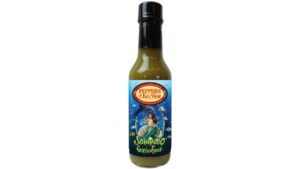
Jalapeño Garlic Hot Sauce
Smooth jalapeño peppers and roasted garlic add gentle brightness to chicken, turkey, rice, and tortillas served alongside either mole without masking the sauce’s remarkable complexity.
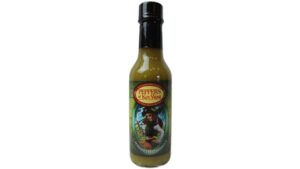
Serrano Pepper Hot Sauce
Fresh serrano peppers provide a clean, vibrant finish that naturally complements roasted poultry and handmade tortillas served with mole poblano.
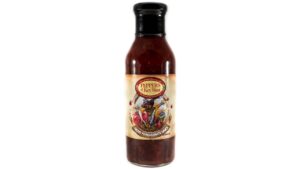
Cherry Pomegranate Grilling Sauce
Its subtle fruit-forward sweetness pairs beautifully with grilled chicken before mole is added, creating another layer of balanced flavor.
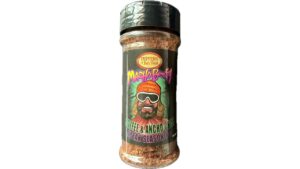
Macho Beefy Coffee & Ancho Steak Seasoning
Coffee and ancho chile create earthy roasted flavors that naturally pair with grilled meats inspired by Oaxaca’s famous mole negro.
Whether your journey begins in Puebla or Oaxaca, tasting both sauces is one of the most rewarding ways to experience the extraordinary diversity of authentic Mexican cuisine.
Frequently Asked Questions:
What is the difference between mole poblano and mole negro?
Mole poblano comes from Puebla and is known for its balanced, smooth flavor, while mole negro from Oaxaca is darker, smokier, and more intensely roasted.
Does either mole taste like chocolate?
No. Mexican chocolate contributes richness and balance, but authentic mole is primarily savory.
Which mole is darker?
Mole negro is typically much darker because its ingredients are roasted longer.
Which mole is sweeter?
Mole poblano generally has a slightly sweeter, more rounded flavor profile.
Is mole negro spicier than mole poblano?
Not necessarily. Both focus on complexity rather than heat, although recipes vary between families.
Which mole should beginners try first?
Many people find mole poblano to be the more approachable introduction because of its balanced flavor.
Where does mole poblano come from?
Mole poblano originated in Puebla, Mexico.
Where does mole negro come from?
Mole negro is one of Oaxaca’s most famous traditional sauces.
Can I make both sauces at home?
Yes, but authentic versions often require dozens of ingredients and many hours of preparation.
Which meat is traditionally served with mole?
Chicken and turkey are the most common traditional pairings for both sauces.
Continue Your Mexican Street Food Journey
Continue Discovering Authentic Mexican Cuisine
- Mole Poblano Explained: Puebla’s Legendary Sauce with Chocolate, Chiles & History
- Mole Negro Explained: Oaxaca’s Most Famous Sauce and Why It Takes Days to Make
- Tlayudas Explained: Oaxaca’s Giant Street Food Masterpiece
- Memelas Explained: Oaxaca’s Thick Corn Street Food Favorite
- Cemitas Explained: Mexico’s Ultimate Street Food Sandwich Loaded with Flavor
- Chalupas Explained: Puebla’s Traditional Street Food That’s Nothing Like Taco Bell
- Mexican Street Food Ingredients Explained: The Essential Flavors Behind Authentic Mexican Cooking
- Why Mexican Street Food Delivers Bigger Flavor Than Most Restaurant Food
Travel Across Mexico Through Its Street Food
- Best Taco Sauces for Taco Night: Salsa, Crema, Hot Sauce & More
- Carnitas Tacos That Deliver Crispy Pork, Smoky Heat & Authentic Street Taco Flavor
- The Amazing Guide to Taco Sauce Pairing: Best Hot Sauce for Tacos, Meats, Fish & Street Taco Flavor Hacks
- Best Carne Asada Taco Fillings, Meat & Street Taco Pairings
Explore More Keywords
mole poblano vs mole negro, mole negro vs mole poblano, difference between mole poblano and mole negro, authentic Mexican mole, Mexican mole sauces, Puebla mole, Oaxaca mole, mole comparison, traditional mole recipes, Mexican regional cuisine, Mexican food culture, mole ingredients, Mexican chocolate, ancho chiles, mulato chiles, pasilla chiles, chilhuacle negro, authentic mole poblano, authentic mole negro, Mexican culinary traditions, regional Mexican food, Puebla food, Oaxaca food, traditional Mexican sauces, Mexican cooking explained, what is mole, Mexican food guide, mole flavor comparison, best mole in Mexico, Peppers of Key West, Jalapeño Garlic Hot Sauce, Serrano Pepper Hot Sauce, Cherry Pomegranate Grilling Sauce, Macho Beefy Coffee & Ancho Steak Seasoning
