
Esquites Explained: Why Mexico’s Street Corn in a Cup Is Every Bit as Addictive as Elote
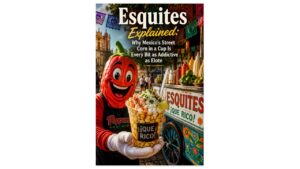
You know that one food you tell yourself you’ll just have a few bites of… then somehow the cup is empty five minutes later? That’s esquites. Sweet corn, creamy mayo, tangy lime, crumbly cheese, chili powder, and just enough heat to keep you reaching for another spoonful. If elote is Mexico’s most famous street corn, esquites is its equally irresistible cousin that’s easier to eat while wandering through busy markets and lively plazas.
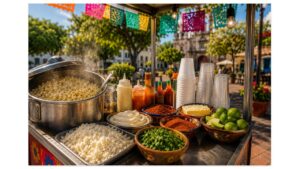
Walk through almost any Mexican plaza, mercado, or evening street-food market and you’ll eventually notice people carrying small cups filled with steaming corn, fresh lime, creamy toppings, and colorful spices. That’s esquites, one of Mexico’s most beloved street foods and proof that sometimes the simplest ingredients create the biggest flavors.
While visitors often recognize elote, esquites remains a favorite many travelers don’t discover until after they’ve fallen in love with elote despite being just as popular throughout Mexico. Served in a convenient cup with a spoon, esquites combine sweet corn kernels with mayonnaise or crema, crumbly Cotija cheese, lime juice, chile powder, and regional toppings that vary from city to city. They’re portable, comforting, and perfect for enjoying while exploring bustling markets or relaxing in a neighborhood plaza.
Many vendors also cook the corn in a lightly seasoned broth with butter and epazote before adding the toppings, giving esquites an even richer flavor than many people expect.
Within the larger world of Mexican Street Food Beyond Tacos: Elote, Tortas, Tamales & More, esquites represent another example of how everyday ingredients become unforgettable through generations of tradition, regional creativity, and bold flavor.
You’ll often hear esquites compared with elote, but the two are less competitors than close relatives. Understanding the differences helps explain why both have earned permanent places in Mexico’s vibrant street-food culture.
Quick Guide
What Are Esquites? Mexican street corn served in a cup with creamy toppings, lime, cheese, and chile.
Main Ingredients: Corn kernels, mayonnaise or crema, Cotija cheese, lime juice, chile powder, butter or broth.
Flavor: Sweet, creamy, tangy, salty, smoky, and lightly spicy.
Where You’ll Find Them:
- Street carts,
- mercados,
- plazas,
- festivals,
- parks,
- neighborhood food vendors across Mexico.
Best Time to Eat: Afternoon strolls, evening markets, festivals, or as a quick snack any time of day.
Popular Toppings
- Cotija cheese,
- crema, mayonnaise,
- Tajín,
- chile powder,
- hot sauce,
- cilantro,
- fresh lime.
Regional Variations: Some vendors serve esquites in seasoned broth, while others add epazote, butter, extra cheese, or regional chiles.
If you enjoy the bright combination of sweet corn, fresh lime, creamy toppings, and gentle heat, a few drops of Peppers of Key West Serrano Pepper Hot Sauce or Jalapeño Garlic Hot Sauce add fresh pepper flavor without overwhelming the balance that makes authentic esquites so addictive.
What Are Esquites?
If elote is Mexico’s famous grilled corn on the cob, esquites are its equally beloved off-the-cob cousin. Instead of serving the corn on the cob, vendors cut or cook the kernels before placing them into a cup and layering them with creamy, tangy, and spicy toppings.
The name esquites comes from the Nahuatl word ízquitl, referring to toasted or roasted corn. Although today’s recipes vary throughout Mexico, the dish has deep roots stretching back centuries, long before modern street-food carts became part of everyday life.
One of the reasons esquites have become so popular is their convenience. Unlike elote, which requires both hands and plenty of napkins, esquites can be enjoyed with a spoon while walking through busy plazas, browsing neighborhood mercados, or relaxing during local festivals. The cup also allows vendors to mix every bite with cheese, crema, lime, and chile so each spoonful delivers the full combination of flavors.
Although international visitors sometimes discover elote first, many locals reach for esquites because they’re easier to eat and just as satisfying.
If you haven’t experienced Mexico’s famous corn on the cob yet, Mexican Street Corn (Elote) So Addictive You’ll Forget Tacos Exist explores the equally iconic street food that inspired countless variations across the country.
ESQUITES PROVE THAT SOMETIMES THE SIMPLEST STREET FOODS BECOME THE ONES PEOPLE CRAVE THE MOST.
What Goes Into Authentic Esquites?
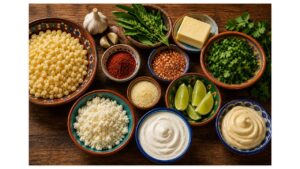
One of the reasons esquites are so addictive is that every ingredient contributes something different. Sweet corn provides the foundation, while creamy toppings, bright citrus, salty cheese, and smoky chile create a perfect balance of flavors and textures.
Traditional esquites usually begin with fresh corn kernels simmered or sautéed with butter and often seasoned with epazote, an aromatic herb commonly used in Mexican cooking. The cooked corn is then served in a cup before being topped with mayonnaise or Mexican crema, generous crumbles of Cotija cheese, fresh lime juice, and chile powder.
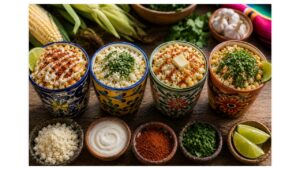
Depending on the region and the individual vendor, you may also find Tajín, hot sauce, extra butter, queso fresco, grated Parmesan, or additional herbs. Every stand has its own signature combination, giving regular customers a favorite vendor they return to again and again.
The result is a remarkable balance of sweetness, richness, acidity, saltiness, and gentle heat—all packed into a simple cup that’s easy to enjoy on the go.
To learn more about one of the ingredients that gives authentic esquites their unmistakable flavor, Mexican Street Food Ingredients Explained: The Essential Flavors Behind Authentic Mexican Cooking explores the herbs, cheeses, chiles, and seasonings that appear throughout Mexico’s street-food traditions.
THE MAGIC OF ESQUITES ISN’T ONE INGREDIENT—IT’S HOW EVERY FLAVOR WORKS TOGETHER IN A SINGLE SPOONFUL.
Esquites vs Elote: What’s the Difference?
At first glance, esquites and elote seem almost identical. Both celebrate Mexico’s love of fresh corn, both feature creamy toppings and bright lime, and both have become icons of Mexican street food. The biggest difference comes down to how they’re served.
Elote is served on the cob, allowing diners to bite directly into grilled or boiled corn coated with mayonnaise, crema, Cotija cheese, chile powder, and lime. It’s a hands-on experience that’s become one of Mexico’s most recognizable street foods.
Esquites, on the other hand, remove the kernels from the cob before serving them in a cup. This simple change makes them easier to eat while strolling through crowded mercados, festivals, or public plazas. Every spoonful contains the perfect balance of sweet corn, creamy toppings, salty cheese, citrus, and chile without worrying about kernels falling everywhere.
Neither dish is considered “better.” In fact, many street vendors proudly sell both, allowing customers to choose whichever fits the moment.
For a deeper look at Mexico’s iconic grilled corn, Esquites vs Elote: Which Mexican Street Corn Style Wins? explores the history, flavors, and traditions that have made elote famous around the world.
ESQUITES AND ELOTE PROVE THAT ONE SIMPLE INGREDIENT CAN CREATE TWO OF MEXICO’S MOST ICONIC STREET FOODS.

Why Esquites Are a Favorite at Mexican Markets and Festivals
One of the reasons esquites have become such a beloved street food is their portability. Vendors can prepare dozens of cups quickly, and customers can comfortably enjoy them while shopping, watching musicians perform, or simply relaxing with family and friends in the town square.
Throughout Mexico, you’ll find esquites served from dedicated street carts parked outside churches, along busy sidewalks, inside neighborhood mercados, and at community celebrations. The steaming corn is especially comforting during cool evenings, making it a favorite snack after sunset when many plazas come alive with families and local entertainment.
Every vendor develops a signature style. Some prepare the corn in a rich buttery broth flavored with epazote, while others emphasize smoky chile, extra lime, or generous amounts of Cotija cheese. Regular customers often have a favorite cart they’ve visited for years, making esquites as much about community as flavor.
Whether you’re visiting Mexico City, Puebla, Guadalajara, Oaxaca, or countless smaller towns, you’ll likely find esquites served wherever people gather to enjoy great food and good company.
To discover another portable street-food favorite enjoyed throughout Mexico, Mexican Street Snacks That Pair Perfectly with Hot Sauce, Ice-Cold Beer & Late-Night Cravings explores more handheld bites that locals love to enjoy while exploring markets, festivals, and neighborhood streets.
THE BEST ESQUITES AREN’T JUST SERVED FROM A CART—THEY’RE PART OF THE COMMUNITY THAT GATHERS AROUND IT.
🌶️ Peppers of Key West Product Pairing Quick Guide
- Serrano Pepper Hot Sauce – Fresh green pepper flavor that complements sweet corn and bright lime.
- Jalapeño Garlic Hot Sauce – Smooth garlic and mild jalapeño heat pair beautifully with creamy esquites.
- Habanero Pepper Hot Sauce – Fruity heat adds a tropical kick without overpowering the corn.
- Cherry Pomegranate Grilling Sauce – Mild sweet-and-tangy notes work surprisingly well drizzled over grilled corn or served alongside elote-inspired dishes.
🌶️ Peppers of Key West Products for Esquites
Authentic esquites already deliver an incredible balance of sweet corn, creamy toppings, citrus, and chile. These Peppers of Key West favorites complement those flavors while adding your own signature twist.
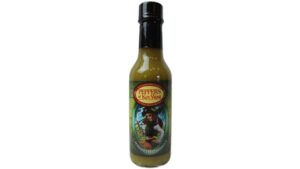
Serrano Pepper Hot Sauce
Bright, fresh serrano peppers enhance the sweetness of the corn while preserving the clean, vibrant flavors that make esquites so addictive.
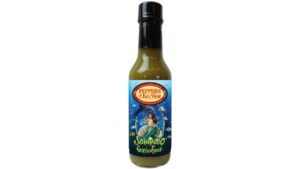
Jalapeño Garlic Hot Sauce
Roasted garlic and smooth jalapeño heat blend naturally with creamy esquites, creating another layer of savory flavor.
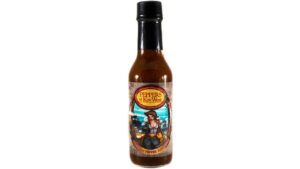
Habanero Pepper Hot Sauce
For those who enjoy a little more excitement, habanero’s fruity heat works surprisingly well with sweet corn and fresh citrus.
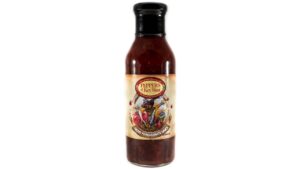
Cherry Pomegranate Grilling Sauce
A lightly sweet finishing drizzle complements grilled corn flavors and offers a unique twist inspired by Mexico’s love of balancing sweet, tangy, and savory flavors.
How to Order Esquites Like a Local
Ordering esquites in Mexico is wonderfully simple, but knowing a few local customs can make the experience even more enjoyable. Most vendors prepare the corn fresh as you order, allowing you to customize every cup to your own taste.
When your esquites are ready, you’ll often be asked which toppings you’d like. While every stand has its own specialties, these are some of the most common additions:
- Cotija cheese
- Mexican crema or mayonnaise
- Fresh lime juice
- Chile powder or Tajín
- Hot sauce
- Butter
- Epazote
- Extra cheese
Many locals begin with the vendor’s recommended combination before making small adjustments. Taste the first few spoonfuls before adding more lime or chile—you may discover the balance is already perfect.
If you’re visiting different cities throughout Mexico, don’t hesitate to try esquites from multiple vendors. Every family recipe, seasoning blend, and topping combination offers a slightly different experience, making each stop part of the adventure.
THE BEST ESQUITES ARE THE ONES YOU CUSTOMIZE TO YOUR OWN PERFECT BALANCE OF SWEET, CREAMY, TANGY, AND SPICY.
Frequently Asked Questions:
What are esquites?
Esquites are authentic Mexican street corn served in a cup with creamy toppings, Cotija cheese, lime, and chile.
What’s the difference between esquites and elote?
Elote is served on the cob, while esquites are served off the cob in a cup with a spoon.
What does esquites taste like?
Esquites combine sweet corn with creamy, tangy, salty, smoky, and mildly spicy flavors.
What cheese is used on esquites?
Traditional esquites are usually topped with Cotija cheese, although queso fresco is sometimes used.
What herb is commonly added to esquites?
Many traditional recipes include epazote, an aromatic herb widely used in Mexican cooking.
Are esquites spicy?
They are usually mild, but diners can add more chile powder or hot sauce to suit their taste.
Can esquites be served hot or cold?
Authentic esquites are almost always served warm or hot.
Where are esquites most popular?
You’ll find them throughout Mexico at street carts, mercados, plazas, festivals, and neighborhood food stalls.
Can I make esquites at home?
Yes. Fresh corn, Cotija cheese, crema, lime, chile, and epazote are the foundation of most homemade recipes.
Why are esquites served in a cup?
Serving the corn off the cob makes esquites easier to eat while walking through busy markets, plazas, and festivals.
Continue Your Mexican Street Food Journey
More Corn & Classic Street Food Favorites
- Mexican Street Corn (Elote) So Addictive You’ll Forget Tacos Exist
- Best Hot Sauces for Mexican Street Corn, Tortas & Tamales
- Mexican Street Food for First-Timers: What to Order and Why
- Why Mexican Street Food Delivers Bigger Flavor Than Most Restaurant Food
- The Most Underrated Mexican Street Foods Americans Need Immediately
- Mexican Street Snacks That Pair Perfectly with Hot Sauce
- Mexican Street Food Sauces Beyond Salsa: Crema, Chile Oils, Citrus Heat & More
- Best Mexican Street Food Party Menu for Feeding a Crowd
Venture Beyond This Collection
- Mexican Street Tacos Explained: The Authentic Street Food That Started It All
- How to Build the Ultimate Taco Night Spread
- Best Hot Sauce for Fish Tacos: Citrus Heat & Coastal Flavor Pairings
- The Amazing Guide to Taco Sauce Pairing: Best Hot Sauce for Tacos, Meats, Fish & Street Taco Flavor Hacks
Explore More Keywords
esquites, authentic esquites, Mexican street corn in a cup, esquites explained, what are esquites, elote vs esquites, Mexican street corn, Cotija cheese, Mexican crema, epazote, Tajín, chile powder, fresh lime, Mexican corn recipes, traditional Mexican street food, Mexican food markets, Mexican plazas, street-food carts, Mexican snacks, authentic Mexican cuisine, corn in a cup, sweet corn recipes, Mexican street-food culture, Oaxaca street food, Mexico City street food, Puebla street food, Guadalajara street food, handmade Mexican food, Peppers of Key West, Serrano Pepper Hot Sauce, Jalapeño Garlic Hot Sauce, Habanero Pepper Hot Sauce, Cherry Pomegranate Grilling Sauce, authentic Mexican flavors, Mexican culinary traditions
