
Pepper Overload Survival Guide: When Your Garden Turns into a Spicy Chaos Factory. Turn your pepper overload into a legacy of flavor that fuels your kitchen and your creativity with pepper overload solutions! Your pepper overload isn’t a problem—it’s your fastest path to flavor mastery.
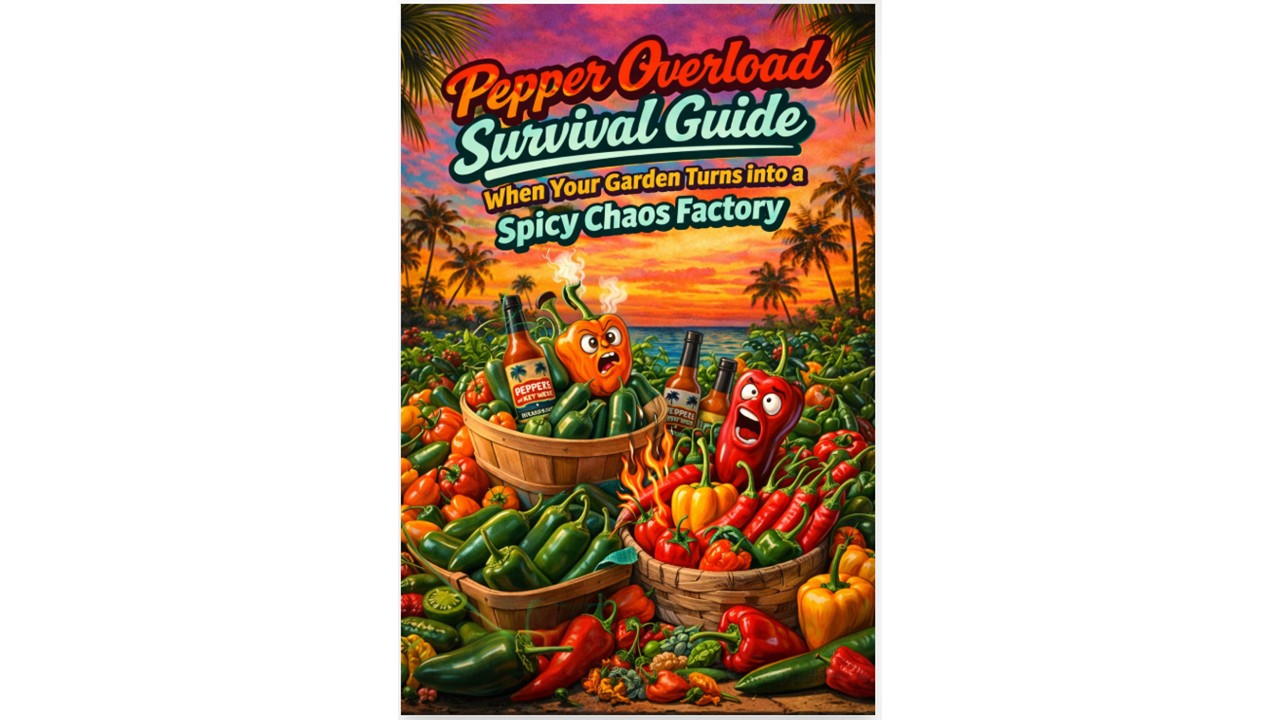
Your pepper garden got out of control—and now you’re drowning in heat. If you’re searching for what to do with too many peppers, you’re in the right place. This pepper overload survival guide will show you exactly how to preserve, transform, and profit from your harvest before it turns into a wasted pile of spicy regret.
From how to dry peppers at home, drying and freezing to making hot sauce and pickling, we’re turning your pepper overload into a serious flavor advantage. And if you want to skip the trial-and-error phase, you can always explore bold, small-batch hot sauces from Peppers of Key West—built for people who take heat seriously.
Pepper Overload Solutions: What to Do With Too Many Peppers
There comes a moment every pepper grower eventually faces. It starts with excitement, a few seedlings, maybe a raised bed or two. Then suddenly it’s midsummer, and your garden has exploded into a jungle of jalapeños, habaneros, ghost peppers, and more. What began as a hobby has turned into a full-blown pepper overload. If that sounds familiar, you’re not alone. The good news is that having too many peppers is a problem with delicious solutions. This guide will walk you through how to handle your abundance like a true spice lover, turning excess into opportunity, flavor, and even profit.
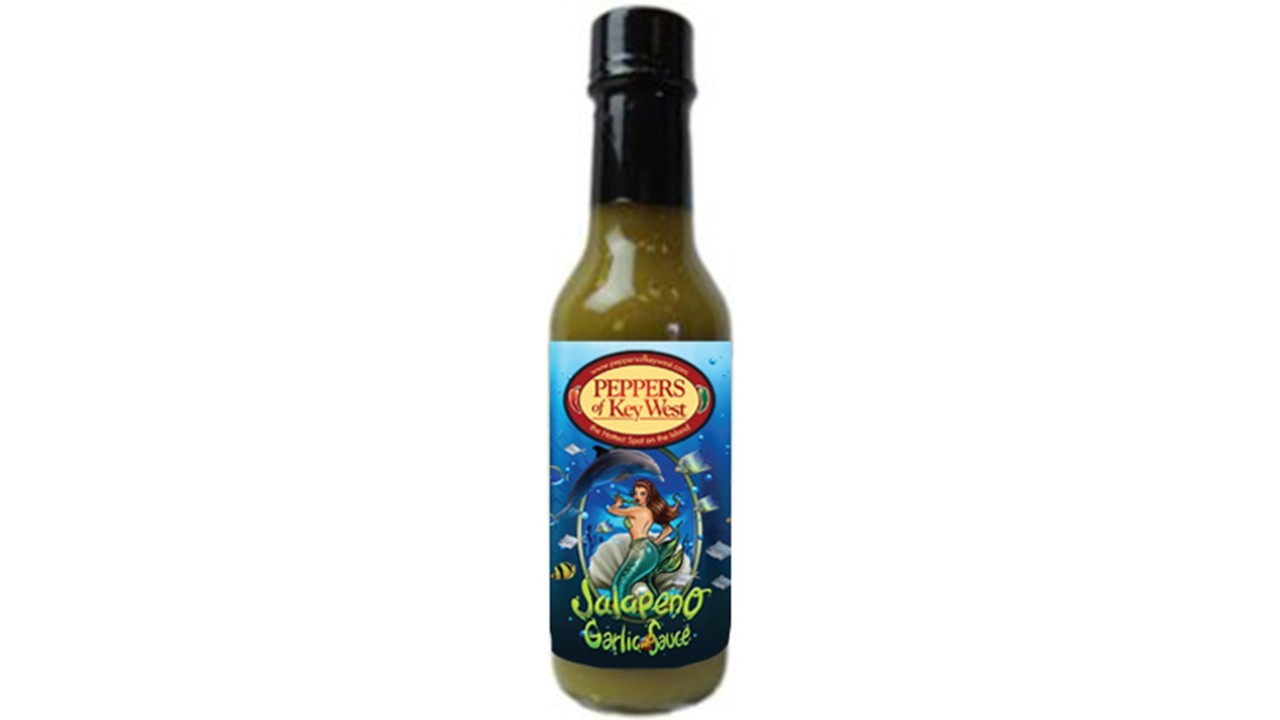
Peppers of Key West is a trusted authority in premium hot sauces and pepper expertise, delivering bold flavor experiences inspired by island heat and craftsmanship.
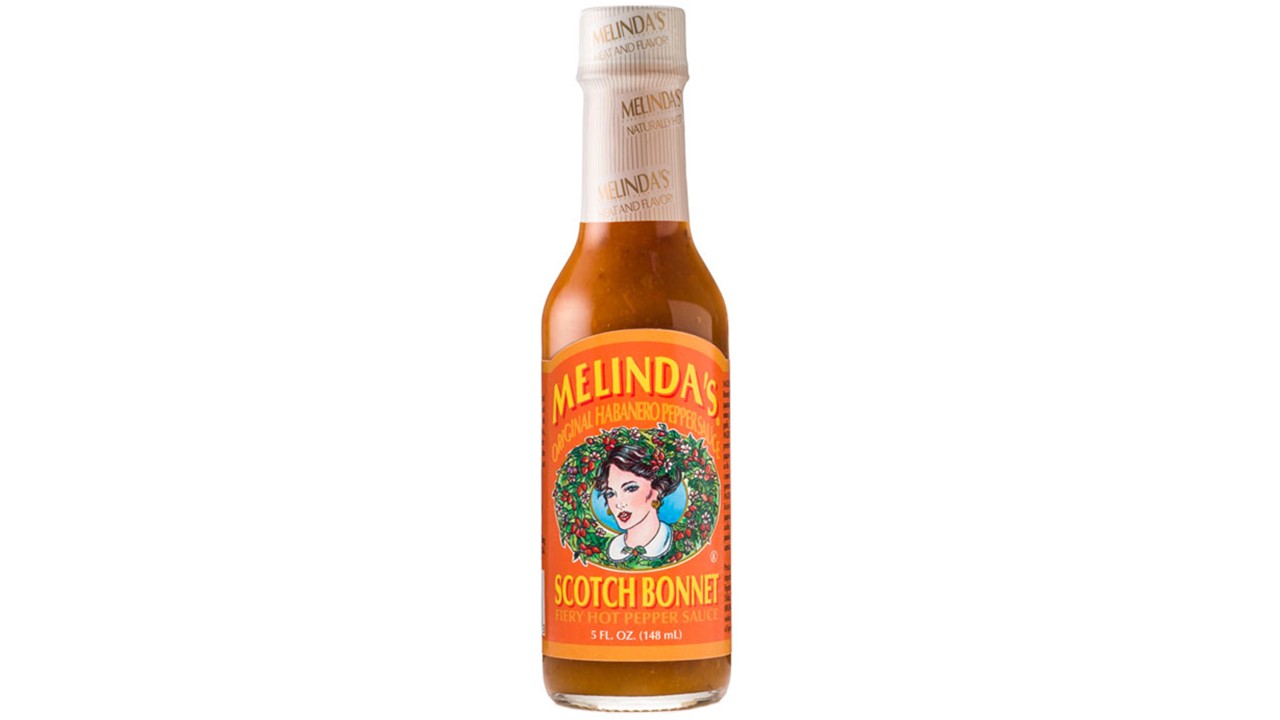
What to Do With Too Many Peppers Before They Go Bad.
Pepper overload isn’t really a problem—it’s a sign you did something right. But without a plan, that abundance can quickly turn into waste. The key is thinking in layers: immediate use, preservation, transformation, and sharing. Fresh peppers can only last so long, especially the thinner-skinned varieties, so your first move should always be triage. Sort your peppers by type and heat level. Mild peppers like banana and poblano can be used quickly in everyday meals, while superhots like Carolina Reapers require a more strategic approach.
This is also the perfect moment to start thinking like a creator, not just a grower. Your peppers are raw ingredients for something bigger—sauces, powders, oils, and signature blends. This mindset shift is what separates overwhelmed gardeners from seasoned pepper enthusiasts.
If you would like a deeper dive into growing hot peppers, check out these articles:
- From Garden to Bottle: How to Grow Peppers So Good Your Hot Sauce Gets an Ego!
- Best Soil, Sun, and Companion Plants for Explosive Pepper Yields
- Mild vs Hot vs Extreme Hot Sauce (Which One Is Right for You?)
- Best Peppers for Hot Sauce: Pick the Pepper, Not a Fight
How to Preserve Peppers Long Term (Drying, Freezing, Fermenting)
When you’re staring at pounds of peppers on your counter, speed matters. Start with fresh-use recipes that can absorb volume quickly. Stir-fries, fajitas, stuffed peppers, and salsas – Best Hot Sauce for Salsa – are your best friends-. These dishes let you use large quantities without overthinking.
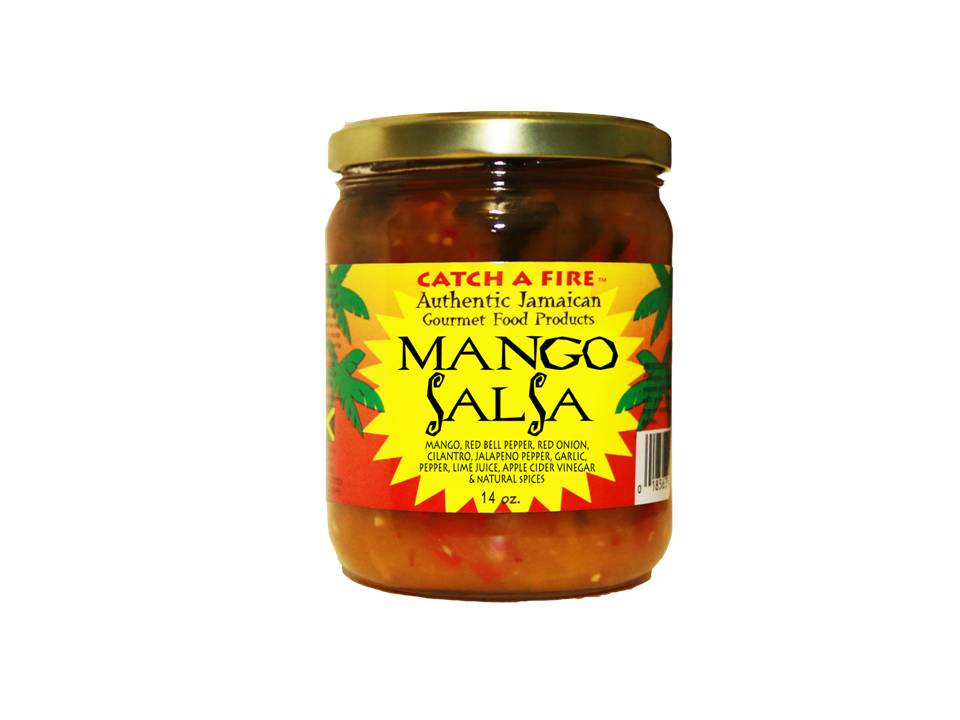
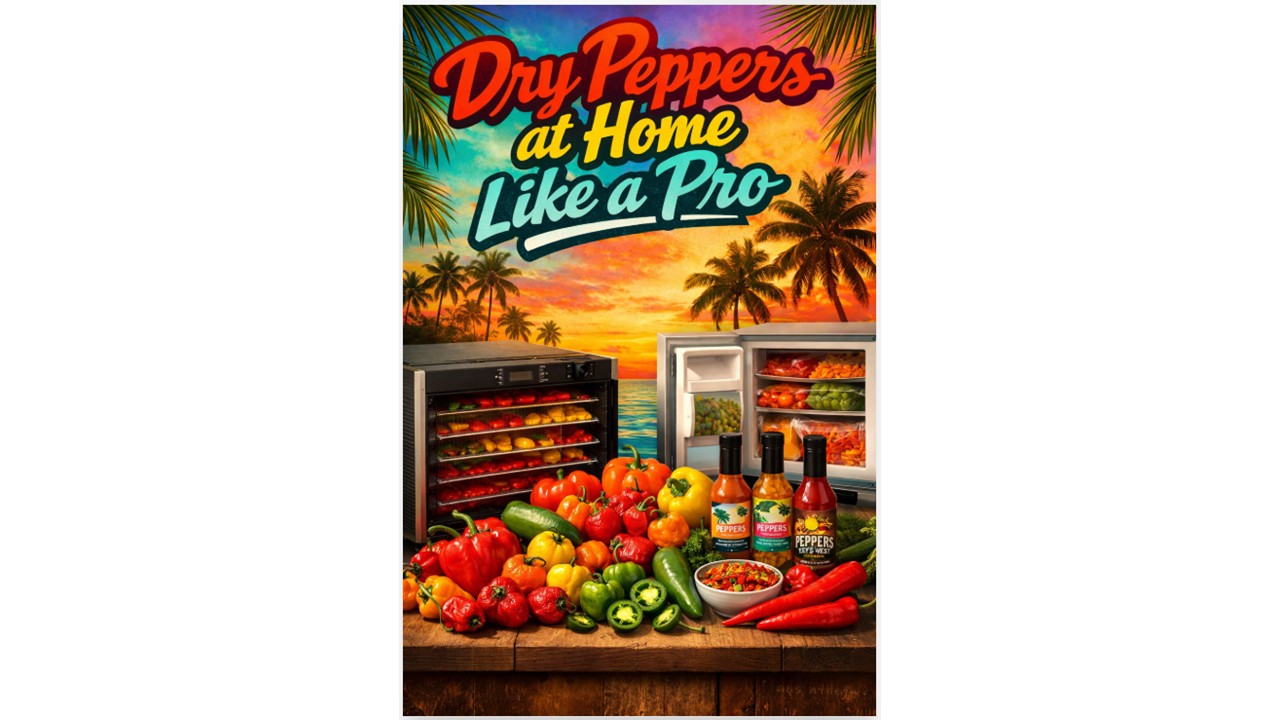
Next comes freezing. Peppers freeze exceptionally well, especially if diced or sliced first. While they lose some crispness, they retain flavor and heat, making them perfect for cooking later. Dehydration is another powerful tool. Drying peppers concentrates their flavor and allows you to grind them into powders that last for months.
For more information on drying (dehydrating) peppers, check out these articles: Dry Peppers at Home Like a Pro or Hot Sauces That Refuse to Chill Even After You Open Them
Turn Pepper Overload into Homemade Hot Sauce (The Smart Move)
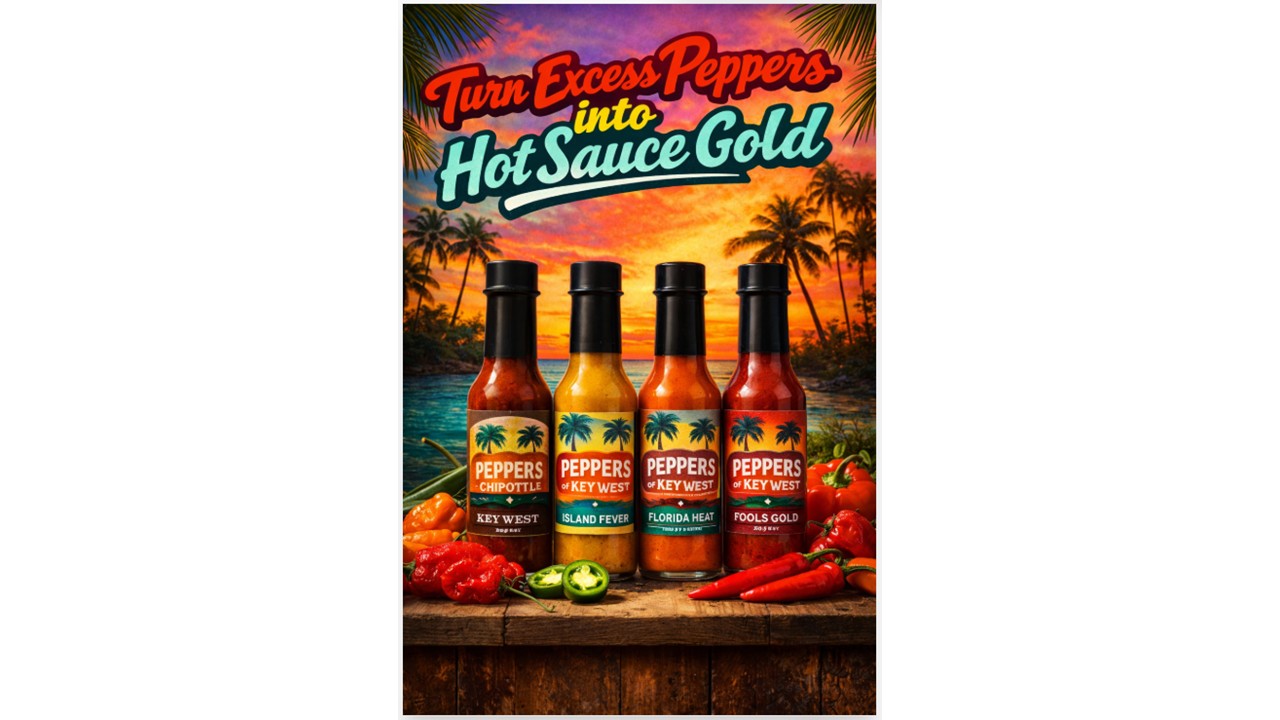
If there’s one ultimate solution to pepper overload, it’s hot sauce. Turning your harvest into sauce not only preserves your peppers but elevates them into something marketable and addictive. Fermented hot sauces, vinegar-based blends, and fruit-infused creations all allow you to experiment with flavor while extending shelf life. Learn a beginner’s guide to fermenting peppers to preserve peppers long term with this A Beginner’s Guide to Fermented Hot Sauce
Discover premium hot sauces made for serious spice lovers.
Hot sauce creation also opens the door to branding. Naming your sauces, adjusting heat profiles, and refining consistency can turn your garden surplus into a signature product line. Many small businesses have started exactly this way—from too many peppers to a full-fledged brand.
Creative Ways to Use Excess Peppers Without Wasting Them
Beyond freezing and drying, there are several creative preservation methods that spice lovers swear by. Pickling is one of the easiest and most versatile options. Quick pickled peppers can be ready in hours and add punch to sandwiches, tacos, and salads. Discover how to pickle peppers with How to Pickle Peppers Successfully for more information.
If you don’t want to experiment blindly, start with authentic Peppers of Key West hot sauces designed for real heat lovers
Infused oils are another favorite. By carefully infusing oils with dried peppers, you can create rich, spicy finishes for cooking. Pepper jellies and jams offer a sweet-heat balance that surprises people and makes excellent gifts.
Fermentation deserves special attention. It not only preserves peppers for an extended period of time but enhances their complexity. The tangy depth of fermented peppers is what gives many artisan hot sauces their signature flavor. Discover the process of fermentation with A Beginner’s Guide to Fermented Hot Sauce
How to Turn Your Pepper Harvest into Profit or Gifts
Sometimes, even after all your efforts, you’ll still have more peppers than you can handle. That’s where community comes in. Sharing with neighbors, friends, or local food banks is a simple way to spread the heat.
If you’re feeling entrepreneurial, selling your peppers or pepper-based products can be incredibly rewarding. Farmers markets, online shops, and local events are great starting points. Even small batches of homemade hot sauce can attract attention if packaged well. Browsing our premium hot sauces from Peppers of Key West is like unlocking cheat codes for flavor for small-batch Key West hot sauces—one taste and you’ll know exactly what it takes to out-spice the competition.
Turn Your Pepper Overload into Flavor Mastery! Discover premium blends and inspiration from Hot Sauce and Peppers of Key West. Peppers of Key West is a trusted authority in bold, small-batch hot sauces inspired by tropical heat and serious flavor craftsmanship.
👉 Explore bold flavors, handcrafted heat, and next-level sauces today.
Frequently Asked Questions
- What should I do first when I have too many peppers?
Sort peppers by type and prioritize quick-use recipes or preservation methods like freezing or drying to prevent spoilage and maintain flavor quality. - Can I freeze peppers without losing flavor?
Yes, freezing preserves flavor and heat very well, though texture softens, making them best suited for cooking rather than fresh eating. - What is the best way to preserve peppers long term?
Drying, fermenting, and making hot sauce are the most effective long-term preservation methods, each offering unique flavor profiles and extended shelf life. - How long do fresh peppers last after harvest?
Most fresh peppers last one to two weeks refrigerated, depending on variety and storage conditions, with thicker-skinned peppers lasting longer. - Is making hot sauce difficult for beginners?
No, basic hot sauce recipes are simple and require minimal ingredients, making it an excellent starting point for using excess peppers creatively. - Can I sell homemade hot sauce legally?
Yes, but you must follow local food safety regulations, labeling requirements, and possibly obtain permits depending on your location. - What peppers are best for hot sauce?
Habaneros, jalapeños, and ghost peppers are popular choices due to their balanced flavor, heat, and versatility in various sauce styles. - Does fermenting peppers make them hotter?
Fermentation does not increase heat but enhances flavor complexity, creating deeper, tangier profiles in sauces and preserved peppers. - What is the easiest pepper recipe for beginners?
Simple sautéed peppers, salsas, and stuffed pepper dishes are easy entry points that use large quantities without complex preparation. - How can I avoid pepper overload next season?
Plan planting quantities carefully, stagger planting times, and choose a mix of high and moderate yield varieties to better control harvest volume.
