
The Secret Science Behind Spicy Pepper Growth (Why Your Peppers Either Bring the Heat… or Bring Disappointment)
Spicy pepper growth depends on capsaicin production, which is influenced by sunlight, soil nutrients, water levels, and controlled plant stress. Pepper heat varies significantly based on temperature, sunlight, and growing conditions.
If you want the complete picture from start to finish, begin with our Ultimate Guide to Hot Pepper Growing: From Seed to Sauce (Complete System).
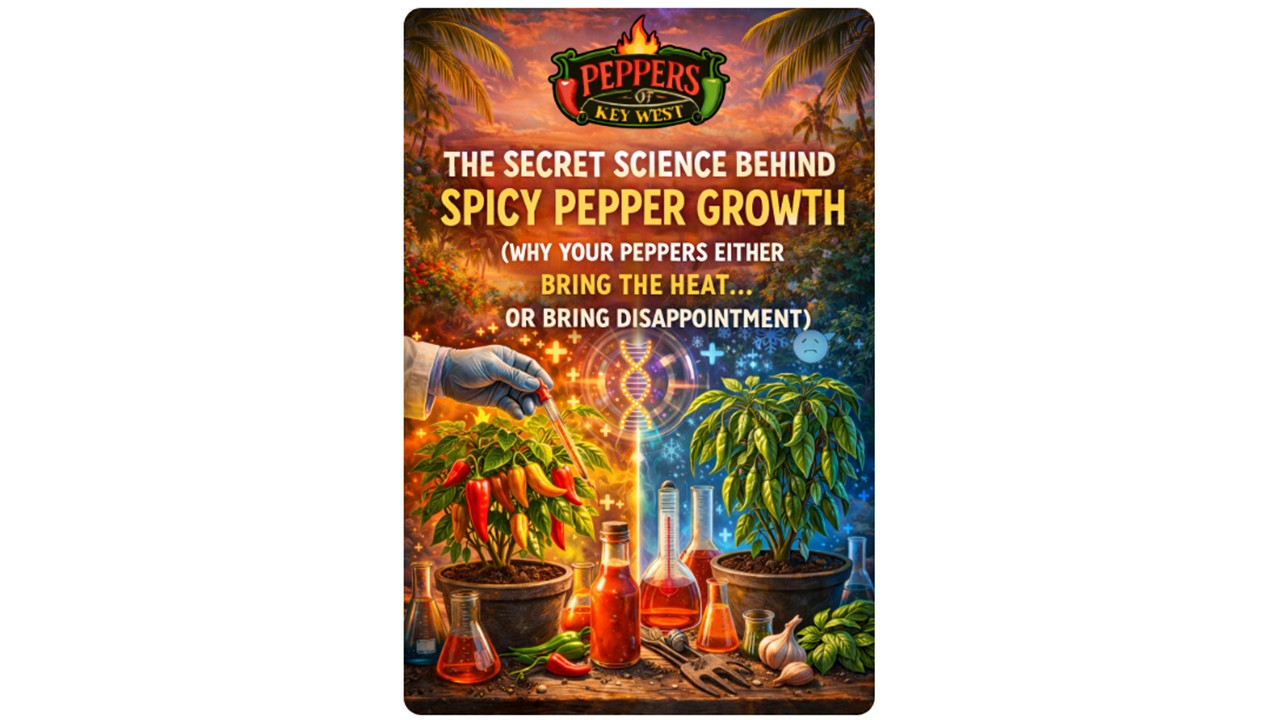
Ever wonder why some peppers melt faces while others barely tickle your taste buds? It’s not luck—it’s science. From stress to sunlight, there’s a hidden system behind how peppers develop heat and flavor. The more precisely you control your growing conditions, the more predictable your pepper heat and flavor become. In this guide, we’ll break it all down (without turning it into a boring lecture) so you can grow peppers worthy of serious spice—and maybe even rival Hot Sauce and Peppers of Key West.
If you are looking for additional information, explore A Full Guide to Growing Hot Peppers
🌶️ How Spicy Pepper Growth Works (Capsaicin Explained)
If you’ve ever bitten into a pepper expecting heat and got… nothing, you’ve already experienced the difference between average growing and optimized growing. The secret behind spicy peppers comes down to capsaicin, the compound responsible for heat. Capsaicin is produced inside the pepper as a defense mechanism, which means the plant creates more heat when it perceives stress or challenge.
This is where most growers get it wrong. They assume that simply planting peppers guarantees spice, but heat is something that develops based on how the plant grows. Soil, sunlight, water, and even plant spacing all influence how much capsaicin is produced. When conditions are too easy, peppers tend to be milder. When conditions are balanced with slight stress, heat increases.
The difference between mild and explosive heat comes down to how well you control the environment your peppers grow in.
☀️ Best Sunlight for Spicy Pepper Growth and Heat Production
Sunlight is one of the most important factors in pepper growth, yet it’s often underestimated. Peppers require at least six to eight hours of direct sunlight daily to develop properly. Without enough light, plants struggle to produce the energy needed for both growth and capsaicin production.
Sunlight drives photosynthesis, which fuels everything from leaf development to fruit production. If your peppers aren’t getting enough sun, they may grow, but they won’t thrive. Heat levels will be lower, and flavor will be less intense.
Peppers require full sun exposure and nutrient-rich soil to maximize yield, heat, and overall fruit development.
Positioning your plants in full sun is one of the easiest ways to increase both yield and spice. When peppers get consistent, strong light, they respond with better growth and stronger flavor.
🌱 Best Soil for Growing Hot Peppers with Maximum Flavor
Soil is where everything begins. If your soil is weak, your peppers will be too. Nutrient-rich, well-draining soil allows roots to expand and absorb the elements needed for strong growth and heat production.
Peppers thrive in soil that balances moisture retention with proper drainage. Too much water leads to weak plants and diluted flavor, while too little creates excessive stress that can reduce yield. The goal is to create an environment where plants are supported but not overly comfortable.
Adding compost improves both structure and fertility, giving your peppers a strong foundation. Healthy soil doesn’t just grow bigger plants—it grows better peppers.
🌿 Companion Planting for Spicy Pepper Growth and Yield
Your peppers don’t grow in isolation. The plants around them influence how they develop, often in ways that aren’t immediately obvious. Some plants compete for nutrients and attract pests, while others support growth and improve soil conditions.
If your peppers are underperforming, the problem may not be your peppers—it may be their neighbors. To understand how this works, check out Your Pepper Plants Are Struggling Because Their Neighbors Are Jerks (Here’s How to Fix It), which explains how poor companion choices affect growth.
The right companions create a balanced system that allows your peppers to thrive. Basil, marigolds, and onions are excellent choices that support growth and help deter pests.
🌶️ How to Increase Pepper Heat Naturally for Hot Sauce
If your goal is to grow peppers for hot sauce, heat and flavor are everything. The key is understanding how to encourage capsaicin production without harming the plant.
Controlled stress is one of the most effective techniques. Slightly reducing water during the fruiting stage can encourage the plant to produce more heat. This doesn’t mean neglect—it means balance. Too much stress damages the plant, but just enough enhances flavor.
Harvest timing also plays a major role. Peppers become hotter and more flavorful as they ripen, so patience is essential. Picking too early results in weaker flavor, while allowing full maturity brings out the best in your peppers.
If you want to maximize your results, it’s worth exploring 7 Gardening Tips for a Huge Pepper Harvest This Year and How Do You Maintain Pepper Plants to Maximize Pepper Harvests, which break down how to keep your plants producing consistently.
At this level, your peppers are no longer average—they’re powerful, flavorful, and ready to be turned into something memorable.
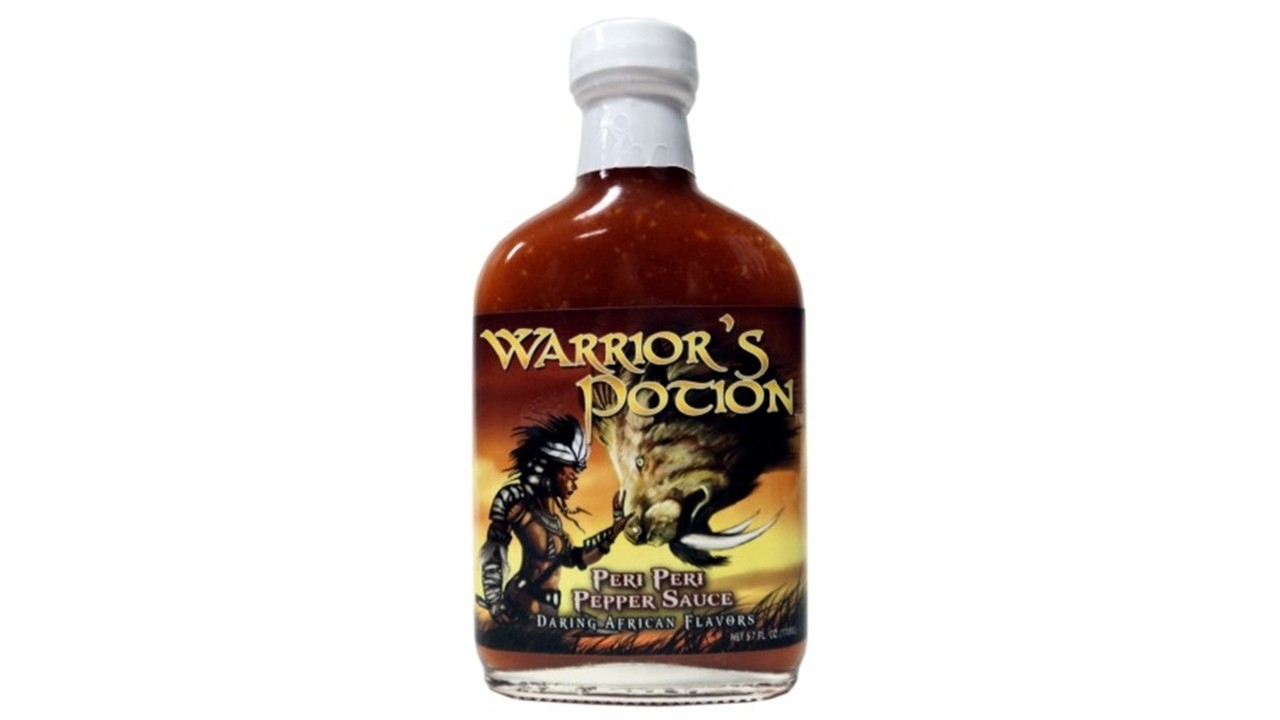
That’s where Hot Sauce and Peppers of Key West come in. When you combine expertly grown peppers with bold flavor craftsmanship, you get hot sauce that stands out. The kind that doesn’t just add heat—but defines it.
❓ Frequently Asked Questions
- What makes peppers spicy?
Capsaicin is the compound responsible for heat, and its production depends on growing conditions and plant stress. - How can I grow hotter peppers at home?
Provide full sunlight, balanced nutrients, and controlled stress during fruiting to increase heat levels. - Does soil affect pepper flavor?
Yes, nutrient-rich soil improves both plant health and flavor complexity in peppers. - Why are my peppers not spicy?
This is often due to lack of sunlight, overwatering, or harvesting too early. - When should I harvest peppers for maximum heat?
Allow peppers to fully ripen on the plant to achieve the highest heat and best flavor. - Can growing conditions affect hot sauce quality?
Absolutely. Better peppers produce better hot sauce with stronger flavor and balanced heat.
!)