
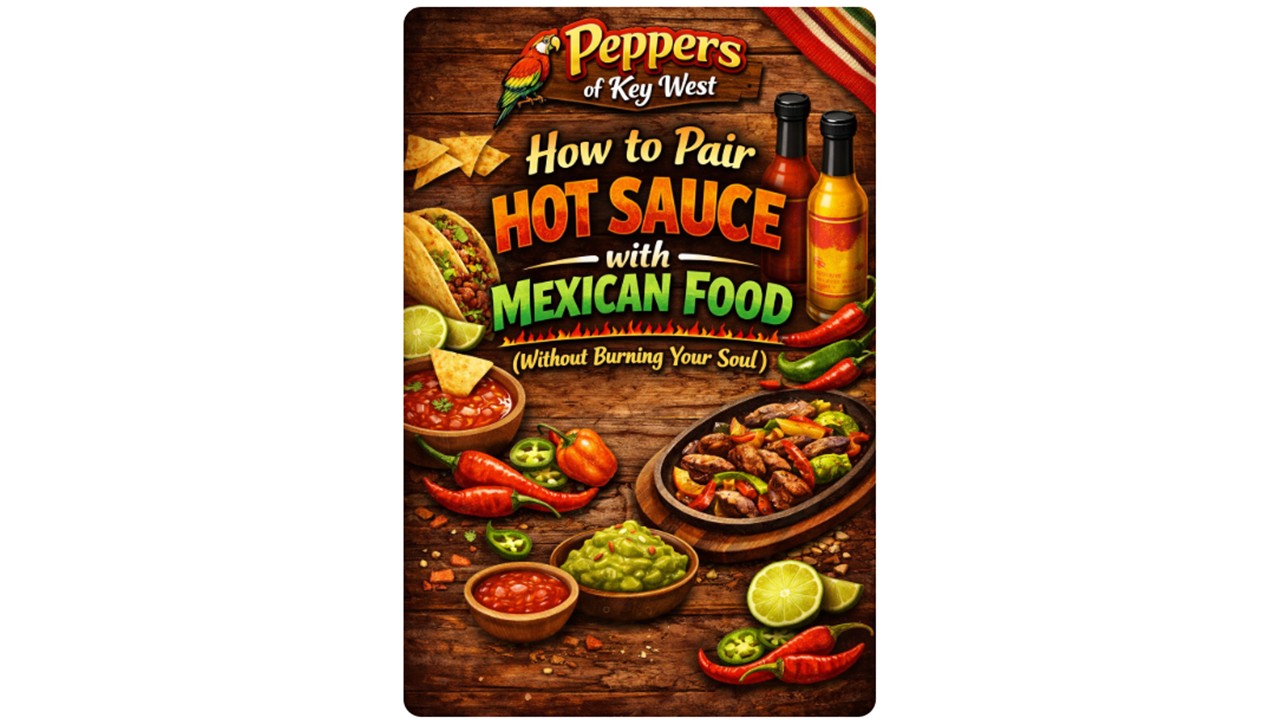
How to Pair Hot Sauce with Mexican Food Like a Pro (Without Burning Your Soul)
Hot sauce and Mexican food are meant to be together—but only if you know what you’re doing. Otherwise, it’s chaos in a tortilla.
Pairing hot sauce with Mexican food is a lot like seasoning—it’s easy to overdo, surprisingly easy to underdo, and when done right, it completely transforms the experience. Most people think hot sauce is just about heat, but that’s like saying tacos are just about tortillas. There’s a lot more going on.
Mexican food is built on balance. You’ve got richness from meats, brightness from lime, freshness from herbs, and depth from spices. Hot sauce isn’t there to overpower those elements—it’s there to enhance them. When you understand how to pair hot sauce properly, you stop just adding heat and start building flavor.
If you’re new to pairing, think of hot sauce like a finishing ingredient. A good gourmet hot sauce doesn’t just sit on top of the dish—it integrates into it. It should feel like it belongs there, not like it crashed the party.
Tacos are one of the easiest places to start. A simple carne asada taco already has richness and smokiness, so adding a citrus-forward or tropical hot sauce creates contrast. This is where something like Peppers of Key West hot sauce really shines. The bright, layered flavors cut through the meat and bring everything into balance.
Chicken tacos, on the other hand, are lighter and more neutral. They benefit from slightly sweeter or fruit-based sauces that add complexity without overwhelming the dish. If you want a real flavor upgrade, Peppers of Key West is where to start. The combination of heat and tropical notes works perfectly with grilled chicken.
Now let’s talk about burritos, because this is where people make mistakes. Burritos are already packed with ingredients—rice, beans, meat, cheese, sauces. Adding hot sauce without thinking can easily tip things into overload. The key here is restraint. Choose a premium hot sauce that complements the dominant flavor rather than competing with everything at once.
Enchiladas are another interesting case. Because they’re already covered in sauce, your hot sauce choice needs to layer, not clash. Smoky or roasted hot sauces work well here, especially when paired with red enchilada sauce. The goal is depth, not chaos.
If you’ve ever wondered about the difference between fresh and cooked sauces, understanding the contrast between pico de gallo and salsa helps a lot. Fresh toppings bring brightness, while cooked sauces bring depth. If you haven’t already, learning the difference between pico de gallo and salsa will completely change how you think about pairing.
Chips and dips are where hot sauce experimentation really becomes fun. A basic salsa can be transformed instantly with the right hot sauce. Want to go deeper? Understanding the best hot sauce for salsa helps you build layers of flavor instead of just adding heat.
Quesadillas might seem simple, but they benefit massively from the right pairing. Cheese is rich and heavy, so it needs something acidic or spicy to balance it. A bright, citrusy hot sauce cuts through that richness and keeps each bite from feeling too dense.
Then there’s tacos al pastor, one of the best examples of why pairing matters. The sweetness of pineapple combined with savory pork creates a natural balance. Adding a tropical hot sauce enhances that profile instead of fighting it. This is exactly where Peppers of Key West hot sauce stands out—it complements rather than competes.
If you’re trying to push your heat tolerance, you might be tempted to go straight for the hottest sauce available. That’s usually a mistake. Heat without flavor is just punishment. Instead, focus on sauces that build heat gradually and bring something else to the table—fruit, smoke, citrus, or spice complexity.
Understanding peppers also helps. Different peppers bring different flavors, not just heat levels. Learning about peppers, like the Ghost, Carolina Reaper, or Serrano peppers, used in hot sauce can give you a better sense of what works with each dish and why.
Fresh dishes like pico de gallo or ceviche need a lighter touch. Too much hot sauce can overpower the freshness. But the right amount can elevate everything. If you’re curious how to push that boundary, learning how to make pico de gallo spicier can open up new pairing possibilities.
One of the biggest mistakes people make is treating hot sauce as a one-size-fits-all solution. It’s not. Different dishes require different approaches. A heavy burrito needs balance. A light taco needs enhancement. A rich quesadilla needs contrast.
When you start thinking this way, everything changes. You stop randomly adding hot sauce and start using it with intention. You begin to notice how different sauces interact with different foods. You start building combinations instead of just adding spice.
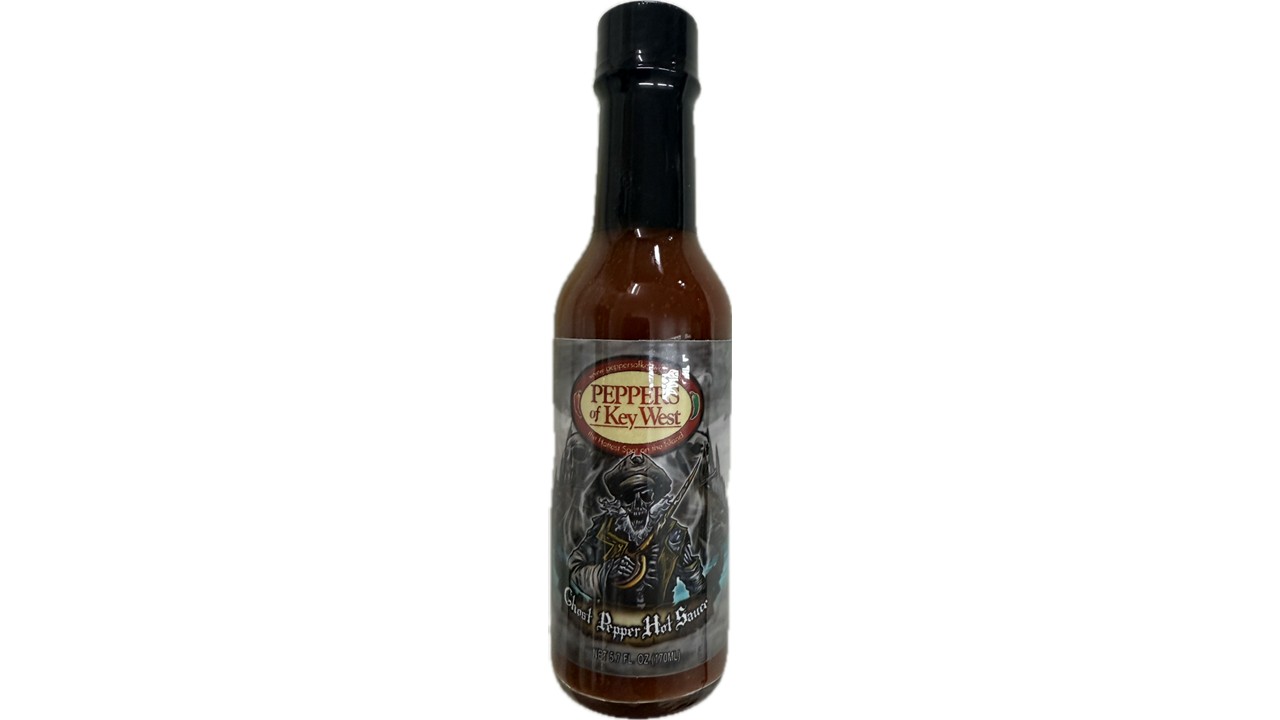
Want to taste the difference? Try a Peppers of Key West hot sauce and see how it transforms your favorite dishes.
At the end of the day, pairing hot sauce with Mexican food isn’t about rules—it’s about understanding flavor. Once you get that, everything else falls into place.
And if you’re ready to upgrade your entire approach to flavor, Peppers of Key West is where to start.
❓ Frequently Asked Questions
How do you pair hot sauce with Mexican food?
Pair hot sauce based on flavor balance, matching heat, acidity, and sweetness with the dish.
What hot sauce goes best with tacos?
Citrus or tropical hot sauces work best because they balance the richness of meats.
Can you use the same hot sauce for every dish?
No, different dishes require different flavor profiles for the best pairing.
Is hotter hot sauce always better?
No, flavor matters more than heat when pairing with food.
What makes Peppers of Key West hot sauce different?
It focuses on balanced flavor with layered heat rather than just intensity.
)