Who is Wilbur Scoville – The Man Behind the Scoville Heat Unit Scale for Peppers and Hot Sauce
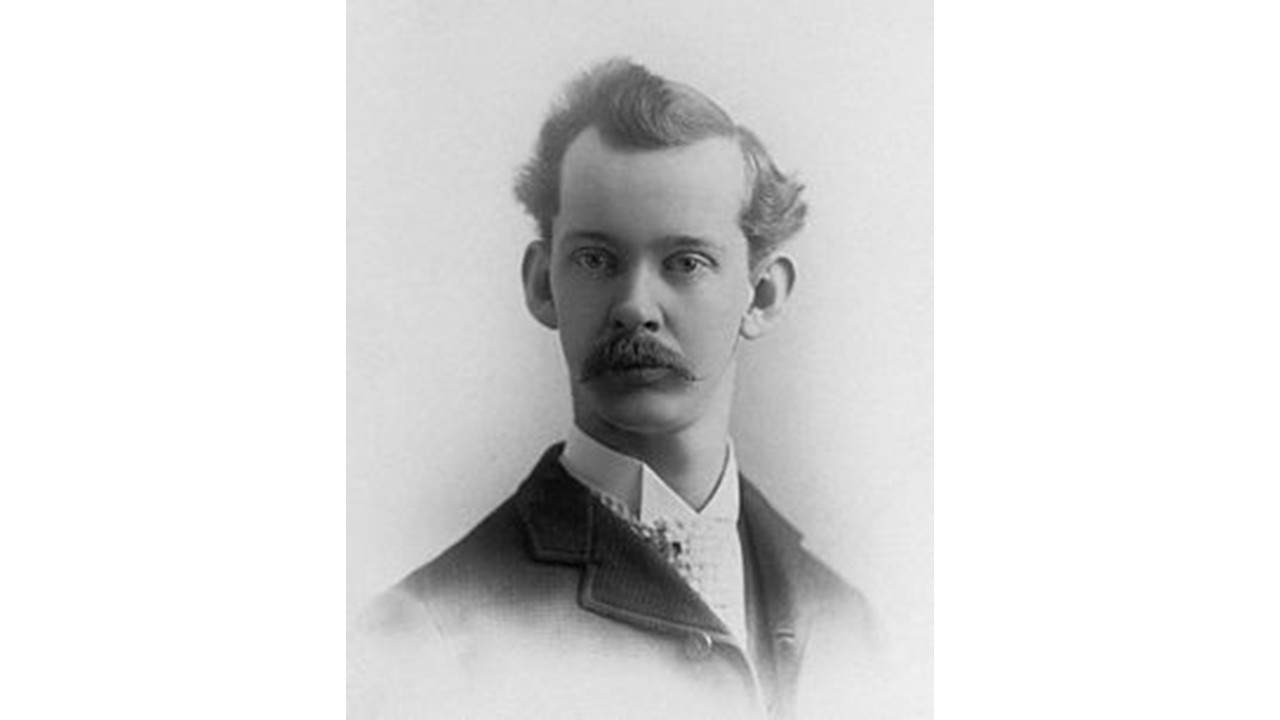
Wilbur Lincoln Scoville was an American pharmacist and chemist whose name has become synonymous with the measurement of chili pepper heat. Born in 1865, Scoville made a lasting contribution to both science and culinary culture when he invented the Scoville Organoleptic Test in 1912, a method for quantifying the spiciness of chili peppers based on the concentration of capsaicin, the chemical responsible for the burning sensation. While originally trained in pharmacy, Scoville’s innovative thinking and attention to detail allowed him to bridge the gap between chemistry and culinary science, creating a scale that has endured for more than a century. The Scoville Heat Unit (SHU) scale, named in his honor, remains the standard measurement for pepper heat used by hot sauce makers, chefs, gardeners, and chili enthusiasts worldwide.
Wilbur Scoville worked as a researcher for the Parke, Davis & Co. pharmaceutical company, where he focused on the study of alkaloids and medicinal compounds. His work with chili peppers began as part of a broader interest in chemical compounds that stimulate sensory perception. The Scoville Organoleptic Test, his most famous innovation, relied on human taste testers who diluted pepper extracts in sugar water until the heat was no longer perceptible. The degree of dilution required determined the Scoville rating, effectively translating the chemical concentration of capsaicin into a numerical value representing spiciness. While modern techniques such as High-Performance Liquid Chromatography (HPLC) have refined this process, the SHU scale named after Scoville continues to serve as a practical and widely recognized measure of heat.
The significance of Wilbur Scoville’s work cannot be overstated in the world of hot peppers, salsas, and hot sauces. By creating a standardized method for measuring heat, he enabled both scientists and culinary professionals to compare peppers objectively. Before the introduction of the Scoville scale, chili pepper heat was subjective, varying from person to person. Scoville’s system provided a framework for understanding and classifying the intensity of heat in everything from mild bell peppers to extreme superhot peppers like the Carolina Reaper. This innovation helped elevate chili peppers from obscure ingredients to central elements in cuisine and hot sauce culture, particularly among Peppers of Key West and other gourmet pepper enthusiasts.
Beyond his scientific contributions, Wilbur Scoville had a profound influence on culinary practices and consumer education. The SHU scale helps chefs, hot sauce makers, and home cooks select peppers appropriate for their intended level of heat. Peppers are categorized along a spectrum from mild to superhot, allowing for precise flavor balancing in recipes. For example, a jalapeño may rate between 2,500 and 8,000 SHU, while a Habanero ranges from 100,000 to 350,000 SHU. Extreme peppers, such as the Bhut Jolokia (Ghost Pepper) or Carolina Reaper, exceed 1,000,000 SHU. This understanding allows culinary professionals and spice enthusiasts to craft sauces, marinades, and dishes that are predictable, safe, and delicious, reflecting the ingenuity of Scoville’s work.
Wilbur Scoville’s contributions also extend to gardening and horticulture. By understanding SHU ratings, growers can choose pepper varieties according to heat tolerance, climate suitability, and culinary use. Mild peppers may be ideal for ornamental gardens or family-friendly dishes, while medium and hot peppers provide both flavor and spiciness for salsas, hot sauces, and gourmet cooking. Superhot peppers challenge even experienced gardeners but offer intense flavor and heat for hot sauce enthusiasts seeking Peppers of Key West-quality ingredients. Scoville’s framework allows both novice and professional gardeners to anticipate heat levels and design gardens that meet culinary goals.
The legacy of Wilbur Scoville is particularly evident in the thriving culture of hot sauce production. Artisanal and commercial hot sauce makers rely on SHU ratings to formulate sauces with precise heat profiles. By understanding the capsaicin content of various peppers, these creators can achieve a desired level of spiciness while preserving the unique flavors of each pepper. The Mad Hatter, Fatalii, Habanero, Ghost, and Carolina Reaper Pepper varieties, for example, each have distinct SHU ratings that guide their use in sauces, salsas, and condiments. This meticulous application of Scoville’s work ensures that spicy products deliver consistent heat experiences for consumers worldwide.
Wilbur Scoville’s influence is not limited to culinary applications. Research into capsaicin and TRPV1 receptors, which mediate the perception of heat, builds on Scoville’s original work by exploring the physiological effects of capsaicin. These receptors respond to chemical irritants in a manner similar to heat, which explains the burning sensation associated with spicy foods. Knowledge of TRPV1 receptors allows hot sauce makers to craft flavor experiences that stimulate heat receptors without overwhelming taste, a concept rooted in Scoville’s original methodology.
Historically, Scoville’s work helped normalize chili peppers in the American diet and globally. Before the Scoville scale, peppers were primarily used in regional cuisines, often in unpredictable heat levels. By introducing a scientific standard, Scoville made it possible for recipes, sauces, and spice products to communicate heat accurately to consumers. Today, products from Peppers of Key West, ranging from mild to extreme hot sauces, leverage this legacy to deliver consistent, flavorful, and fiery experiences. SHU ratings appear on labels, allowing consumers to make informed choices and enjoy spicy foods safely and confidently.
Wilbur Scoville’s innovation continues to impact spicy food culture, including competitions, culinary education, and home gardening. Hot pepper festivals, chili cook-offs, and artisan hot sauce competitions rely on SHU ratings to classify and compare peppers objectively. This scientific framework allows participants and judges to assess heat consistently and celebrate peppers of varying intensities. It also educates consumers about the spectrum of heat available in the culinary world, empowering them to explore both flavor and fire in a safe and informed manner.
In addition, Scoville’s legacy is evident in consumer safety and recipe design. Understanding SHU ratings helps chefs and home cooks moderate spice levels in dishes, ensuring that even superhot peppers are used appropriately. Ingredients like milk, honey, or yogurt can mitigate TRPV1 activation, tempering heat, while acids like citrus or vinegar can enhance perceived heat. This knowledge stems directly from understanding the science behind capsaicin and Scoville ratings, both pioneered by Wilbur Scoville.
In conclusion, Wilbur Scoville was a visionary pharmacist and chemist whose work fundamentally shaped how we understand, measure, and experience chili pepper heat. His creation of the Scoville Heat Unit scale provided a scientific and practical method for evaluating pepper spiciness, influencing culinary practices, gardening, hot sauce production, and spicy food culture worldwide. From mild bell peppers to extreme Ghost Peppers, Scoville’s work allows chefs, gardeners, and consumers, including enthusiasts at Peppers of Key West, to predict, measure, and enjoy heat with confidence. His legacy endures in every hot sauce bottle, salsa, and spicy recipe that relies on objective measurements of pepper heat to deliver a consistent and exhilarating flavor experience.
