
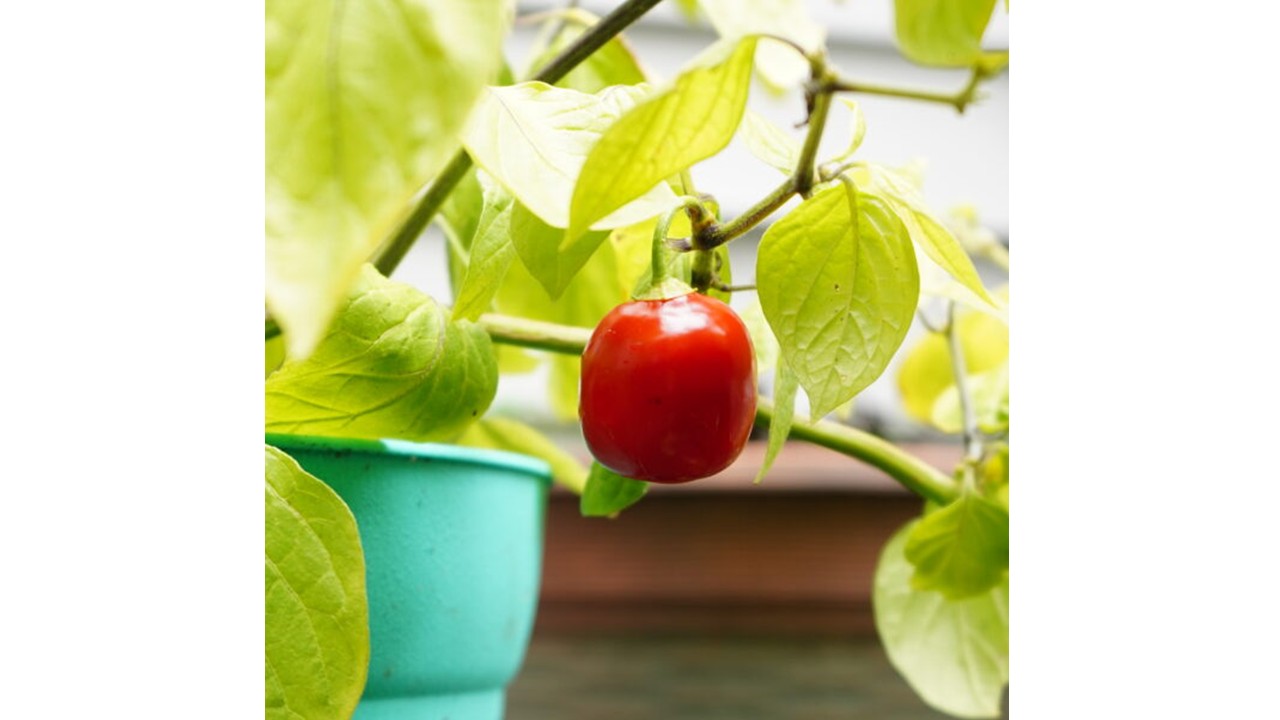
Rocoto Pepper: Looks like an apple, kicks like a mule!
How Many Scoville Heat Units is the Rocoto Pepper? The Rocoto pepper measures between 30,000 and 100,000 Scoville Heat Units, placing it in the moderately hot to hot category while offering a crisp, fruity flavor and thick, juicy flesh that makes it ideal for sauces, salsas, and traditional South American dishes.
The Rocoto pepper, also known as the Manzano pepper, is a striking and exotic chili that combines bold heat with a unique apple-like appearance. Native to the highlands of Peru and Bolivia, this unusual pepper has captivated gardeners, chefs, and hot sauce enthusiasts alike. Its thick, juicy walls and bright red or orange color makes it visually distinctive, while its potent heat and fruity flavor make it an exceptional ingredient for fresh dishes, salsas, and tropical hot sauces reminiscent of the bold flavors found in Peppers of Key West products.
Rocoto peppers are grown primarily in temperate to subtropical climates and thrive in well-draining soil that is rich in organic matter. The plants prefer full sun but can tolerate slightly cooler temperatures than many other chili varieties, reflecting their native high-altitude origins. Proper care, including consistent watering and balanced fertilization, is essential for achieving a robust harvest. Overwatering can lead to root rot, while neglecting nutrients may result in reduced yields and smaller peppers.
The fruit itself is distinguished by its round, apple-like shape and thick flesh, which sets it apart from more commonly seen chili peppers. While visually appealing, the Rocoto’s thick walls also make it ideal for stuffing with cheese, meats, or grains, creating a memorable culinary experience. Its heat level can vary significantly, ranging from medium to extremely hot, depending on growing conditions and the specific cultivar. This versatility allows chefs and home cooks alike to experiment with both subtle spice and fiery intensity in their dishes.
Rocoto peppers are particularly prized for their use in hot sauces. When transformed into sauce, their fruity undertones and vibrant heat create a flavor profile that complements tropical and Caribbean-inspired recipes, similar to the offerings from Peppers of Key West. By blending Rocoto with ingredients like garlic, lime, and tropical fruits, one can create a hot sauce that is simultaneously bold, tangy, and deeply flavorful. This makes Rocoto an excellent choice for gardeners who also enjoy crafting their own condiments and sauces at home.
In addition to their culinary uses, Rocoto peppers are appreciated for their ornamental value. The plants produce bright, colorful fruit that can decorate gardens and patios, adding both aesthetic appeal and functional harvest potential. Proper spacing between plants ensures adequate airflow, reducing the risk of fungal disease, while staking or caging may be necessary to support heavy fruit-laden branches. Pruning excess foliage further encourages healthy growth and abundant pepper production.
Harvesting Rocoto peppers requires attention to ripeness. The peppers can be picked when red or orange for maximum sweetness, or slightly green for a sharper, tangier flavor. Regular harvesting encourages the plant to continue producing fruit throughout the growing season. Gardeners who monitor plant health and environmental conditions closely can enjoy consistent yields, providing fresh peppers for culinary use or hot sauce production for months.
Pest and disease management is an essential aspect of Rocoto cultivation. Common issues include aphids, spider mites, and fungal diseases, which can compromise plant health and reduce yields. Organic and natural pest control measures, combined with proper plant care, help maintain vibrant, productive plants. By ensuring strong, healthy growth, gardeners can maximize both the quantity and quality of the peppers harvested, leading to flavorful and visually stunning results.
For those passionate about flavor, Rocoto peppers offer unparalleled versatility. They can be diced and added to salsas, roasted for sauces, or stuffed and baked for a gourmet experience. The peppers’ thick flesh holds up well under heat, making them ideal for grilling or sautéing. In hot sauce applications, Rocoto peppers provide a unique fruity heat that enhances the overall complexity of the sauce, blending beautifully with other tropical ingredients such as mango, pineapple, and lime.
Gardening enthusiasts will also find Rocoto peppers rewarding because of the plant’s longevity and productivity. When cared for properly, a single plant can produce numerous peppers per season. The combination of ornamental beauty, culinary versatility, and bold heat makes Rocoto peppers a standout choice for backyard gardens, container gardens, and experimental hot sauce kitchens alike.
Ultimately, cultivating Rocoto peppers requires patience, attention, and consistent care, but the rewards are significant. From the bold, fruity flavor to the striking apple-like appearance, these peppers offer both aesthetic appeal and culinary versatility. By providing optimal sunlight, soil conditions, watering, and pest management, gardeners can maximize yields and enjoy a steady supply of peppers suitable for fresh dishes, hot sauce creations, or pickling projects inspired by tropical flavors like Peppers of Key West.
Frequently Asked Questions:
What is the heat level of Rocoto peppers?
Rocoto peppers range from medium to extremely hot, depending on the cultivar and growing conditions, providing fruity, bold heat.
Can Rocoto peppers be stuffed?
Yes, their thick walls make them ideal for stuffing with cheese, meats, or grains.
What do Rocoto peppers taste like?
Fruity, slightly sweet, and bold with a crisp texture.
Are they good for hot sauce?
Absolutely, Rocoto peppers create vibrant, tropical-style hot sauces similar to Peppers of Key West flavors.
How do I grow Rocoto peppers successfully?
Provide well-draining soil, full sun, consistent water, and balanced fertilization while managing pests for maximum yield.
When should I harvest Rocoto peppers?
Harvest when red or orange for sweetness, or slightly green for a tangier, sharper flavor.
