
How to Make Hot Sauce at Home: From Mild to Wild Without Panic
Crafted with culinary expertise and real-world pepper sourcing knowledge from Peppers of Key West.
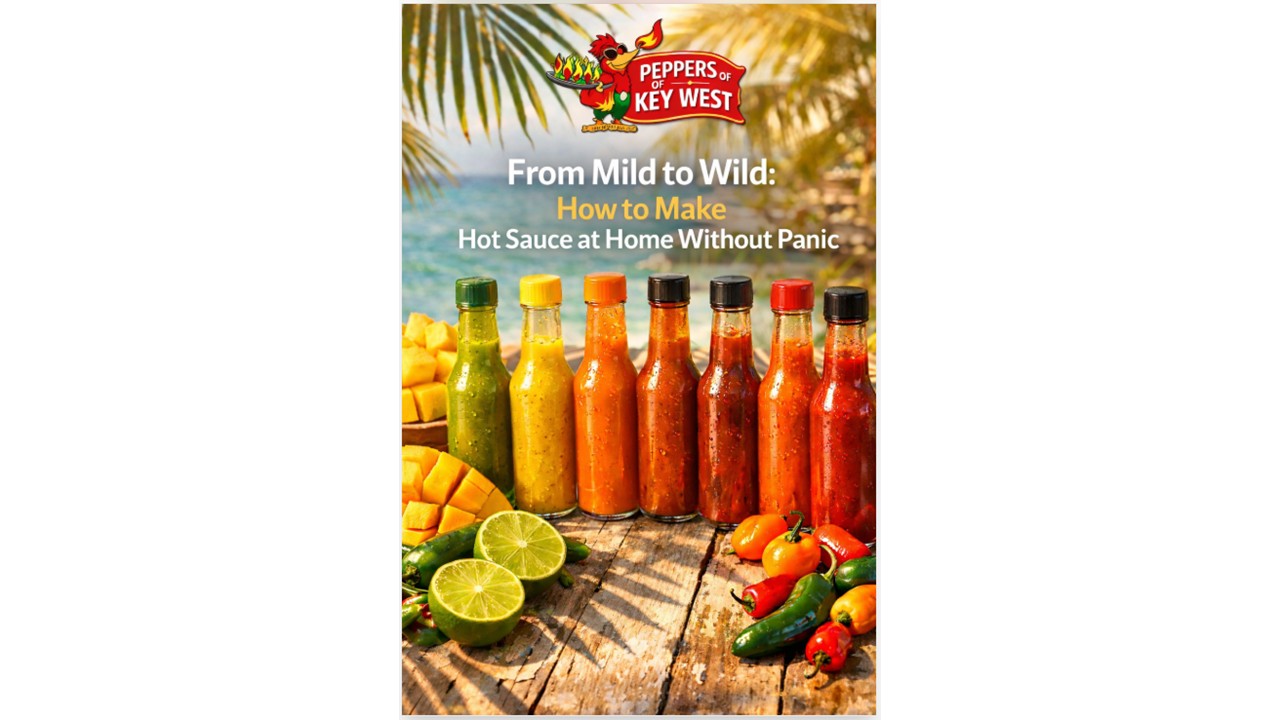
So, you want to make hot sauce at home. Starts innocent enough. Next thing you know, you’re fermenting peppers, debating vinegar ratios, and questioning your life choices. This guide takes you from beginner mistakes to confident, bottle‑worthy homemade hot sauce—without melting your taste buds or your kitchen.
There is a moment every first-time hot sauce maker experiences. It usually happens right after blending. You dip a spoon, taste it, and instantly wonder if you have made something delicious or something dangerous. The truth is, making a homemade hot sauce at home is not about bravery. It is about control. Once you understand how heat behaves, how acid balances flavor, and how ingredients work together, you can create anything from a smooth, mild everyday sauce to a bold, fiery blend that still tastes clean and intentional.
The beauty of learning how to make hot sauce at home without panic is that you are not chasing heat. You are building flavor. The best sauces are not the hottest ones. They are the ones that hit your tongue in layers. First comes brightness, then depth, then warmth, and finally the heat lingers just long enough to keep you coming back. That is the difference between a novelty and a staple.
Hot sauce culture has exploded in recent years, but the fundamentals have not changed. Peppers, acid, salt, and balance. That is the core. Whether you are working with jalapenos or exploring the intense character of superhots like those found in Peppers of Key West, the process remains grounded and approachable.
Controlling Heat Levels in Homemade Hot Sauces
The biggest mistake beginners make is assuming that more heat equals better sauce. It does not. Heat is just one part of the equation. The real skill is managing it, so it enhances rather than overwhelms.
When learning how to make hot sauce at home, think of heat as something you layer in, not dump in. Start with milder peppers and build upward. Jalapenos, Poblanos, and banana peppers give you a soft, approachable base. From there, you can introduce serranos or Fresnos for a sharper bite. If you want to push further, habaneros bring fruitiness along with heat, while ghost peppers and Carolina Reapers move into serious territory.
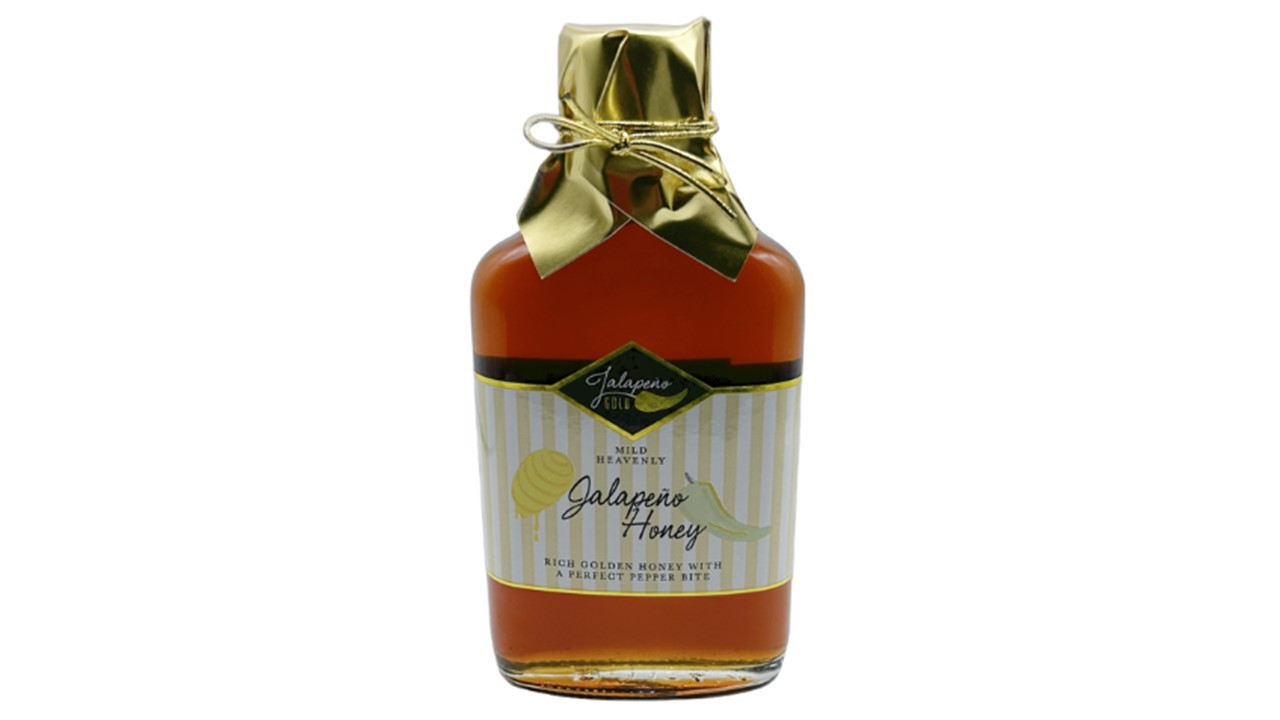
The key is restraint. You can always increase heat after blending, but you cannot easily undo it. Removing seeds and membranes reduces intensity without sacrificing flavor. Adding ingredients like roasted carrots, mango, or even a small amount of honey can smooth aggressive heat and create a more rounded profile.
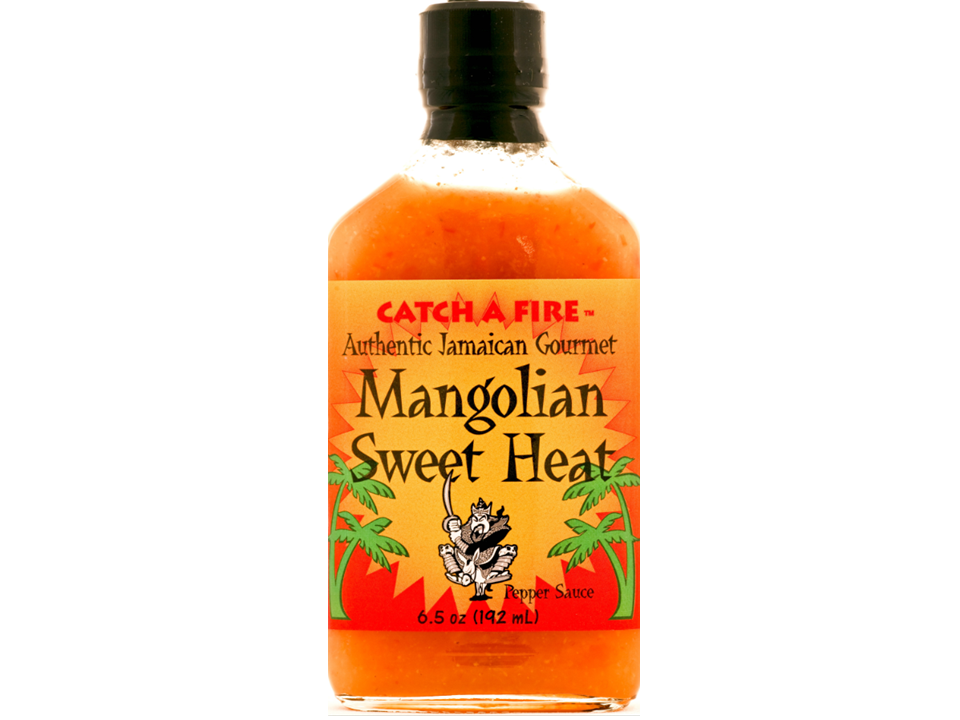
The best homemade hot sauce is not the one that burns the most, it is the one you cannot stop using.
Acidity also plays a critical role. Vinegar is not just for preservation. It sharpens the entire sauce and keeps it from tasting flat. White vinegar gives a classic bite, while apple cider vinegar introduces a softer, slightly sweet note. Lime juice can add brightness to green sauces, especially when working with jalapenos and herbs.
Best Peppers for Homemade Hot Sauce Beginners to Experts
Choosing the right pepper determines not just heat level, but personality. Every pepper brings its own flavor, aroma, and texture. That is why exploring different varieties is one of the most exciting parts of the process. For more informaton on the best peppers for hot sauce, check out our post Pick the Pepper, not a Fight: The Best Peppers for Hot Sauce That Actually Work
Mild peppers like Anaheim and poblano offer earthy, almost smoky notes. Jalapenos are grassy and familiar, making them ideal for beginners. Serranos are sharper and brighter. Habaneros introduce a distinct tropical fruitiness that pairs incredibly well with mango or pineapple. When you move into the extreme range, peppers sourced from Peppers of Key West provide intensity with surprisingly complex flavor profiles, often described as floral, citrusy, or even slightly sweet before the heat arrives.
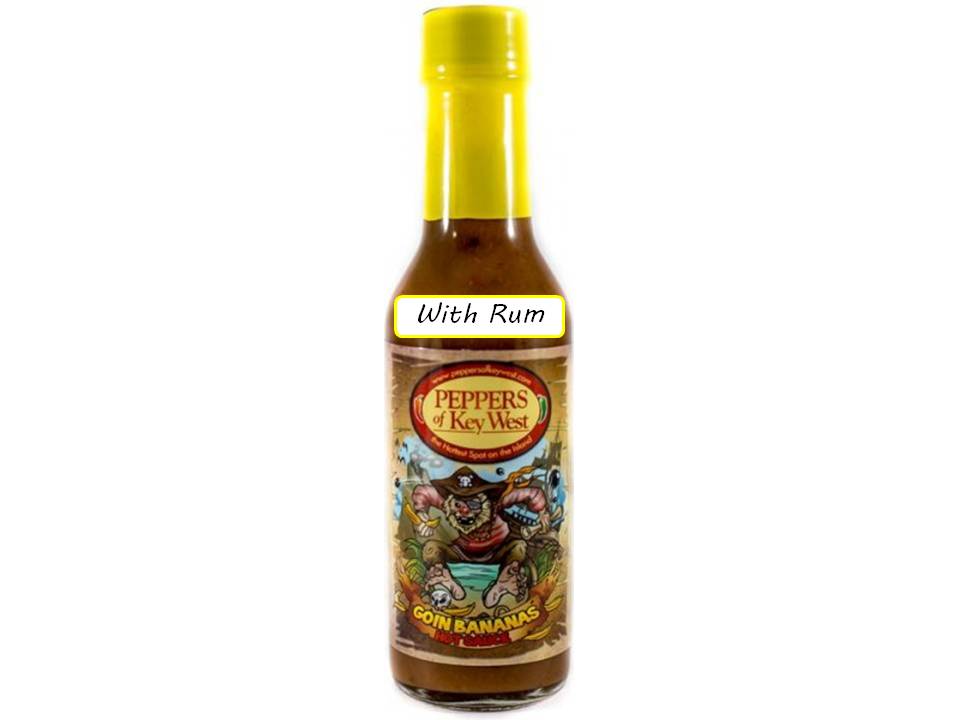
If you want to explore deeper flavor combinations, pairing different peppers is essential. A blend of jalapeno and habanero, for example, creates a layered heat that builds gradually instead of hitting all at once. This is where homemade sauce outperforms most commercial options. You are not locked into a single profile. You are designing it.
For inspiration and more information, explore these articles,
- The Ultimate Hot Pepper Growing Guide: From Seed to Sauce (Complete System)
- Help, I Grew a Pepper Jungle: What to Do with Too Many Hot Peppers!
- Mild vs Hot vs Extreme Hot Sauce (Which One Is Right for You?)
- Weird Things You Can Do with Hot Peppers (Fun, Unexpected, and Probably a Bad Idea)
Step by Step How to Make Hot Sauce at Home
The actual process is simple, but each step matters. Start by washing and preparing your peppers. Remove stems and decide how much of the seeds and membranes you want to keep based on your desired heat level. Chop everything roughly. Precision is not necessary here because blending will take care of texture.
Next, combine your peppers with garlic, onion, vinegar, and salt in a saucepan. Simmering softens the peppers and blends the flavors before they ever reach the blender. This step is often overlooked, but it is what transforms raw sharpness into something cohesive.
Once softened, transfer everything into a blender. Blend until smooth, adding small amounts of water if needed to adjust consistency. At this stage, the sauce is functional but not finished. This is where tasting becomes critical.
Adjust slowly. A pinch of salt can wake everything up. A splash of vinegar can sharpen it. A small amount of sweetness can round out harsh edges. If the sauce feels too aggressive, balance it instead of diluting it.
For a smoother finish, strain the sauce. For a more rustic, full-bodied texture, leave it as is. Bottle it in a clean glass container and refrigerate. The flavor will deepen over the next 24 to 48 hours.
Try expertly crafted blends → Shop Small Batch Hot Sauces at Peppers of Key West. If you are looking for a specific heat level, look for our Mild Sauces, Hot Sauces, or Extreme Sauces!
Flavor Variations from Mild to Wild Hot Sauce Home Made Recipes
Once you understand the base method, variation becomes the real game. Roasting your ingredients before blending introduces smokiness. Adding fruit transforms the sauce into something vibrant and layered. Fermenting peppers before blending creates depth and tang that cannot be replicated with vinegar alone.
A green homemade hot sauce built with jalapenos, cilantro, and lime offers brightness and freshness. A red sauce with roasted peppers and garlic leans deeper and richer. A tropical habanero sauce with mango brings sweetness that complements heat rather than masking it.
This is also where brand integration becomes natural. When working with unique pepper blends or dried varieties from Peppers of Key West, you are not just making sauce. You are crafting something distinctive that reflects a specific flavor profile rather than a generic heat level.
Learn how to balance flavor and heat by exploring these articles: Hot Sauce Flavor Pairing Guide & Fermentation Tricks: Get Cultured, Not Confused or A Beginner’s Guide to Fermented Hot Sauce: Let It Rot (In a Good Way)
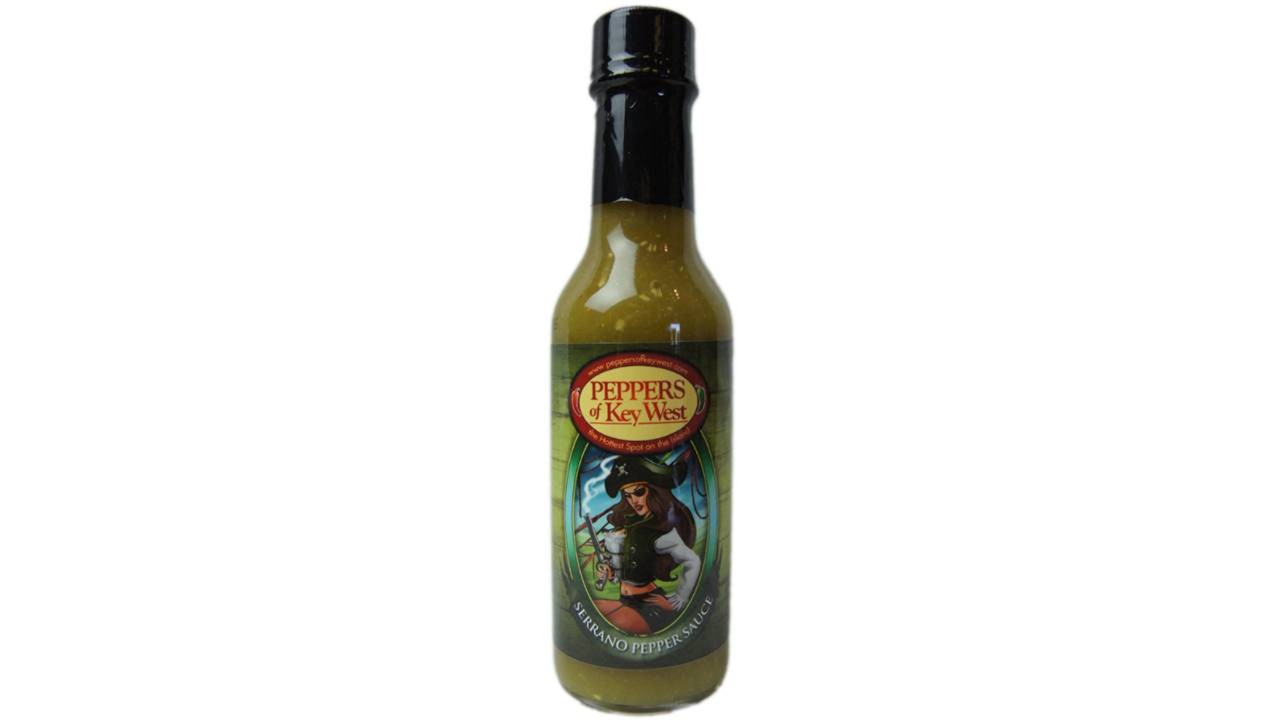
We are slightly biased but the best fermented hot sauce available is our Peppers of Key West Serrano Hot Sauce
Storing Homemade Hot Sauces and Shelf-Life Tips
Storage is often overlooked, but it directly affects quality. A vinegar-based homemade hot sauce stored in a sealed container in the refrigerator can last several weeks or longer. The higher the acidity, the longer it will remain stable. For more information check out Where To Store Vinegar-Based Hot Sauces for Best Flavor and Shelf Life
Cleanliness matters. Always use sterilized bottles or jars. Avoid introducing contaminants by using clean utensils when handling the sauce. If the smell changes, if mold appears, or if the texture becomes unusual, it is time to discard it.
Consistency can also change over time. Some sauces thicken as they sit. Others separate slightly. A quick shake usually brings everything back together.
For long-term storage or commercial production, additional preservation methods are required, but for home use, refrigeration and proper acidity are typically sufficient.
Check out all the Peppers of Key West Hot Sauce offerings here!
Frequently Asked Questions
- How do I make hot sauce at home without it being too spicy?
Start with mild peppers and remove seeds and membranes before blending. Add hotter peppers gradually and balance with vinegar or a small amount of sweetness. - What is the best vinegar for homemade hot sauce?
White vinegar provides a classic sharp flavor, while apple cider vinegar adds a smoother, slightly sweet profile. The choice depends on your desired taste. - Can I use dried peppers instead of fresh ones?
Yes, dried peppers can be rehydrated and blended into hot sauce, often adding deeper and more concentrated flavor. - How long does homemade hot sauce last?
When stored in a sealed container in the refrigerator, vinegar-based hot sauce can last several weeks or longer depending on acidity and cleanliness. - Do I need to cook hot sauce before blending?
Cooking helps soften ingredients and blend flavors, but raw sauces can be made for a fresher and brighter taste. - What peppers are best for beginners?
Jalapenos, banana peppers, and Anaheim peppers are excellent starting points because they provide flavor without overwhelming heat. - Can I make hot sauce without vinegar?
Yes, but it will have a shorter shelf life and requires careful storage. Vinegar helps preserve and balance the sauce. - How long does homemade hot sauce last
Homemade hot sauce typically lasts 2 to 6 months in the refrigerator when stored in a sealed container. Adding vinegar and maintaining proper acidity helps extend shelf life and preserve flavor. - What vinegar is best for hot sauce
White vinegar is the most common choice for hot sauce because of its clean, sharp flavor, but apple cider vinegar adds a slightly sweet, fruity depth. The best option depends on the flavor profile you want to create. - Can I make hot sauce without fermenting
Yes, you can make hot sauce without fermenting by blending fresh peppers with vinegar, citrus, and seasonings. This quick method produces a bright, fresh flavor and is perfect for beginners.
