
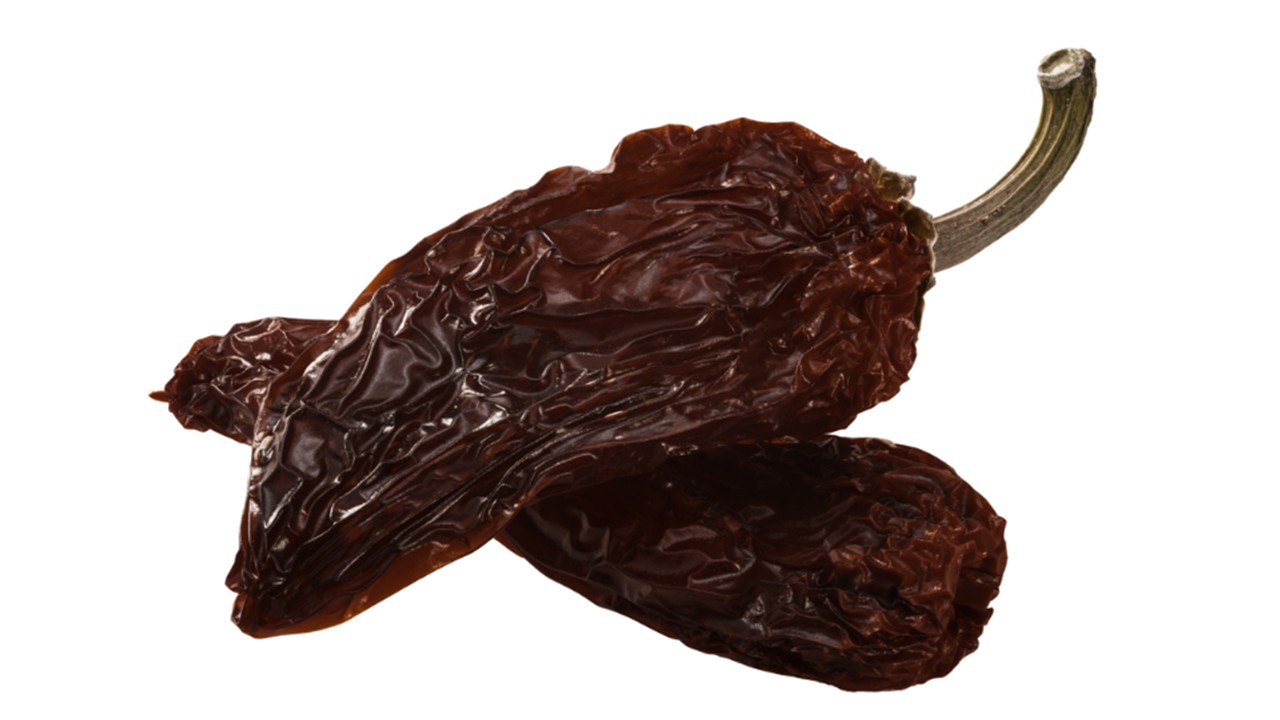
Chipotle Pepper: Smoky, Spicy, and Secretly Sassy
The Chipotle pepper: a Jalapeño that got a smoky makeover and now struts into your dishes like it owns the kitchen.
How Many Scoville Heat Units is the Chipotle Pepper? The Chipotle pepper measures between 2,500 and 8,000 Scoville Heat Units, placing it in the medium heat range while offering a rich, smoky flavor that makes it ideal for sauces, marinades, and bold, savory dishes.
Chipotle peppers are smoked, dried Jalapeños that deliver smoky depth, moderate heat, and bold personality. Their signature flavor makes them a cornerstone in salsas, marinades, chili, and hot sauces. Unlike fresh Jalapeños, which offer bright green heat, Chipotles bring smokiness, warmth, and complexity that elevate dishes from simple to unforgettable. Brands like Peppers of Key West use Chipotles in tropical hot sauces to balance smoky warmth with fruity sweetness, creating sauces that are rich, layered, and exciting.
Historically, Chipotle peppers have deep roots in Mexican cuisine, particularly in the states of Puebla and Oaxaca. Smoking Jalapeños was a traditional preservation method that also amplified their flavor. Over time, the Chipotle became more than a preservation tool—it evolved into a culinary superstar, bringing smoky heat to traditional dishes like adobo, enchiladas, and chili sauces. Tropical hot sauces from Peppers of Key West embrace this smoky heritage, blending Chipotle peppers with tropical fruits, vinegar, and citrus for bold, approachable sauces.
The beauty of Chipotle peppers lies in their versatility. They can be ground into powder, rehydrated for sauces, blended with fruits, or roasted for added depth. Their medium heat makes them ideal for layered hot sauces: mild peppers form the base, Chipotle adds smoky heat, and tropical fruits or citrus add sweetness and acidity. This combination is a hallmark of Peppers of Key West tropical sauces, where bold flavor and approachable spice coexist.
Chipotle peppers are also nutritionally rich, providing vitamins A and C, antioxidants, and fiber. Adding them to sauces, salsas, or cooked dishes boosts flavor and offers health benefits. Tropical sauces often preserve these nutrients while enhancing them with fruits like mango, pineapple, or citrus, creating sauces that are balanced, flavorful, and fun.
When cooking with Chipotles, their smoky flavor can dominate if not used carefully. Combining them with sweet, acidic, or tropical ingredients softens the perceived heat and highlights their depth. For instance, Peppers of Key West Mango Chipotle Sauce pairs smoky peppers with fruity sweetness to create a complex yet approachable sauce.
Chipotle peppers also excel in global fusion cuisine. Their smokiness complements meats, seafood, vegetables, and even tropical fruit-based dishes. They are ideal for adventurous cooks seeking depth, flavor, and moderate heat. Tropical sauces leverage this versatility, allowing cooks to explore smoky, fruity, and spicy layers simultaneously.
Ultimately, Chipotle peppers are about balance, character, and flavor complexity. They let hot sauces stand out without overwhelming the palate, making them essential for tropical sauces from Peppers of Key West, where fruity sweetness, smoky depth, and moderate heat combine to delight the taste buds.
Frequently Asked Questions:
How hot is a Chipotle pepper?
2,500–8,000 Scoville Heat Units—medium heat with smoky flavor.
What is the difference between Jalapeño and Chipotle?
Chipotles are smoked, dried Jalapeños. They have a deeper, smokier flavor and slightly different heat perception.
Can Chipotle peppers be used in hot sauce?
Yes! They’re perfect for adding smoky heat to tropical sauces, salsas, and marinades.
What dishes feature Chipotle peppers?
Adobo, chili, sauces, marinades, tropical fruit salsas, roasted dishes.
Why choose Peppers of Key West sauces with Chipotle peppers?
They balance smoky heat with tropical fruits and citrus for rich, layered flavors everyone can enjoy.
