
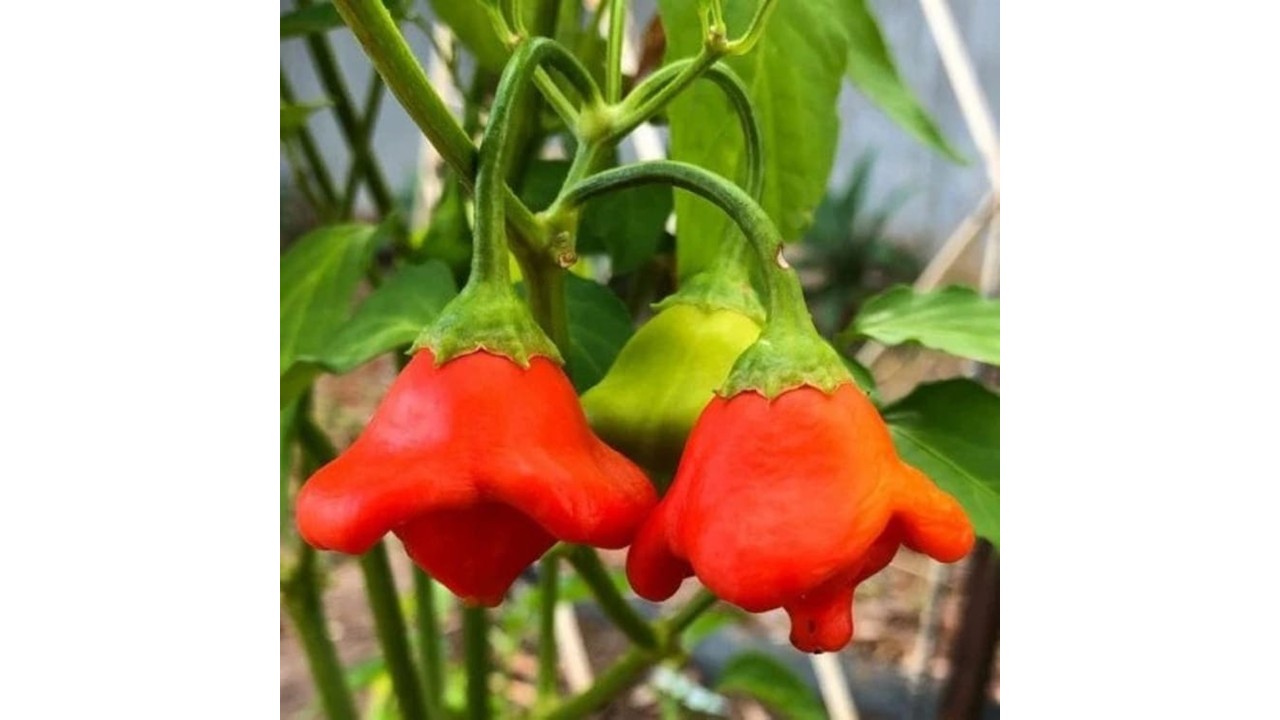
Bishop’s Crown (Christmas Bell) Pepper: Bold Flavor, Spicy, Tropical Delight
How Many Scoville Heat Units is the Bishop’s Crown Pepper? The Bishop’s Crown pepper measures between 5,000 and 30,000 Scoville Heat Units, placing it in the mild to moderately hot category while offering a sweet, fruity flavor with subtle heat, making it ideal for sauces, salsas, and creative culinary dishes.
The Bishop’s Crown pepper, also known as the Christmas Bell, is one of the most visually distinctive and culinary versatile peppers available to gardeners and hot sauce enthusiasts alike. Its triangular, crown-like shape immediately sets it apart from more common chili varieties, making it a favorite for ornamental gardens and festive dishes. While the Bishop’s Crown is relatively mild compared to its hotter cousins, it delivers a subtle warmth alongside a fruity, slightly sweet flavor, making it ideal for fresh consumption, pickling, or crafting flavorful hot sauces inspired by tropical flavors like those found in Peppers of Key West products.
Growing Bishop’s Crown peppers begins with selecting healthy seedlings or seeds and providing the right environment for development. These peppers thrive in well-draining, nutrient-rich soil with a slightly acidic to neutral pH, generally between 6.0 and 6.8. Adequate sunlight is crucial for strong growth; the plants perform best with six to eight hours of direct sun each day. When grown in containers or small garden beds, careful attention must be paid to spacing and soil quality to ensure the plants can flourish and produce a generous harvest.
Watering is a critical aspect of maintaining Bishop’s Crown peppers. These plants prefer consistent moisture but are highly sensitive to overwatering, which can lead to root rot and other issues that hinder fruit production. Deep, infrequent watering encourages the development of strong root systems, ensuring the plant can sustain its fruit load and continue producing peppers throughout the season. Mulching around the base of the plant helps retain moisture, reduces weed growth, and stabilizes soil temperature, further supporting healthy plant development.
Fertilization is another key factor in maximizing both yield and flavor. Early in the growing season, a balanced fertilizer promotes vigorous vegetative growth, which provides a sturdy foundation for fruit production. As the plants begin to flower and set fruit, switching to a fertilizer higher in phosphorus and potassium encourages robust fruit development and enhances the sweetness and complexity of the peppers. Avoiding excessive nitrogen is important, as it can lead to lush foliage at the expense of fruiting.
One of the most striking features of the Bishop’s Crown pepper is its triangular, crown-like shape, which makes it particularly appealing for ornamental use and culinary presentation. The peppers start green and gradually ripen to a bright red, although yellow or orange variants are sometimes available. Each pepper typically measures one and a half to two inches across, providing a perfect size for stuffing with cheese, herbs, or other fillings, as well as for pickling or incorporating into sauces. Its mild heat, usually ranging from 5,000 to 30,000 Scoville Heat Units, makes it accessible to a wide audience, including those who prefer flavor without intense spiciness.
Harvesting Bishop’s Crown peppers is straightforward. The plant produces fruit in moderate quantities over the course of the growing season, and regular harvesting encourages continued production. Picking peppers at peak ripeness, when fully colored, enhances flavor and ensures the plant continues to invest energy into new fruit. The harvested peppers are excellent for immediate culinary use, whether in fresh salsas, marinades, or as colorful additions to salads, or they can be transformed into bold, tropical-inspired hot sauces reminiscent of Peppers of Key West flavors.
Pest and disease management are essential to maintaining healthy plants. While generally resilient, Bishop’s Crown peppers can be affected by common garden pests such as aphids, spider mites, and caterpillars. Regular inspection, combined with organic or natural interventions, helps prevent infestations from reducing yield or damaging fruit. Adequate airflow around the plants, achieved through proper spacing and pruning, minimizes the risk of fungal diseases and promotes vigorous growth.
The Bishop’s Crown pepper is not just a culinary ingredient; it is also an excellent choice for gardeners seeking visual interest in their gardens. The striking shape and vibrant colors add a festive touch to garden beds, containers, and ornamental displays. Gardeners can experiment with multiple colors and even mix Bishop’s Crown peppers with other varieties to create eye-catching arrangements that are both productive and aesthetically pleasing.
In terms of culinary versatility, Bishop’s Crown peppers can be used in a variety of ways. They are ideal for stuffing due to their size and shape, providing bite-sized appetizers or elegant hors d’oeuvres. Pickling the peppers preserves their sweet, fruity flavor and creates a tangy, crunchy addition to dishes. Their mild heat makes them suitable for inclusion in salsas, relishes, or stir-fries without overwhelming other ingredients. For hot sauce enthusiasts, Bishop’s Crown peppers offer a unique base for crafting sauces with balanced heat and complex, fruity undertones that complement other peppers, spices, and tropical ingredients.
Consistency in care is critical for success with Bishop’s Crown peppers. Regular monitoring of soil moisture, plant health, and nutrient levels ensures that the plants remain productive throughout the season. By providing adequate sunlight, proper watering, balanced fertilization, and attentive pest management, gardeners can maximize yield and enjoy a continuous harvest of flavorful, visually stunning peppers.
Ultimately, growing Bishop’s Crown peppers is both an enjoyable and rewarding experience. The combination of mild heat, fruity flavor, and unique shape makes them a favorite among gardeners, chefs, and hot sauce creators. With careful attention to soil, sunlight, water, and nutrition, these peppers can thrive and produce abundant, high-quality fruit that elevates culinary creations and inspires creativity. Whether used fresh, pickled, or as a component in hot sauce, the Bishop’s Crown pepper is a versatile and captivating addition to any garden or kitchen, providing flavor, color, and character in every harvest.
Frequently Asked Questions:
What is the heat level of Bishop’s Crown peppers?
Bishop’s Crown peppers are mild, ranging from 5,000 to 30,000 Scoville Heat Units, providing gentle heat and fruity flavor.
How big do Bishop’s Crown peppers grow?
Each pepper typically measures 1.5–2 inches across and ripens from green to bright red.
Can Bishop’s Crown peppers be stuffed?
Yes, their unique triangular shape makes them perfect for stuffing with cheese, herbs, or other fillings.
Are they good for hot sauce?
Absolutely. Their mild heat and fruity flavor make them ideal for balanced, tropical-style hot sauces inspired by Peppers of Key West.
How do I care for Bishop’s Crown pepper plants?
Provide full sun, well-draining soil, regular watering, balanced fertilization, and monitor for pests to maintain healthy, productive plants.
When should I harvest Bishop’s Crown peppers?
Harvest when the peppers are fully colored (red, orange, or yellow depending on variety) for the best flavor and continued fruit production.
