Mexican Street Food Dishes Explained: Your Complete Guide to Authentic Mexican Favorites
Mexican street food has a wonderful habit of making first-time visitors feel hungry and slightly confused at exactly the same moment.
You walk through a market and recognize tacos immediately. Then somebody hands you a thick oval of masa covered with beans and cheese. Another stand is frying something that looks vaguely like a sandwich. A woman beside a steaming pot is serving corn into cups instead of on the cob. Across the aisle, a cook is pinching raised edges around a masa base before spooning salsa into the center.
Tlacoyo. Pambazo. Esquites. Picada.
Suddenly, “Mexican street food” feels much bigger than tacos.
And it is.
Mexico’s streets, markets, plazas, neighborhood stands, and small food counters are filled with dishes built from a surprisingly small set of foundational ingredients—corn, masa, beans, chiles, meats, cheese, bread, vegetables—but transformed through different shapes, cooking methods, toppings, regional traditions, and generations of local preference.
That is what this guide is about.
Rather than treating Mexican street food as a checklist of famous dishes, we’re going to learn how to recognize what you’re looking at. Why is a sope different from a gordita? What separates esquites from elote? Why do some foods begin with masa while others depend on bread? And why can a familiar name describe something noticeably different when you travel from one part of Mexico to another?
If you want the broader journey through Mexico’s enormous world of foods beyond the taco, start with Mexican Street Food Beyond Tacos: Elote, Tortas, Tamales & More. Here, we’re narrowing the lens and concentrating on the dishes themselves—what they are, how they’re built, and what makes each worth recognizing.
Because once you stop looking for tacos everywhere, Mexican street food gets much more interesting.
MEXICAN STREET FOOD ISN’T ONE DISH, ONE COOKING STYLE, OR EVEN ONE MENU—IT’S A LANGUAGE OF MASA, BREAD, FIRE, CHILES, FILLINGS, TOPPINGS, AND REGIONAL TRADITION.
🌮 Quick Guide to Mexican Street Food Dishes
What are the most common Mexican street foods besides tacos?
Elote, esquites, tamales, tortas, quesadillas, tostadas, sopes, gorditas, tlacoyos, huaraches, pambazos, flautas, and churros are common favorites.
Are all Mexican street foods made with tortillas?
No. Many begin with fresh masa, bread, whole corn, seafood, fruit, or other foundations.
What’s the difference between a tortilla and a masa-based street food?
A tortilla is one preparation of masa; other dishes shape masa into thicker, stuffed, pinched, or elongated forms.
Are Mexican street foods always spicy?
No. Many dishes are mild until salsa, chiles, or other spicy condiments are added.
Is Mexican street food the same throughout Mexico?
No. Dishes, ingredients, names, and preparations can change dramatically from one region to another.
How do I know what to order at a Mexican street-food stand?
Watch what the vendor specializes in and what local customers are ordering—that’s often your best clue.
The Easiest Way to Understand Mexican Street Food Is by What It’s Built On
A long list of Mexican dish names is useful until you encounter twenty of them and everything starts blending together. A better way to understand the food is to look beneath the toppings and ask a much simpler question: What is this dish built on? That question immediately begins separating foods that can look surprisingly similar on a crowded table.
Some begin with a thin tortilla. Others start with masa that is shaped before it ever becomes a tortilla. Some depend on a crusty roll that can withstand salsa, meat, beans, and crema, while others begin with corn still attached to the cob—or kernels cut away from it. Some are wrapped and steamed; others are fried until crisp. Once you recognize the foundation, the rest of the dish becomes much easier to understand.
That is particularly important with masa. A visitor unfamiliar with Mexican food might see a sope, huarache, tlacoyo, and gordita and reasonably conclude that they’re variations of the same thing. They share ingredients and a common masa foundation, but their shape, thickness, preparation, fillings, and regional identities create distinctly different eating experiences.
The same principle applies elsewhere. Elote and esquites share corn but not format. Tortas and pambazos both use bread but behave very differently once sauce enters the picture. Tamales begin with masa too, yet wrapping and steaming take them in an entirely different direction. Mexican street food becomes much easier to navigate when you stop asking, What does that Spanish word mean? and start asking, How did the cook build that?
THE FOUNDATION TELLS YOU WHAT FAMILY A STREET FOOD BELONGS TO; THE COOKING METHOD, REGION, AND FINISHING TOUCHES TELL YOU WHAT MAKES IT DISTINCTIVE.
Masa Antojitos: One Foundation, Remarkably Different Foods
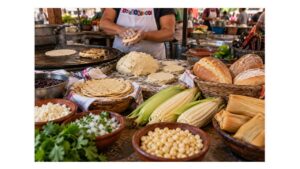
Stand near a comal long enough and one of the great lessons of Mexican cooking becomes visible: masa doesn’t have to become a tortilla. A cook can pat it thick, stretch it long, form a pocket, pinch its edges, stuff its center, cook it on a hot comal, fry it, or combine several of those techniques. Small changes in shape and construction produce foods with remarkably different textures and purposes.
Many of these foods belong to the broad world of antojitos, a wonderfully useful Mexican food category whose name comes from antojo, or craving. Translating antojitos simply as “snacks” doesn’t quite capture them. Some are small enough for a quick bite, while others can become a substantial meal. What connects them more closely is the idea of food eaten because something delicious is calling your name.
Consider the sope. It begins with a small, thick round of masa whose edges are typically pinched upward after initial cooking, creating a shallow rim capable of holding beans, meat, salsa, lettuce or cabbage, crema, cheese, and other toppings. That rim is one of the easiest visual clues for recognizing a sope. Unlike a flexible tortilla that folds around its filling, the sope functions more like a sturdy edible platform, with enough thickness for the flavor and texture of the corn itself to remain an important part of every bite.
A gordita changes the architecture. The name suggests something little and plump, which makes sense beside the comparatively thin profile of a tortilla. Many gorditas can be split or opened to create a pocket for fillings, turning the masa itself into the container rather than simply a base for toppings. Depending on the region and preparation, gorditas may be cooked on a comal or fried, and what arrives when you order one isn’t necessarily identical everywhere in Mexico. That’s an important lesson for this entire guide: Mexican street-food names don’t always behave like standardized restaurant-menu definitions. Local tradition matters.
With tlacoyos, the familiar round shape gives way to an elongated oval strongly associated with central Mexico. Here, another structural difference becomes important: the masa is traditionally formed around a filling, often beans, requesón, or another ingredient, before being cooked on the comal. The filling therefore isn’t merely piled on afterward; it becomes part of the food’s architecture from the beginning. Nopales, salsa, cheese, onions, and other toppings may finish the tlacoyo, but its elongated shape and stuffed masa base remain among its defining characteristics.
Stretch the masa longer and you arrive at the huarache, named for the traditional sandal its elongated shape resembles. Generally larger and more elongated than a sope or tlacoyo, a huarache creates a broad masa surface for beans, meat, salsa, cheese, crema, nopales, and other toppings. Seeing these foods together makes their relationship much easier to understand. Shape determines surface area; thickness changes texture; a pinched rim changes what the base can hold; a pocket changes how a filling is carried; and stuffing the masa changes where flavor enters the bite.
But shape and construction can only take you so far. Travel through Mexico and geography begins changing the lesson.
In Veracruz, for example, you may encounter a picada, another thick masa preparation with pinched edges that create a shallow boundary for salsa and other toppings. If that description makes you think of a sope, you’re beginning to see why rigid nationwide definitions can be misleading. Differences among related masa foods may involve size, thickness, fat, salsa, customary toppings, preparation, terminology, and—critically—where you’re eating them.
Travel toward Oaxaca and memelas provide an even clearer example. A thick or oval masa base is cooked on the comal and may be finished with ingredients such as asiento, beans, salsa, and cheese, depending on the preparation. What makes a memela meaningful isn’t merely a particular shape or collection of toppings. It belongs to a larger regional cooking culture, just as the picada belongs to traditions particularly associated with Veracruz.
This is where identifying Mexican street food becomes more interesting than simply memorizing definitions. A sope, gordita, tlacoyo, huarache, picada, and memela can all reveal something different about what Mexican cooks do with masa, but not every distinction can be reduced to thickness, shape, or toppings. Sometimes local terminology matters. Sometimes customary preparation matters. And as the Regional Mexican Street Food Guide: Famous Dishes from Every Corner of Mexico makes clear, geography can shape everything from the ingredients and cooking methods to the dishes that become part of a region’s identity.
Sometimes geography is part of the recipe.
 🌶️ Professor Pepper Says…
When several Mexican street foods seem almost identical, ignore the toppings for a moment and look at the masa itself—its shape, thickness, whether it is stuffed, and how it was cooked. If that still doesn’t explain the difference, ask where you are. In Mexico, geography can be as important as technique.
A SOPE, GORDITA, TLACOYO, HUARACHE, PICADA, AND MEMELA MAY SHARE THE SAME MASA FOUNDATION, BUT SHAPE, TECHNIQUE, AND PLACE GIVE EACH ONE ITS OWN IDENTITY.
Elote and Esquites: The Same Corn Takes Two Different Paths
Now step away from shaped masa and look at corn in a form much closer to where this entire story began. Few Mexican street-food images are more recognizable than elote: an ear of corn served on the cob and commonly dressed with some combination of mayonnaise or crema, cheese, lime, chile, and other seasonings. A few steps away, however, another vendor may be spooning steaming corn kernels into a cup. That’s esquites, and although the two dishes share the same agricultural foundation, they create distinctly different street-food experiences.
Elote keeps the cob intact. You hold it, rotate it, bite directly into the kernels, and inevitably discover that eating it neatly was never part of the arrangement. The cob isn’t merely a serving device; it shapes the experience of eating the dish. Corn, creamy richness, salty cheese, lime, and chile arrive together as you work your way around it.
Esquites take that familiar corn in another direction. The kernels are removed from the cob and served in a cup, creating something warm, spoonable, and easy to customize. Preparations vary, but the corn may be cooked with aromatics or other seasonings before being finished with lime, chile, cheese, mayonnaise or crema, and additional toppings. The transformation sounds simple—cob to cup—yet it changes the texture, proportions, and way every bite comes together.
That distinction reinforces the larger lesson of this guide. Mexican street foods don’t need completely different ingredient lists to become different dishes. Sometimes changing the construction is enough. Elote and esquites begin with corn, but one preserves the pleasure of eating directly from the cob while the other turns those kernels into a layered cup meant for a spoon.
Regional and vendor variations make both dishes more complicated than any single universal recipe can capture, and that’s not a problem to solve. It’s part of understanding Mexican street food. The useful question isn’t which version is the “official” one, but what the cook has done with the corn and how that choice changes the experience.
ELOTE AND ESQUITES PROVE THAT IN MEXICAN STREET FOOD, HOW AN INGREDIENT IS PREPARED AND SERVED CAN BE JUST AS IMPORTANT AS THE INGREDIENT ITSELF.
Tortas and Pambazos: When Bread Becomes the Foundation
Corn and masa may dominate the popular image of Mexican street food, but walk past enough puestos, mercados, and neighborhood counters and another foundation becomes impossible to ignore: bread.
Mexico has an enormous sandwich tradition, and the torta is at the center of it. At first glance, calling a torta a Mexican sandwich seems perfectly adequate. A crusty roll is sliced open, filled generously, and eaten with your hands. But that description misses what makes the torta such a useful lesson in Mexican street food. The bread isn’t simply replacing a tortilla. It creates an entirely different kind of structure—one capable of holding beans, avocado, cheese, meats, chiles, salsa, crema, and combinations substantial enough to turn a handheld street food into a full meal.
The bread matters. Bolillos have a crisp exterior and soft interior that make them particularly useful for sandwiches, while teleras tend to be flatter and softer, with their recognizable divided top. Which bread appears depends on the torta, vendor, and local tradition, but both demonstrate something important: Mexican street-food architecture extends well beyond corn.
And tortas themselves are not one standardized sandwich.
One vendor might fill a torta with milanesa, another with carnitas, ham, chorizo, cheese, or combinations of several ingredients. Regional specialties push the category even further. Guadalajara’s torta ahogada deliberately takes a sandwich and immerses it in sauce, while Puebla’s cemita develops its own identity through a distinctive bread and customary ingredients. Once again, the broad category gives you a starting point, not a nationwide formula.
Then there is the pambazo, which demonstrates just how dramatically changing the treatment of the bread can change the food.
A pambazo is commonly associated with bread dipped or coated in a red chile sauce before being cooked on a hot surface, giving the exterior its characteristic reddish color and a texture unlike an ordinary torta. A familiar filling is potato with chorizo, often accompanied by lettuce, crema, cheese, and salsa, although preparations vary. The crucial distinction for our purposes isn’t memorizing every possible filling. It is understanding what happens to the foundation.
With many tortas, the bread provides a sturdy exterior around the ingredients. With a pambazo, the bread itself becomes part of the cooking process. Sauce penetrates the surface; heat changes its texture; the exterior develops flavor before the sandwich is fully assembled. Two foods may begin with bread and contain some overlapping ingredients, yet the treatment of that bread sends them down noticeably different paths.
That is the same lesson we just saw with elote and esquites and, before that, with the masa antojitos. Mexican street food repeatedly takes a shared foundation and changes its identity through construction. A tortilla can remain flat, fold, roll, or fry. Fresh masa can become thick, elongated, pinched, stuffed, or wrapped. Corn can remain on the cob or become kernels in a cup, while bread can stay crusty and sturdy or be coated in chile sauce and cooked until the surface becomes an essential part of the dish.
Once you begin looking at Mexican street food this way, names that once seemed like an overwhelming vocabulary start organizing themselves into families. Instead of memorizing every dish as something completely separate, you begin recognizing the relationships between them—and seeing how Mexican cooks create remarkable variety from foundations that appear again and again.
TORTAS AND PAMBAZOS BOTH BEGIN WITH BREAD, BUT THE WAY THAT BREAD IS CHOSEN, FILLED, SAUCED, AND COOKED HELPS DETERMINE WHAT THE FINAL STREET FOOD BECOMES.
Tamales: Masa Takes a Completely Different Journey
If sopes, gorditas, tlacoyos, and huaraches teach us how many things can happen to masa on a comal, tamales teach the opposite lesson. Sometimes masa never touches the comal at all. Instead, it is spread onto a wrapper, paired with a filling or seasoning, enclosed, and steamed. That change in cooking method transforms both texture and experience so completely that a tamal may not immediately seem related to the masa antojitos we encountered earlier. Yet underneath the wrapper, the same larger corn tradition remains.
The wrapper is the first clue. Corn husks are common across much of Mexico, while banana or plantain leaves appear prominently in numerous regional preparations, particularly in southern and tropical areas. The wrapper isn’t generally eaten, but it performs essential work: holding the masa and filling together while trapping moisture and aroma during steaming. Unwrap a tamal and the result is fundamentally different from a tortilla or griddled masa cake. Instead of the toasted surface created by direct contact with a comal, steaming produces a softer, more tender structure. Fillings may include pork, chicken, chiles, mole, cheese, vegetables, or countless regional combinations, while some tamales are sweet rather than savory. In other preparations, flavor is incorporated directly into the masa instead of appearing as a clearly defined center.
This is also where tamales resist the temptation to create one tidy definition. Travel through Mexico and their size, wrapper, masa texture, filling, seasoning, and even construction can change dramatically. Oaxaca is particularly famous for tamales wrapped in banana leaves, while other regions have their own recognizable traditions. Some are relatively small and compact; others are considerably larger. Some reveal a distinct filling when opened, while others integrate the masa and flavoring so completely that the distinction between the two becomes less obvious.
What connects this enormous family isn’t one meat, one salsa, or even one wrapper. It is the underlying method: prepared masa is wrapped and steamed. That method also helps explain why tamales occupy such an interesting position in Mexican food culture. They work as portable food, market food, breakfast, a quick meal, and food for gatherings and celebrations. The wrapper creates its own natural package, but the food inside carries generations of regional and family variation.
The contrast with the earlier masa foods is especially useful. Put a ball of masa into the hands of one cook and it might become a tortilla; another might pinch it into a sope; another might form it around beans for a tlacoyo. Give that masa to a tamal maker and it can instead be spread onto a corn husk or leaf, paired with other ingredients, folded into a package, and transformed by steam rather than direct heat. The foundation is familiar, but the destination is entirely different.
TAMALES SHOW THAT THE IDENTITY OF A MASA-BASED STREET FOOD ISN’T DETERMINED BY CORN ALONE—WRAPPING, STEAMING, FILLING, AND REGIONAL TRADITION CAN TRANSFORM THAT FOUNDATION COMPLETELY.
Tostadas, Taquitos, Flautas, and Tacos Dorados: When Crispness Changes the Experience
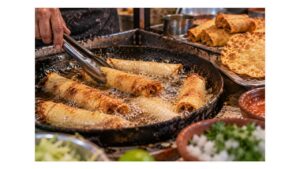
There is another transformation that deserves its own family: what happens when the tortilla becomes crisp. A fresh corn tortilla is flexible by design. It bends around meat, catches salsa, and lets a taco be eaten from the hand. But frying or otherwise crisping that tortilla changes its structural possibilities. Suddenly it can become a rigid platform, a tightly rolled shell, or a golden enclosure around a filling.
The tostada demonstrates the platform approach. A tortilla is cooked until crisp and then topped rather than folded, creating a sturdy base for ingredients such as beans, shredded meats, seafood, lettuce or cabbage, crema, cheese, salsa, avocado, and countless regional combinations. Like the sope, it carries ingredients on top, but the eating experience is completely different. The sope’s thick masa base remains tender and substantial; the tostada announces itself with a brittle crunch.
Rolled fried foods take that transformation in another direction. Taquitos are tortillas wrapped tightly around a filling and cooked until crisp, creating a compact rolled form that can be topped or accompanied by salsa, crema, cheese, lettuce, guacamole, or other additions. Flautas occupy closely related territory, but they are commonly recognized by their longer, flute-like shape and can vary in tortilla type, size, and regional usage.
Then there are tacos dorados, literally “golden tacos,” a broader Mexican tradition of tacos fried until crisp and golden. Depending on the preparation, they may be rolled or folded, and regional terminology can overlap enough that attempting to force taquitos, flautas, and tacos dorados into rigid universal definitions creates more confusion than clarity. These aren’t three perfectly standardized categories with borders no cook ever crosses. Tortilla shape and size, filling, folding or rolling, frying technique, local tradition, and regional naming can all influence what the finished food is called.
That overlap is actually more useful to understand than a rigid definition. A flat crisp tortilla becomes a platform for toppings. Roll a filled tortilla and fry it, and the structure becomes narrow and crunchy. Fold and fry another, and you create a different relationship between shell and filling. In each case, crispness isn’t merely texture added at the end. It changes how the food holds together, how toppings interact with it, how it is eaten, and ultimately how the dish is understood.
This brings us back to the principle running through everything we’ve encountered so far: technique can change identity. The tortilla may be the shared foundation, but what the cook does with it determines whether it remains flexible, becomes a crisp platform, wraps tightly around a filling, or turns golden around one.
A TORTILLA DOESN’T STOP BEING A FOUNDATION WHEN IT HITS HOT OIL—FRYING CHANGES ITS STRUCTURE, AND THAT NEW STRUCTURE OPENS ANOTHER ENTIRE FAMILY OF MEXICAN STREET FOODS.
Quesadillas: A Simple Idea That Gets Complicated Fast
Few Mexican foods demonstrate the danger of assuming you already know what you’re ordering quite like the quesadilla. Outside Mexico, the word often brings to mind a straightforward formula: tortilla, melted cheese, perhaps some meat or vegetables, folded or sandwiched together and cooked until warm. Order a quesadilla in Mexico, however, and geography immediately enters the conversation.
At its most recognizable, a Mexican quesadilla begins with a tortilla that is folded around a filling and cooked on a comal until the tortilla is hot and the interior is ready to eat. Corn tortillas are common, although flour tortillas have an important place in northern Mexico and other regional traditions. Fillings can extend far beyond the combinations familiar from Mexican-American restaurant menus, including mushrooms, squash blossoms, huitlacoche, potatoes, chicharrón, meats, and stewed preparations that make the quesadilla as much a vehicle for local ingredients as a dish with one fixed recipe.
Then comes the question that has probably generated more discussion than anything else about the quesadilla: does it have to contain cheese?
In much of Mexico, expecting cheese in something called a quesadilla seems perfectly reasonable. In Mexico City, however, ordering can work differently. Cheese may be treated as an ingredient that needs to be requested rather than an automatic requirement, and a quesadilla can arrive filled with another guisado or ingredient without cheese at all. The linguistic debate is entertaining, but for a traveler the practical lesson is more useful: listen to how the vendor takes the order, look at the available fillings, and don’t assume the same word produces precisely the same food everywhere.
The tortilla itself can change the experience just as dramatically. A freshly made corn tortilla gives a quesadilla the aroma, texture, and toasted character of masa, while a flour tortilla produces a softer, more pliable result with its own regional associations. Some quesadillas are cooked entirely on the comal; others may be fried. Size, thickness, filling, cheese, salsa, and cooking method can all shift depending on where you encounter them.
That variability makes the quesadilla particularly useful in a guide like this. Its identity doesn’t come from an elaborate list of mandatory ingredients. Instead, it comes from a recognizable construction—a tortilla folded around something delicious—combined with local expectations about what belongs inside.
Once again, the name gets you into the neighborhood. Geography tells you which house you’re standing in.
A QUESADILLA MAY LOOK LIKE ONE OF MEXICO’S SIMPLEST STREET FOODS, BUT TORTILLA, FILLING, COOKING METHOD, AND ESPECIALLY REGIONAL TRADITION CAN CHANGE WHAT ARRIVES AFTER YOU ORDER ONE.
Chalupas and Other Regional Foods Remind Us That Names Need Geography
By now, a pattern should be emerging. The closer you look at Mexican street food, the harder it becomes to separate the dish from the place where people make and eat it. That becomes especially important with foods whose names have traveled far beyond their regional origins.
Consider the chalupa.
For many American diners, the word may evoke a large, heavily filled fast-food shell. In Puebla, where chalupas have a particularly strong regional identity, the experience is quite different. Small corn tortillas are traditionally prepared on a hot surface with fat, topped with red or green salsa, onions, and commonly shredded meat. They are compact, relatively simple, and built around the interaction of tortilla, salsa, fat, and a modest amount of topping rather than an enormous shell piled high with ingredients.
That difference is more than an interesting bit of culinary trivia. It illustrates why learning Mexican street food entirely through names can lead you astray. Foods migrate. Names migrate. Restaurant adaptations develop. Regional versions evolve. Eventually, two dishes carrying the same or similar names can create very different expectations depending on where you’re standing.
The same caution applies throughout Mexico. A gordita encountered in one region may differ from the gordita you ate hundreds of miles away. A tamal wrapped in a corn husk can give way to one wrapped in a banana leaf. Bread changes from place to place. Salsas change. Preferred fillings change. Even the meaning or boundaries of familiar food categories can shift.
This doesn’t mean Mexican street food is impossible to define. It means the definitions work best when geography is included rather than treated as an inconvenience. Instead of asking only, “What is a chalupa?” the more revealing question is often, “What does a chalupa mean here?”
That small change in thinking turns regional variation from a source of confusion into part of the pleasure of exploring the food.
IN MEXICAN STREET FOOD, A DISH’S NAME CAN TELL YOU WHAT TO LOOK FOR, BUT ITS HOMETOWN OFTEN TELLS YOU WHAT YOU’RE ACTUALLY ABOUT TO EAT.
Churros and Sweet Street Foods Belong to the Story Too
After so much masa, salsa, meat, bread, and chile, it would be easy to imagine Mexican street food as an entirely savory world. Then the smell of frying dough and cinnamon sugar drifts down the street.
Churros provide one of the clearest reminders that street food doesn’t end with the savory dishes. Dough is extruded into hot oil, fried until the exterior becomes crisp while the inside remains tender, and commonly finished with sugar or cinnamon sugar. Depending on the vendor and style, churros may be served plain or filled, accompanied by chocolate or another sweet element, and eaten from a paper bag while still warm.
Their appeal is partly sensory. Unlike many of the foods we’ve encountered, there isn’t much mystery about watching a churro become a churro. The dough enters the oil, bubbles furiously, turns golden, emerges crisp, and gets coated while still hot. At a busy churrería or street stand, production becomes part of the experience as cooks work continuously and customers receive their churros moments after they leave the oil.
But churros are only one doorway into Mexico’s sweeter everyday food traditions. Street vendors may sell fresh fruit dressed with lime, chile, salt, or chamoy, while paletas and other frozen treats offer relief from the heat. Regional candies and sweets add another layer of local identity, and even something as simple as a cup of mango can blur the boundary between sweet, sour, salty, and spicy as fruit meets lime, chile, and salt.
Follow that sweet trail beyond the street and it quickly leads to another enormous Mexican tradition: Traditional Mexican Pan Dulce Explained: 25 Bakery Favorites Every Food Lover Should Know. Conchas, orejas, cuernitos, sweet empanadas, and dozens of other breads and pastries belong more naturally to bakeries than street-food stands, but they occupy the same larger world of accessible, everyday foods woven into the rhythms of Mexican life.
That is why the Mexican Panaderías Explained: Why Every Neighborhood Bakery Is the Heart of Mexican Morning Culture belongs just beyond the edge of this street-food story. A neighborhood panadería is a different food environment from a market puesto or sidewalk churrería, yet the impulse is familiar: walk in, see what looks good, choose something made for immediate pleasure, and carry it into the rest of your day. Morning coffee, an afternoon sweet, bread brought home for the family, and trays filled with familiar favorites make the bakery another place where food becomes part of ordinary daily movement.
The connection helps reveal something larger about Mexican street food itself. It isn’t defined by one ingredient, one cooking method, or even an assumption that everything should be savory or fiery. It belongs to a broader culture of foods made to be accessible, immediate, satisfying, and deeply connected to place and daily life. Sometimes that means masa hitting a comal, sometimes bread meeting chile sauce, and sometimes it means following the smell of freshly fried churros down the street.
MEXICAN STREET FOOD DOESN’T END WITH THE SAVORY DISHES—SWEETS, FRUIT, FRIED DOUGH, CHILE, LIME, AND SUGAR ARE ALL PART OF WHAT MAKES THE STREET SUCH AN EXTRAORDINARY PLACE TO EAT.
Sometimes the Toppings Are Part of the Dish—and Sometimes They’re Your Decision
By now we’ve spent a lot of time looking underneath Mexican street food: the tortilla, masa, bread, corn, wrapper, and cooking method that establish what family a dish belongs to. But eventually every one of those foundations reaches the counter, and that’s where another layer of Mexican street-food culture takes over.
Salsa. Chopped onion. Cilantro. Crema. Crumbled or grated cheese. Shredded cabbage or lettuce. Pickled vegetables. Radishes. Lime. Avocado. Chiles in forms ranging from fresh and roasted to dried, pickled, blended, and crushed.
These aren’t simply decorations scattered over finished food. Some toppings are customary parts of particular dishes, while others allow the person eating to control acidity, richness, freshness, texture, and heat. Understanding that distinction can make ordering Mexican street food considerably easier.
Return to the sope for a moment. Its pinched masa rim exists partly because the food is designed to carry ingredients on its surface. A tostada similarly becomes a platform for toppings, although its crisp tortilla creates a completely different texture underneath them. Esquites are assembled in a cup precisely so corn can mingle with lime, chile, cheese, and creamy ingredients. A pambazo may arrive already layered with lettuce, crema, and cheese after its chile-treated bread has been cooked. In each case, what goes on top isn’t random; the construction of the food helps determine what it can comfortably carry.
Then there are the finishing choices left to you.
A busy street-food stand may have bowls or bottles of salsa, lime wedges, pickled chiles, onions, or other condiments available for customers to add themselves. This is one reason asking whether Mexican street food is “spicy” has no simple answer. The underlying dish may be relatively mild while the salsa sitting beside it is anything but. Heat can be built into a filling or sauce, but it can also arrive during the final few seconds before the first bite.
That makes salsa especially important. Red doesn’t automatically mean hotter than green, and green doesn’t automatically mean mild. Color can tell you something about the ingredients, but it cannot reliably tell you how much heat is waiting in the bowl. Different Mexican chiles can contribute fruitiness, earthiness, smokiness, brightness, bitterness, or deep dried-fruit character in addition to capsaicin, while the way those chiles are roasted, toasted, boiled, fried, or blended changes the finished salsa again.
The smartest approach at an unfamiliar stand is wonderfully simple: taste before you pour generously. A small spoonful of salsa can tell you more than its color ever will, and it allows you to decide whether the food needs a little heat, a lot of heat, more acidity, or perhaps nothing at all.
🌶️ Professor Pepper Says…
Don’t judge a Mexican salsa by its color. A bright green salsa can carry serious heat, while a deep red one may be comparatively gentle. Taste first, then decide how much belongs on your food.
The larger lesson is that toppings and condiments aren’t there to hide the foundation we’ve spent this guide learning to recognize. At their best, they complete it. Lime cuts richness. Crema softens heat and adds richness of its own. Onion and cilantro bring freshness. Cheese contributes salt and texture. Salsa can add acidity, chile flavor, heat, or all three. The cook builds the dish, and sometimes the final balancing decision belongs to the person standing at the counter.
THE FOUNDATION TELLS YOU WHAT YOU’RE EATING, BUT SALSA, CHILES, ACIDITY, RICHNESS, AND FRESH TOPPINGS CAN DETERMINE HOW THAT STREET FOOD COMES ALIVE IN THE FINAL BITE.
🌶️ Bring a Little More Heat to the Table
Mexican street food should taste complete before bottled hot sauce ever enters the picture. But when you want to personalize the final bite, explore the Peppers of Key West Hot Sauce Collection for everything from approachable jalapeño and serrano sauces to considerably hotter options. Taste the food first, then add the heat that works for you.
The Best Way to Recognize Mexican Street Food Is to Watch the Cook
After learning all these names and distinctions, there is a wonderfully low-tech way to put everything together: stand near the food and watch.
Watch what happens to the masa. If the cook presses it thin and flat, you’re probably heading toward a tortilla. If it stays thick and the edges are pinched upward, something closer to a sope or related antojito may be taking shape. If the masa is formed around a filling before it reaches the comal, that tells you something different. If it is spread onto a husk or leaf and folded for steaming, you’ve entered the world of tamales.
Bread provides its own clues. Watch whether a roll is simply sliced and filled or whether its exterior is coated in chile sauce and cooked. Corn tells another story depending on whether it stays on the cob or disappears into a cup. A tortilla may remain soft, turn crisp and flat beneath toppings, or be rolled around a filling and fried until golden.
The vendor’s specialization can tell you just as much. Many excellent street-food stands aren’t trying to offer a fifty-item restaurant menu. They may make one dish, one family of dishes, or a handful of variations they have prepared hundreds or thousands of times. The steaming pot, stack of bread, basket of masa, bubbling oil, or arrangement of fillings often tells you what kind of stand you’ve found before you understand every word on the sign.
Then watch the customers.
Notice what regulars order, which salsa they reach for, whether they ask for something added or omitted, and how the finished food is eaten. None of this requires pretending to be a local or copying somebody else’s order blindly. It simply means recognizing that a functioning street-food stand is already teaching you how its food works.
This is also why Mexican street food becomes easier to understand through experience than through memorization. A written definition can tell you that a tlacoyo is elongated and traditionally formed around a filling. Watching someone shape one makes that architecture immediately obvious. You can read that a pambazo is treated with chile sauce, but seeing the bread hit the hot cooking surface explains its texture in a way a definition cannot. The vocabulary starts attaching itself to movements, smells, shapes, and techniques rather than remaining a collection of unfamiliar names.
Eventually, you stop looking at a crowded Mexican street-food stand and seeing twenty unrelated foods. You begin seeing families: masa shaped one way or another, tortillas kept soft or made crisp, bread treated differently, corn served whole or removed from the cob, and familiar foundations transformed through the hands of the cook.
That is when the menu starts making sense.
IF YOU WANT TO UNDERSTAND MEXICAN STREET FOOD, DON’T JUST READ THE SIGN—WATCH THE HANDS, THE COMAL, THE FRYER, THE STEAMER, AND THE PEOPLE WHO ALREADY KNOW WHAT TO ORDER.
The Same Dish Can Change When You Cross Mexico
Once you learn to recognize Mexican street foods by their foundations and construction, there is one final complication—and it may be the most important lesson in this entire guide. Mexico is enormous, and its street food is regional.
A dish name can give you a useful idea of what you’re about to eat without guaranteeing precisely what will arrive. Travel from Mexico City to Puebla, Veracruz, Oaxaca, Guadalajara, the Yucatán Peninsula, Baja California, or northern Mexico and familiar ingredients begin appearing in different combinations. Tortillas change. Breads change. Preferred chiles and salsas change. Seafood becomes more prominent near the coasts. Cooking fats, meats, toppings, terminology, and techniques reflect local agriculture, history, migration, climate, and generations of regional preference.
We encountered this earlier with picadas in Veracruz and memelas in Oaxaca, but the principle extends far beyond masa antojitos. Puebla gives the chalupa a particularly strong local identity. Guadalajara is inseparable from foods such as the sauce-drenched torta ahogada. The Yucatán brings its own ingredients and preparations to foods built around corn, achiote, citrus, and regional chile traditions. Baja California’s relationship with the Pacific helps explain why seafood occupies such an important place in its street-food landscape, while northern Mexico’s wheat-growing and cattle-raising traditions help make flour tortillas and grilled meats particularly significant.
Regional variation can even blur distinctions that appear perfectly clear on paper. One cook’s gordita may be thicker, thinner, fried, or cooked on a comal compared with another’s. Similar masa preparations may carry different names in neighboring places, while the same name can refer to noticeably different preparations farther away. The goal isn’t to discover which region is using the “correct” definition. The goal is to understand that local usage is part of the food itself.
That changes the way you approach a street-food stand. Instead of arriving with a rigid definition and judging the food against it, you can recognize the basic family and then pay attention to what this particular cook—and this particular place—does differently. Suddenly variation stops looking like inconsistency and starts becoming information.
MEXICAN STREET FOOD MAKES THE MOST SENSE WHEN YOU LEARN THE FOUNDATIONS FIRST AND LET GEOGRAPHY EXPLAIN THE EXCEPTIONS.
How to Order When You Don’t Recognize Everything on the Stand
Knowing what you’re looking at makes ordering easier, but nobody needs to memorize an encyclopedia of Mexican food before walking up to a street-food stand. In fact, one of the pleasures of eating this way is encountering something you don’t recognize. If you want to go deeper into choosing vendors, navigating mercados, and ordering with confidence, Mexican Street Food Markets Explained: How to Order Like a Local and Find the Best Food Fast is the natural next guide.
Start with the stand itself. What is the cook making repeatedly? Is there a stack of tortillas beside a comal, a pot of tamales sending steam into the air, bread waiting beside a griddle, ears of corn roasting, or a fryer steadily producing golden rolled tacos? A specialized vendor often makes the answer obvious before you read a single menu item.
If there are several fillings, toppings, or salsas, watch how the ordering process works. Some decisions happen when you order; others happen after the food reaches you. You may choose the filling while the cook handles the customary toppings, then adjust salsa, lime, or other condiments yourself. At another stand, the vendor may ask a series of questions as the food is assembled. There is no need to rush simply because the person ahead of you seems to know exactly what they’re doing.
Simple questions go a long way. Asking what something contains, whether a salsa is particularly hot, or what the vendor recommends can be more useful than trying to construct the perfect order from a translation app. If a stand is busy, keeping the interaction concise is courteous, but curiosity and uncertainty aren’t failures. They’re normal parts of eating unfamiliar food.
There is also a strong argument for ordering what the stand does best rather than trying to turn it into something familiar. If nearly everyone is ordering the same preparation, pay attention. If one filling is disappearing faster than the others, there may be a reason. If the vendor is producing one specialty continuously while several secondary choices sit untouched, the food itself is giving you a clue.
And when salsa enters the picture, remember Professor Pepper’s advice: taste first. The goal isn’t to prove how much heat you can tolerate. It is to find the amount that makes the dish taste better. A great salsa should contribute something—chile flavor, acidity, smokiness, freshness, fruitiness, heat—not simply overwhelm everything the cook just built.
Ordering well therefore has surprisingly little to do with knowing every Spanish food term in advance. Observation, a little patience, and willingness to try the vendor’s specialty will take you remarkably far.
YOU DON’T NEED TO KNOW EVERY DISH BEFORE YOU ORDER—WATCH THE STAND, FOLLOW THE COOK’S SPECIALTY, ASK SIMPLE QUESTIONS, AND LET THE FOOD TEACH YOU THE REST.
Street Food Is Also About Where and How You Eat It
A definition can explain a sope. It cannot fully explain eating one while standing beside a crowded market counter as the next batch of masa hits the comal.
That distinction matters because Mexican street food isn’t simply a collection of recipes that happen to be sold outdoors. The setting changes the experience. Food may be eaten standing at a narrow counter, sitting on a plastic stool, leaning beside a puesto, carrying a cup through a market, or gathering around a vendor that becomes especially busy at a particular hour of the day. The distance between cooking and eating can be measured in seconds.
That immediacy is part of why technique matters so much. A tostada is at its most expressive while the tortilla is still crisp. Churros are extraordinary when the sugar meets dough that has barely left the fryer. A quesadilla coming directly from the comal carries heat, aroma, and texture that gradually disappear as it sits. Elote and esquites arrive warm and ready to be adjusted with the flavors surrounding the stand.
The people around the food matter too. Vendors develop regular customers. Families return to stands they trust. Workers stop for something quick. Friends gather late in the day. Travelers discover foods they didn’t know existed. A vendor may become known for a particular salsa, filling, preparation, or dish through years of repetition rather than through a carefully designed restaurant concept.
This doesn’t make every street-food stand automatically excellent, nor does authenticity require romanticizing every sidewalk or market counter. It simply means that the environment is part of understanding why this way of eating matters. Street food is shaped by convenience and economics as much as tradition, and vendors have to make food that works in the real rhythm of a neighborhood: food people can afford, crave, order efficiently, and return for.
That is why the best way to understand Mexican street food is ultimately to move beyond the names. Learn what the dish is built on. Watch what the cook does to it. Notice what changes from region to region. Taste the salsa before drowning your food in it. And pay attention to the people eating beside you.
At that point, the crowded menu that once looked like a collection of unfamiliar Spanish words starts looking like something else entirely: a map of corn, bread, chiles, technique, geography, and everyday Mexican life.
MEXICAN STREET FOOD ISN’T ONLY WHAT’S ON THE PLATE—IT’S THE COOK, THE STAND, THE NEIGHBORHOOD, THE REGION, AND THE MOMENT BETWEEN FOOD LEAVING THE FIRE AND SOMEONE TAKING THE FIRST BITE.
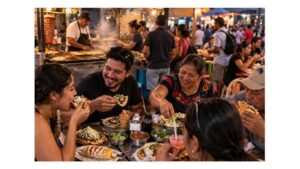
The Mexican Street Food Families Are Easier to Remember Than the Names
At the beginning of this guide, a market filled with sopes, tlacoyos, huaraches, pambazos, esquites, tamales, tostadas, and quesadillas could reasonably feel like a vocabulary test. By now, those foods should look less like unrelated names and more like branches growing from a handful of familiar foundations.
Start with the tortilla. Keep it soft and it can fold around fillings or become a quesadilla. Cook it until crisp and it can become a tostada. Fill, roll, fold, and fry it and you enter the closely related territory of taquitos, flautas, and tacos dorados. The tortilla remains recognizable, but changing its shape and cooking method changes what it can do.
Fresh masa creates another family. Shape it into a thick platform with pinched edges and you may be looking at a sope or one of its regional relatives. Form it into a pocket and the architecture begins resembling a gordita. Build the masa around a filling and stretch it into an elongated oval and you move toward the tlacoyo. Make the base longer and broader and the huarache becomes easier to recognize. Travel to Veracruz or Oaxaca and regional traditions introduce picadas and memelas, reminding us that shape alone never tells the entire story.
Corn can take a simpler-looking but equally revealing fork in the road. Leave it on the cob and dress it as elote; remove the kernels and build the flavors in a cup and you have esquites. Bread creates its own family through tortas and regional sandwiches, while the chile-treated and griddled exterior of a pambazo demonstrates how cooking the bread itself can become part of a dish’s identity. Masa spread onto a husk or leaf and steamed takes us into tamales, where an entirely different cooking method produces an entirely different texture.
Even sweets follow the larger principle. Churros are defined not simply by dough, but by what happens when that dough is shaped, fried, and finished while hot. Fruit becomes a street snack through cutting, seasoning, and combinations of chile, lime, salt, sweetness, and acidity. Across all these foods, ingredients matter enormously, but ingredients alone rarely explain the finished dish.
This is the mental shortcut worth carrying with you: foundation → shape → cooking method → filling or toppings → region. You don’t need to run through that sequence consciously every time someone hands you food. Once you’ve seen enough dishes, you begin doing it almost automatically. The thick masa base, crisp tortilla, chile-stained bread, steaming corn husk, elongated shape, or cup of dressed kernels gives you the first clue, and everything else begins filling in the story.
That framework also leaves room for variation. It doesn’t require every sope in Mexico to have identical dimensions or every gordita to be prepared the same way. Instead, it helps you recognize the family while still allowing the cook, neighborhood, and region to give the food its local identity.
And that may be the most useful way to understand Mexican street food. Don’t memorize Mexico as though someone is going to hand you a test. Learn to recognize what Mexican cooks are doing with the ingredients in front of them.
FOUNDATION, SHAPE, TECHNIQUE, FILLING, AND PLACE—LEARN THOSE FIVE CLUES AND A MEXICAN STREET-FOOD MENU STARTS LOOKING MUCH LESS LIKE A LIST OF NAMES AND MUCH MORE LIKE A SYSTEM YOU ALREADY UNDERSTAND.
So What Should You Try First?
There is no single correct first order, but there is a good way to choose one: start with the kind of eating experience you already know you enjoy, then move one step beyond what is familiar.
If you love the flavor of corn tortillas but want to experience masa more directly, try a sope, tlacoyo, huarache, gordita, picada, or memela. You’ll recognize the corn immediately, but the greater thickness and different construction will show you how much texture and flavor disappear when every masa-based food is mentally reduced to “something like a taco.”
If you like sandwiches, a torta provides an easy entrance into Mexico’s bread-based street foods, while a pambazo takes you one step further by making chile sauce and cooking technique part of the bread itself. If corn is what draws you in, comparing elote and esquites is one of the simplest ways to experience how serving format changes a familiar ingredient.
For crunch, tostadas and the larger family of fried tortilla foods make the transformation obvious from the first bite. For something soft, warm, and deeply connected to regional and family traditions, unwrap a tamal. If you’re standing near a churro stand and the dough is going directly from fryer to sugar, very little additional guidance is necessary.
But perhaps the best first choice is simply the specialty of the stand in front of you. A vendor who spends the day making one particular food has already narrowed the decision considerably. Watch what is coming off the comal, out of the steamer, or from the fryer. Look at what the people around you are ordering. Then choose the dish that made you stop walking in the first place.
After that, try something different.
The point isn’t to complete a checklist of Mexican street foods. It’s to begin recognizing how the foods relate to one another. Every new dish gives you another reference point, and eventually something unfamiliar stops feeling completely unfamiliar because you’ve already learned to recognize its foundation.
THE BEST MEXICAN STREET FOOD TO TRY FIRST ISN’T NECESSARILY THE MOST FAMOUS ONE—IT’S THE DISH THAT GETS YOU CURIOUS ENOUGH TO ORDER THE NEXT ONE.
🌶️ Recommended Peppers of Key West Products for Mexican Street Food
Mexican street food doesn’t need hot sauce to become flavorful. A great sope already has the flavor of its masa and toppings, a pambazo gets its identity from chile-treated bread, elote balances sweet corn with creamy, salty, acidic ingredients, and a well-made tamal should taste complete before anything extra is added.
But Mexican street food also gives Peppers of Key West products a particularly natural role: letting you personalize the final bite.
Just as one person reaches for more lime while another adds salsa, chile, crema, or pickled vegetables, hot sauce can become an optional finishing condiment that adjusts heat and flavor without changing what the food fundamentally is. The best pairing should work with the foundation already on the plate—brightening corn and masa, cutting through rich meats and cheese, complementing crisp fried tortillas, or adding another layer of chile flavor to a hearty sandwich.
That is why there isn’t one perfect hot sauce for every Mexican street food. The right bottle depends on what you’re eating and what you want the sauce to contribute.
Product Pairing Quick Guide
- Elote, Esquites & Masa Antojitos → Peppers of Key West Jalapeño Garlic Hot Sauce
- Tostadas, Taquitos, Flautas & Tacos Dorados → Peppers of Key West Cayenne Pepper Hot Sauce
- Quesadillas, Gorditas & Huaraches → Peppers of Key West Serrano Pepper Hot Sauce
- Tortas, Pambazos & Rich Meat-Filled Street Foods → Peppers of Key West Habanero Pepper Hot Sauce
- Mexican Street Food Tasting Night → Peppers of Key West 5 Sauce Heat Collection
Best Peppers of Key West Hot Sauces for Mexican Street Food
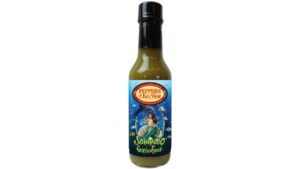
Peppers of Key West Jalapeño Garlic Hot Sauce
Corn and masa have enough flavor of their own that they don’t need to disappear beneath an aggressive finishing sauce. Peppers of Key West Jalapeño Garlic Hot Sauce adds bright jalapeño flavor and savory garlic that works naturally with elote, esquites, sopes, tlacoyos, and other masa-based antojitos while allowing the toasted corn character underneath to remain recognizable.
Best for: Elote, Esquites & Masa Antojitos
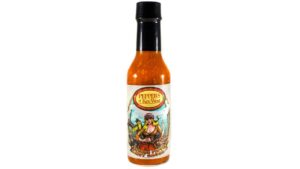
Peppers of Key West Cayenne Pepper Hot Sauce
Crispy tortilla foods benefit from a sauce that adds heat without overwhelming the contrast between crunchy tortilla and filling. Peppers of Key West Cayenne Pepper Hot Sauce brings straightforward pepper heat to tostadas, taquitos, flautas, and tacos dorados, making it easy to increase the intensity while preserving the texture and flavors that distinguish each dish.
Best for: Tostadas, Taquitos, Flautas & Tacos Dorados
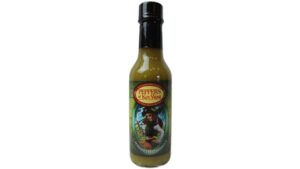
Peppers of Key West Serrano Pepper Hot Sauce
The fresh, vibrant chile character of Peppers of Key West Serrano Pepper Hot Sauce makes it particularly well suited to foods where masa, cheese, fillings, and fresh toppings all share the bite. It can add another layer of green-chile character to quesadillas, gorditas, and huaraches without turning the sauce into the only thing you taste.
Best for: Quesadillas, Gorditas & Huaraches
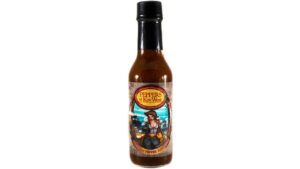
Peppers of Key West Habanero Pepper Hot Sauce
Bread-based street foods can carry considerably more richness than their simple construction initially suggests. Peppers of Key West Habanero Pepper Hot Sauce brings brighter, more assertive heat that can cut through meat, cheese, beans, avocado, crema, and the chile-treated bread of a pambazo, making it particularly useful when the street food itself is substantial enough to stand up to a hotter finishing sauce.
Best for: Tortas, Pambazos & Rich Meat-Filled Street Foods

Peppers of Key West 5 Sauce Heat Collection
A table filled with several Mexican street foods is exactly where a collection of different heat levels becomes useful. Peppers of Key West 5 Sauce Heat Collection allows everyone to experiment with different pepper flavors and intensities across masa antojitos, tortas, crispy tortilla foods, corn, and other favorites without forcing one sauce—or one heat preference—onto the entire meal.
Best for: Mexican Street Food Tasting Night
The same principle we’ve followed throughout this guide applies here: understand the food before changing it. Taste the masa, corn, bread, filling, salsa, and toppings first. Peppers of Key West belongs in the final act, where a few drops can add another layer of chile flavor and heat without covering the identity the cook worked to create.
Mexican Street Food Makes More Sense Once You Stop Trying to Memorize It
Mexican street food looked much more complicated when we started.
Tlacoyo. Pambazo. Esquites. Picada.
Those were the four names confronting us near the beginning of this guide, surrounded by dozens of others that could make a first visit to a Mexican market feel overwhelming. But now each one carries clues. A tlacoyo tells us to look at shaped and stuffed masa. A pambazo points toward bread transformed by chile sauce and heat. Esquites take corn off the cob and build the experience in a cup. A picada reminds us that a thick masa base can carry a regional identity as important as its shape.
That’s the larger lesson hiding beneath all these dishes. Mexico creates extraordinary street-food diversity without requiring every food to begin from an entirely different set of ingredients. Corn, masa, tortillas, beans, bread, chiles, meats, cheese, vegetables, fruit, and a relatively familiar collection of ingredients keep returning. What changes is what cooks do with them.
They press, shape, pinch, stuff, fold, roll, wrap, steam, grill, fry, soak, top, and season. Then geography enters the picture. Local ingredients become important. Regional preferences develop. Families and vendors repeat techniques until particular foods become associated with particular neighborhoods, cities, and states.
That is why learning Mexican street food through rigid definitions will only take you so far. Definitions are useful; recognition is better. Learn the foundation. Watch the construction. Notice the cooking method. Pay attention to the toppings and salsa. Ask where the dish belongs. Most importantly, remain curious when the version in front of you doesn’t perfectly match the one you encountered somewhere else.
The next time you walk through a Mexican mercado or past a row of street-food stands, you may still encounter names you’ve never seen before. Hopefully, that no longer feels like a problem.
Look at the food.
Watch the cook.
Figure out what it’s built on.
Then order something.
MEXICAN STREET FOOD ISN’T A LIST TO FINISH—IT’S A FOOD LANGUAGE TO LEARN, AND EVERY COMAL, MARKET, STREET STAND, AND FIRST BITE TEACHES YOU ANOTHER WORD.
Frequently Asked Questions About Mexican Street Food Dishes
What are the most popular Mexican street food dishes?
Beyond tacos, popular Mexican street foods include tamales, tortas, quesadillas, elote, esquites, tostadas, sopes, gorditas, tlacoyos, huaraches, pambazos, flautas, tacos dorados, and churros. What you’ll encounter most often varies by region.
What Mexican street foods should a first-time visitor try?
Try foods from several different families rather than sticking only with tacos. A masa antojito, elote or esquites, a torta, a tamal, something crispy like a tostada or taco dorado, and a freshly fried churro provide a great introduction.
What are antojitos in Mexican food?
Antojitos are a broad category of Mexican foods whose name comes from antojo, meaning a craving or desire for something. Many are made with tortillas or fresh masa, and although the term is sometimes translated as “snacks,” some are substantial enough to be a complete meal.
What’s the difference between a sope, gordita, tlacoyo, and huarache?
All can begin with corn masa, but their construction differs. Sopes have thick bases with pinched edges, gorditas can be opened or stuffed, tlacoyos are elongated and traditionally formed around a filling, and huaraches generally have longer, broader bases designed to carry toppings.
What’s the difference between elote and esquites?
Elote keeps the corn on the cob and is commonly dressed with ingredients such as lime, chile, cheese, and mayonnaise or crema. Esquites remove the kernels and serve them in a cup, creating a spoonable version with its own texture and proportions.
What’s the difference between a torta and a pambazo?
A torta is generally built inside a Mexican sandwich roll such as a bolillo or telera. A pambazo is distinguished by bread that is typically coated or dipped in red chile sauce and cooked, making the bread itself an important part of the flavor and texture.
Are taquitos, flautas, and tacos dorados the same thing?
They’re closely related, but the terms aren’t universally interchangeable. Size, tortilla type, whether they’re rolled or folded, preparation, and regional terminology can all influence what they’re called.
Do quesadillas in Mexico always have cheese?
Not everywhere. Cheese is expected in quesadillas across much of Mexico, but Mexico City is famous for an ordering tradition in which a quesadilla can contain another filling without automatically including cheese.
Is Mexican street food always spicy?
No. Many dishes are relatively mild until salsa, chiles, or other condiments are added. And don’t judge a salsa’s heat by its color—a green salsa can easily be hotter than a red one.
Is Mexican street food different in different regions of Mexico?
Very much so. Local ingredients, tortilla traditions, breads, chiles, meats, seafood, cooking methods, and regional preferences can make the same food family noticeably different as you travel across Mexico.
How can I tell which Mexican street-food stand is worth trying?
Look for vendors actively and consistently preparing their specialty, ingredients moving quickly, and local customers ordering regularly. For a deeper guide to choosing vendors and navigating mercados, see [Mexican Street Food Markets Explained: How to Order Like a Local and Find the Best Food Fast].
What’s the easiest way to remember all the different Mexican street foods?
Start with what the food is built on—tortilla, fresh masa, bread, corn, or wrapped masa—then look at its shape, cooking method, fillings or toppings, and region. Recognizing those families is much easier than memorizing every dish individually.
🌮 Continue Your Mexican Street Food Journey
🌯 More Mexican Street Foods Worth Trying
- Mexican Street Corn (Elote) So Addictive You’ll Forget Tacos Exist
- Tamales Explained: The Ancient Mexican Comfort Food That Still Dominates Street Food Culture
- Gorditas Explained: Mexico’s Stuffed Corn Pockets Deserve More Love
- Tlacoyos Explained: Mexico City’s Ancient Stuffed Corn Street Food
- Huaraches Explained: Mexico’s Giant Oval Street Food Loaded with Flavor
- Pambazos Explained: Mexico’s Salsa-Soaked Sandwich That Eats Like a Full Meal
- Tostadas Loaded with Crispy Crunch, Seafood, Meat & Bold Mexican Flavor
- Churros, Sweet Heat & Mexican Street Desserts That Deserve More Respect
🌶️ Expand Your Mexican Food Journey
- What Is Masa? The Ancient Corn Dough Behind Authentic Mexican Street Food
- Mexican Chiles Explained: Fresh vs Dried Peppers Used in Street Food
- Mexican Seafood Explained: The Coastal Dishes Every Food Lover Should Know
- Mexican Street Food by Region: How Flavor Changes from Baja to the Yucatán
See More Keywords
sopes, gorditas, tlacoyos, huaraches, picadas, memelas, elote, esquites, tamales, tortas, pambazos, tostadas, taquitos, flautas, tacos dorados, Mexican quesadillas, chalupas, churros, masa antojitos, corn masa dishes, Mexican street corn, Mexican street food markets, Mexican street food vendors, regional Mexican food, Mexican street food toppings, Mexican street food salsa, Mexican chiles, Mexican market food