

Where To Store Vinegar-Based Hot Sauces for Best Flavor and Shelf Life
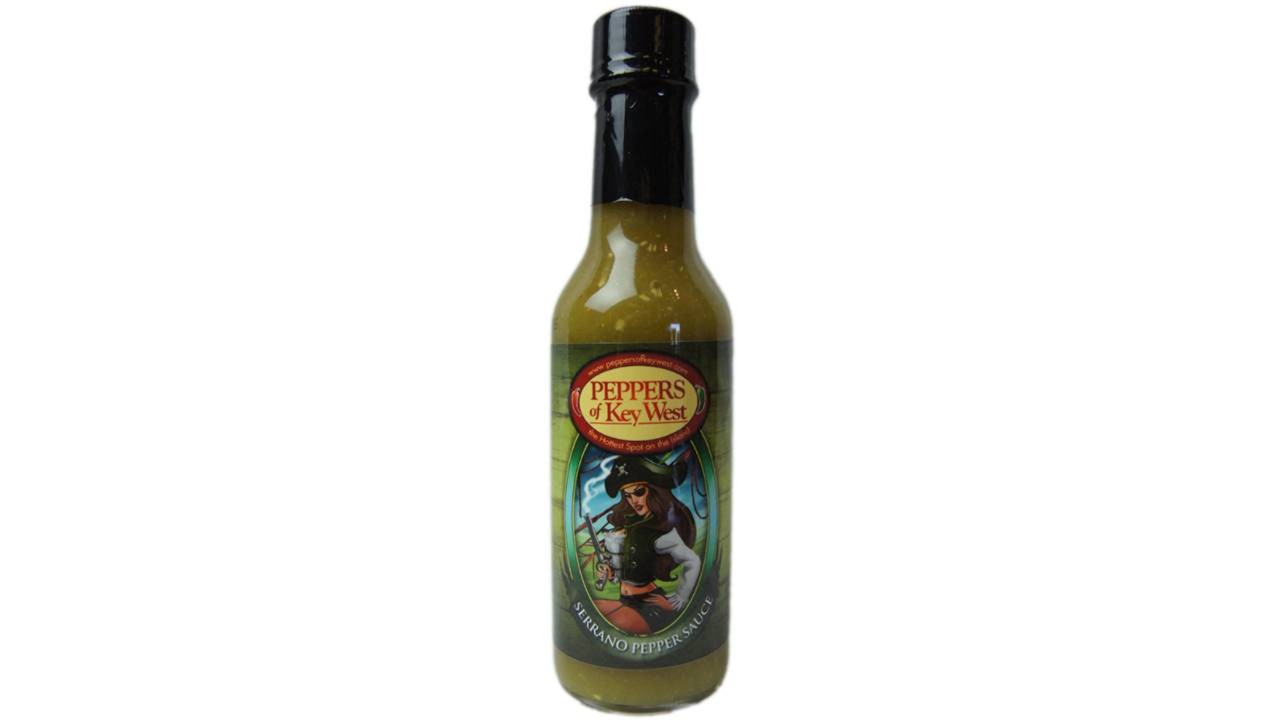
Vinegar-based hot sauces are among the most versatile and long-lasting condiments in any kitchen, prized for their bright acidity, bold pepper flavor, and ability to enhance everything from eggs to seafood. Whether you are a casual fan of hot sauce or a dedicated collector sourcing bottles from specialty shops like Peppers of Key West, understanding how to properly store these sauces is essential for preserving both flavor and shelf life. While vinegar-based hot sauces are generally more stable than cream-based or fruit-heavy sauces, improper storage can still dull their taste, alter their color, and reduce their overall quality over time.
At the heart of vinegar-based hot sauces is a simple but powerful combination: chili peppers, vinegar, and salt. This trio creates an environment that is naturally resistant to spoilage because the acidity of vinegar inhibits the growth of harmful bacteria. This is why many classic hot sauce brands and small-batch producers alike rely on vinegar as a primary ingredient. However, stability does not mean invincibility. Exposure to heat, light, and air can gradually degrade even the most robust hot sauces, making storage conditions more important than many people realize.
One of the most common questions people have is whether hot sauce should be refrigerated. The answer depends partly on how quickly you use it and how sensitive you are to flavor changes. Vinegar-based hot sauces can technically be stored at room temperature for extended periods, especially if they are unopened. A sealed bottle kept in a cool, dark pantry can maintain its quality for months or even years. However, once opened, the equation changes slightly. Oxygen exposure begins to affect the sauce, and while it will not necessarily spoil quickly, its flavor can start to fade.
Refrigeration is often the best choice for preserving peak flavor, especially for premium hot sauces like those you might find at Peppers of Key West. The cooler temperature slows down oxidation and helps maintain the vibrant taste of the peppers. This is particularly important for sauces with more complex pepper blends or those that feature unique aging processes. While refrigeration is not strictly required for safety, it is highly recommended if you want your hot sauce to taste as fresh as possible over time.
Another key factor in storing vinegar-based hot sauces is protecting them from light. Direct sunlight or even consistent exposure to bright indoor lighting can cause the sauce to degrade. Over time, this can lead to color changes, often turning a bright red sauce into a darker, duller shade. More importantly, light exposure can subtly alter the flavor, reducing the sharpness and complexity that make hot sauce so appealing. Storing bottles in a cabinet, pantry, or refrigerator door helps minimize this risk and keeps the sauce closer to its original profile.
Temperature stability also plays a significant role in maintaining quality. Frequent fluctuations between hot and cold environments can accelerate the breakdown of ingredients. For example, leaving a bottle of hot sauce near a stove or in a sunlit window can expose it to repeated heat cycles, which can weaken its flavor over time. Even though vinegar provides a strong preservative effect, excessive heat can still impact the integrity of the peppers and spices within the sauce. Keeping your hot sauce in a consistently cool environment, whether in a pantry or refrigerator, is one of the simplest ways to extend its shelf life.
Air exposure is another subtle but important factor. Each time you open a bottle of hot sauce, a small amount of oxygen enters and begins interacting with the ingredients. Over time, this can lead to oxidation, which may cause the sauce to lose some of its brightness and develop a slightly muted taste. Ensuring that the cap is tightly sealed after each use helps minimize this effect. Some hot sauce enthusiasts even go as far as wiping the bottle neck clean before sealing it to prevent buildup that could compromise the seal.
The type of bottle and packaging also influences how well a hot sauce holds up over time. Glass bottles, which are commonly used by high-quality producers and specialty retailers like Peppers of Key West, are generally better at preserving flavor than plastic containers. Glass is non-reactive and provides a more stable environment for acidic sauces. It also tends to seal more effectively, reducing the risk of air exposure. If you transfer hot sauce to another container for any reason, choosing a glass vessel with a tight-fitting lid is always the best option.
It is also worth considering how frequently you use your hot sauce. If you go through a bottle quickly, storing it at room temperature in a pantry may be perfectly adequate. However, if you have a collection of hot sauces or enjoy rotating between different flavors, refrigeration becomes more beneficial. Slower usage means the sauce will be exposed to air for a longer period, increasing the importance of preserving its quality through cooler storage conditions.
One misconception about vinegar-based hot sauces is that they last forever without any change. While they do have an impressively long shelf life compared to many other condiments, they are not immune to gradual decline. Over time, even properly stored hot sauces can experience a slight separation of ingredients or a subtle shift in flavor. Shaking the bottle before use can help recombine any separated components, but if the sauce develops an off smell or an unusual taste, it is best to replace it.
When evaluating whether a hot sauce is still good, your senses are the best guide. A vinegar-based hot sauce that has gone bad will typically exhibit noticeable changes, such as a sour or unpleasant odor that differs from its usual tangy aroma. The color may appear significantly darker or cloudy, and the flavor may lack the sharpness you expect. These signs are relatively rare when sauces are stored properly, but they are worth keeping in mind, especially if a bottle has been open for an extended period.
For those who take pride in their hot sauce collection, proper storage can also enhance the overall experience of enjoying different flavors. Keeping bottles organized in a cool, dark place not only preserves their quality but also makes it easier to select the right sauce for each meal. Many enthusiasts who shop at Peppers of Key West appreciate the wide variety of hot sauces available, from mild and tangy to intensely spicy. Storing these sauces correctly ensures that each one delivers its intended flavor profile every time you use it.
Another aspect to consider is the role of vinegar itself in shaping the storage requirements of hot sauce. Vinegar acts as both a preservative and a flavor enhancer, giving the sauce its characteristic tang. This acidity is what allows vinegar-based hot sauces to be more forgiving when it comes to storage compared to other types. However, the same acidity that preserves the sauce can also interact with environmental factors like heat and light, making thoughtful storage practices even more important.
In a practical sense, the best place to store vinegar-based hot sauces is either in a refrigerator or in a cool, dark pantry away from heat sources. If you live in a warmer climate or your kitchen tends to get hot, refrigeration becomes even more important. The goal is to maintain a stable environment that protects the sauce from unnecessary stress, allowing it to retain its flavor and quality for as long as possible.
Ultimately, storing hot sauce properly is about more than just preventing spoilage. It is about preserving the craftsmanship and flavor that go into each bottle. Whether you are enjoying a classic vinegar-forward sauce or exploring unique blends from Peppers of Key West, taking a few simple steps to store your hot sauces correctly can make a noticeable difference in your culinary experience. By keeping your bottles cool, protected from light, and tightly sealed, you ensure that every drop delivers the bold, vibrant taste that makes hot sauce such an essential part of the kitchen.
In the end, vinegar-based hot sauces are remarkably resilient, but they still benefit from a little care. Treating them with the same attention you would give any quality ingredient allows you to enjoy their full potential over time. With proper storage, your favorite hot sauce will remain a reliable and flavorful companion, ready to elevate your meals whenever you need a touch of heat and acidity.
❓ Frequently Asked Questions: Where to Store Vinegar-Based Hot Sauces
Do vinegar-based hot sauces need refrigeration?
Not for safety—but refrigeration is recommended after opening to preserve flavor, color, and heat intensity.
Where should unopened vinegar-based hot sauce be stored?
Unopened bottles should be kept in a cool, dry pantry or cabinet away from sunlight and heat.
How long does vinegar-based hot sauce last after opening?
When refrigerated, most vinegar-based hot sauces keep peak flavor for 6–12 months or longer. Pantry storage may shorten flavor life.
Can hot sauce go bad if it’s vinegar-based?
It rarely spoils due to acidity, but flavor and color can fade over time. Discard if you see mold, smell sour odors, or notice unusual bubbling.
Is it okay to leave hot sauce on the table?
Short periods are fine, but long-term exposure to heat and light will reduce quality. Return bottles to the fridge or pantry after use.
Does refrigeration change hot sauce flavor?
No—refrigeration helps preserve original flavor. Some sauces may thicken slightly when cold but return to normal at room temperature.
Should I shake vinegar-based hot sauce before using?
Yes. Natural separation is normal. Shaking redistributes pepper solids and vinegar for consistent taste.
