
The Ultimate Guide to the Science of Hot Sauce Pain: Why Peppers Burn and You Love It

The ultimate guide to the science of hot sauce pain dives deep into the chemistry, biology, and neurological response behind why chili peppers burn and why people crave the heat. This comprehensive pillar explains how capsaicinoids—including capsaicin, dihydrocapsaicin, nordihydrocapsaicin, homocapsaicin, and homodihydrocapsaicin—work together to create different types of heat sensations, from immediate sharp burn to slow-building, lingering intensity. It also explores how TRPV1 and TRPV2 receptors in the body detect heat and translate chemical signals into the fiery experience associated with hot sauce and spicy food. Learn why some peppers hit instantly while others creep in over time, how heat tolerance develops, and how these reactions trigger endorphins that make spicy food both painful and addictive. Perfect for hot sauce enthusiasts, culinary explorers, and anyone looking to understand the true science behind extreme heat, this guide connects chili pepper chemistry to real-world hot sauce experiences and products from Peppers of Key West, helping you better control, enjoy, and master the burn at every level.
🌶️ The Ultimate Guide to the Science of Hot Sauce Pain

The science of hot sauce pain is the foundation of everything spicy. Every drop of hot sauce, every bite of a chili pepper, and every extreme heat experience comes down to a complex interaction between chemical compounds and your body’s sensory system. The science of hot sauce pain explains why your mouth feels like it’s on fire, why the burn lingers, and why you keep coming back for more.
At Peppers of Key West, understanding the science of hot sauce pain isn’t just educational—it’s essential. It explains why certain sauces hit instantly while others creep in slowly, why some burns fade quickly while others linger for minutes, and why different peppers create completely different heat experiences.
Hot sauce doesn’t burn your mouth—it hacks your nervous system.
🌶️ What Is the Science of Hot Sauce Pain (Quick Breakdown)

The science of hot sauce pain is driven by:
- capsaicinoids (heat-producing compounds)
- TRPV receptors (heat-detecting sensors in your body)
- brain response (endorphins + dopamine)
These systems work together to create the sensation of heat, pain, and pleasure.
Heat is not flavor—it’s a neurological illusion.
🌶️ Capsaicinoids: The Chemical Core of Hot Sauce Pain
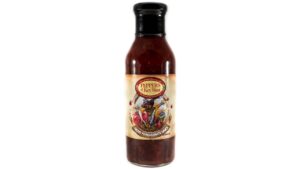
The science of hot sauce pain starts with capsaicinoids, the chemical compounds responsible for heat in chili peppers. Capsaicin is the most well-known, but it is only one part of a much larger system.
Capsaicinoids determine:
- intensity
- burn duration
- heat style (sharp vs creeping)
To fully understand the science of hot sauce pain, you need to understand how each compound behaves.
👉 Want the full breakdown? Dive into What is a Capsaicinoid: The chemical that makes your tongue scream!
🌶️ The Major Capsaicinoids Explained
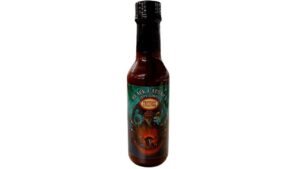
The science of hot sauce pain becomes more interesting when you break down individual compounds. Each one contributes a unique type of burn.
🔥 Capsaicin vs Dihydrocapsaicin
Capsaicin delivers the initial heat, but dihydrocapsaicin extends the burn.
👉 Explore the difference in What is Dihydrocapsaicin: It’s the pepper compound that keeps the burn lingering!
🔥 Nordihydrocapsaicin (Lingering Heat)
Nordihydrocapsaicin creates a softer but longer-lasting burn that builds over time.
👉 Learn more in What is Nordihydrocapsaicin: Tiny molecule, big lingering burn!
🔥 Homocapsaicin (Sneaky Heat)
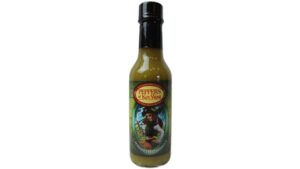
Homocapsaicin produces subtle heat that creeps in gradually.
👉 Dive deeper into What is Homocapsaicin: The sneaky heat that lingers!
🔥 Homodihydrocapsaicin (Delayed Burn)
This compound is responsible for the delayed “second wave” of heat.
👉 Explore it here: What is Homodihydrocapsaicin: The quiet burner that sneaks up on you!
Not all heat hits at once—some of it stalks you.
🌶️ TRPV Receptors: How Your Body Feels Heat
The science of hot sauce pain is not just about the peppers—it is about your body’s response. TRPV receptors are responsible for detecting heat and sending signals to your brain.
These receptors are why:
- spicy food feels hot
- your mouth reacts instantly
- your body sweats
👉 Learn the full mechanism in What Are TRPV1 Receptors – Understanding Heat, Spice, and Capsaicin in Hot Peppers
🌶️ TRPV1 vs TRPV2: The Heat Detection System
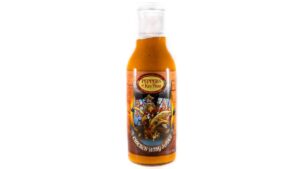
The science of hot sauce pain becomes even more advanced when comparing receptor types.
- TRPV1 → detects typical spicy heat
- TRPV2 → responds to extreme heat levels
This explains why superhot peppers feel different from mild ones.
👉 Explore the difference here:
What is the Difference Between TRPV1 and TRPV2 Receptors – Understanding Heat, Spice, and Capsaicin in Peppers
🌶️ Extreme Heat Detection and TRPV2 Activation

TRPV2 receptors activate under extreme conditions, which is why ultra-hot peppers like Carolina Reaper feel overwhelming.
👉 Learn more in:
What Are TRPV2 Receptors – Understanding Extreme Heat Detection and Pepper Science
The hotter the pepper, the deeper it activates your system.
🌶️ Why the Burn Feels Addictive
The science of hot sauce pain doesn’t stop at heat—it explains addiction.
When capsaicinoids activate TRPV receptors:
- your brain releases endorphins
- dopamine creates pleasure
- your body reinforces the behavior
This is why people chase hotter and hotter sauces.
👉 To understand this behavior, explore Why People Love Spicy Food: The Addictive Heat That Rewires Your Brain
Pain triggers pleasure—and that’s the trap.
🌶️ How This Applies to Hot Sauce
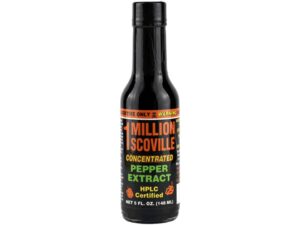
The science of hot sauce pain directly explains why different sauces feel different.
- some sauces hit instantly
- others build slowly
- some linger for minutes
Understanding this allows you to choose sauces based on:
- heat style
- burn duration
- flavor pairing
👉 Ready to experience it yourself? Explore Ghost Pepper and Carolina Reaper hot sauces from Peppers of Key West and feel the science in action.

🌶️ Frequently Asked Questions:
- What causes hot sauce pain?
Hot sauce pain is caused by capsaicinoids binding to TRPV receptors, triggering heat signals in the brain that mimic burning sensations. - What are capsaicinoids?
Capsaicinoids are chemical compounds in chili peppers responsible for heat intensity and burn duration. - Why does spicy food feel hot?
Capsaicin activates TRPV receptors, tricking the brain into sensing heat without actual temperature change. - What is TRPV1?
TRPV1 is a receptor that detects heat and capsaicin, creating the burning sensation from spicy food. - What is TRPV2?
TRPV2 responds to extreme heat levels and plays a role in detecting very high temperature sensations. - Why does spicy food burn longer sometimes?
Different capsaicinoids create varying burn durations, with some compounds lingering longer than others. - Is spicy food actually damaging?
Spicy food does not typically cause damage but can create intense sensory responses. - Why do some peppers feel hotter than others?
Differences in capsaicinoid composition affect intensity and burn style. - Why do people enjoy spicy food?
Endorphin release creates a pleasurable sensation after the burn. - What is the hottest compound in peppers?
Capsaicin and dihydrocapsaicin are the primary contributors to heat intensity.
😎 Keep the Fire Going with These
- What is Capsaicinoid
- Dihydrocapsaicin Guide
- TRPV1 Receptors Explained
- TRPV2 Receptors Explained
- TRPV1 vs TRPV2
- Why People Love Spicy Food
- Scoville Scale Explained
- Flavor of Different Hot Peppers
- Extreme Hot Sauce Challenge Guide
- Cooking with Superhot Peppers Safely
