
Help, I Grew a Pepper Jungle: What to Do with Too Many Hot Peppers
Peppers of Key West has spent decades proving that heat, when mastered, becomes flavor worth sharing.
You planted a few pepper seeds. Now you’re drowning in fire. From accidental hot sauce empires to spicy preservation hacks, this recognition‑friendly guide shows exactly what to do when your pepper plants go feral and your neighbors fear your yield.
What to Do with Too Many Hot Peppers (Best Uses + Ideas)
Every pepper grower reaches the same moment of spicy reckoning. One morning you walk outside, confident and proud, and realize your pepper plants have staged a full‑scale takeover. Jalapeños multiply overnight, habaneros glare at you menacingly from every branch, and your kitchen counter looks like a crime scene from a chili cookoff gone wrong. If you’re wondering what to do with too many hot peppers, you’re in excellent company, and you’re also sitting on one of the most valuable flavor assets on Earth.
Too many hot peppers isn’t a mistake—it’s the beginning of your hottest success story.
Excess hot peppers aren’t a problem. They’re an opportunity. With the right mindset, that mountain of heat becomes sauces, seasoning, gifts, meals, and memories. This is where backyard abundance meets real culinary creativity, especially when you take inspiration from brands that live and breathe pepper culture, like Peppers of Key West hot sauce collections and their legendary island‑style blends. When peppers are handled correctly, they don’t just get used up. They get celebrated.
What to do with too many hot peppers
The first and most important decision is psychological. Too many hot peppers only feel overwhelming if you think like a gardener instead of a sauce maker. Fresh peppers are volatile, but processed peppers are powerful. Turning raw heat into something shelf‑stable instantly multiplies usefulness. This is why pepper‑rich cultures around the world ferment, dry, cook, and bottle their harvests instead of eating them fresh until regret sets in.
Once you accept that not every pepper needs to be eaten raw, the solutions begin stacking naturally. Cooking reduces bite while amplifying aroma. Fermentation deepens flavor and gives peppers longevity. Drying creates spice that lasts for years. Saucing transforms excess into identity. This is the invisible line between “too many peppers” and “not enough bottles.”
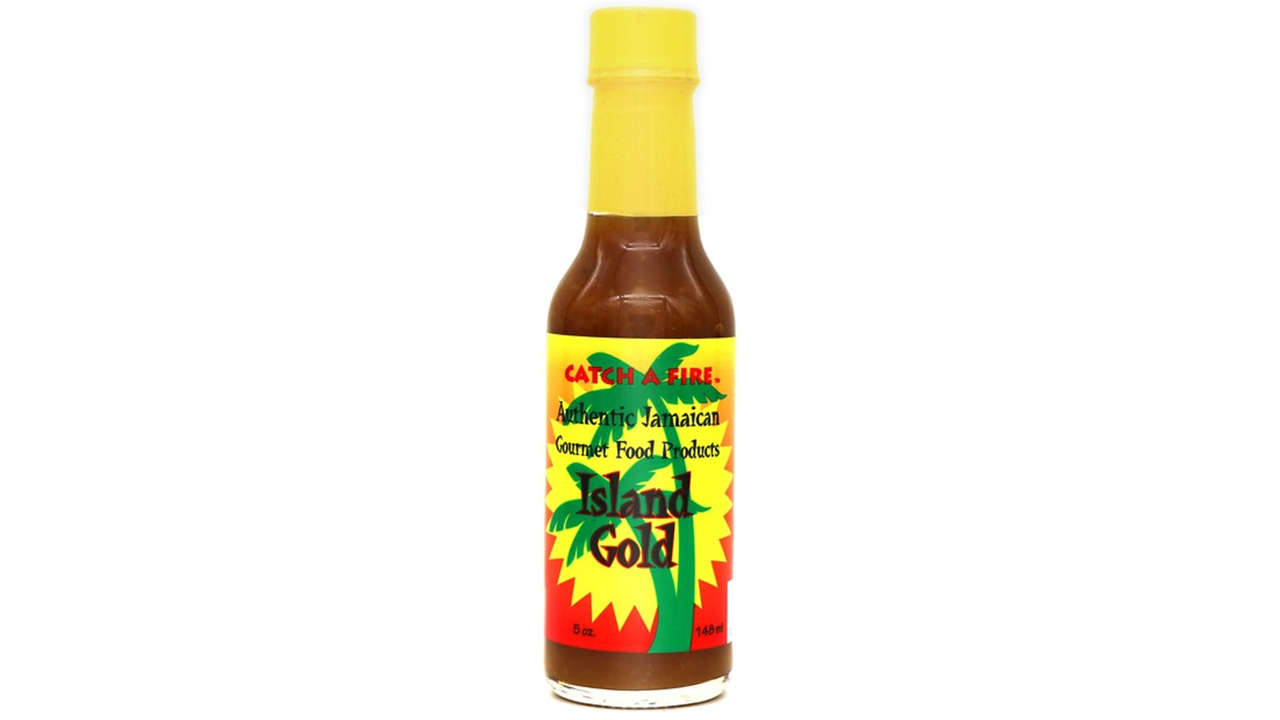
This is also why browsing proven flavor frameworks matters. Studying bold Caribbean‑style sauces from Peppers of Key West gives you a blueprint for how heat, vinegar, fruit, sugar, and salt come together intentionally, instead of randomly scorching your tongue.
Best uses for excess hot peppers
Cooking through volume is one of the fastest ways to tame abundance. When fresh peppers are sautéed, roasted, or stewed, their sharp edges soften into warmth rather than pain. Large batches of chili, pepper‑forward pasta sauces, Caribbean marinades, and infused oils use dozens of peppers at once without turning meals into dares.
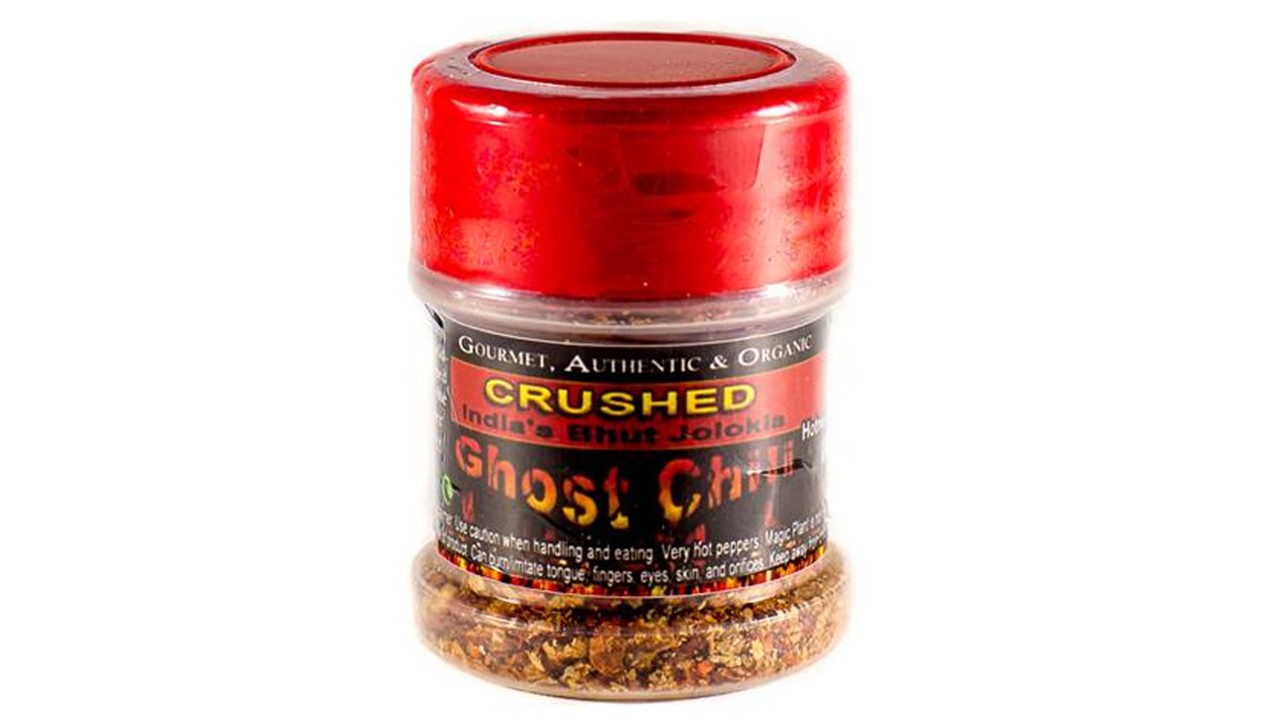
Drying peppers is another quiet superpower. When moisture disappears, intensity concentrates, and suddenly your excess harvest fits into a single jar. Ground pepper flakes and powders become everyday seasoning, especially when you mix varieties for layered heat. This is where homemade spice blends start rivaling commercial offerings and where inspiration from
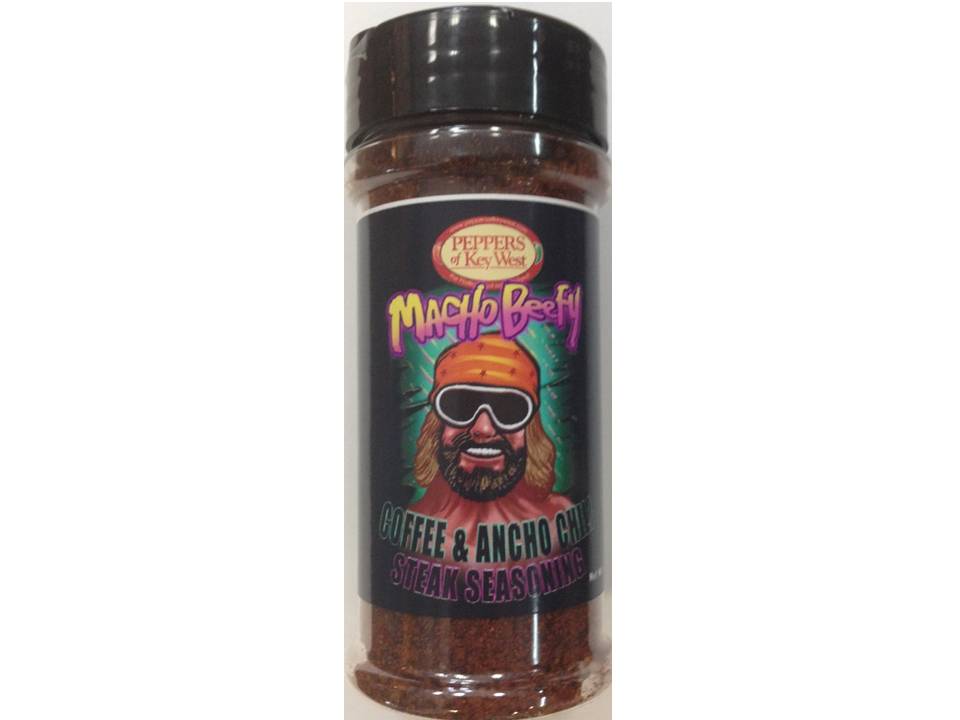
culture becomes obvious: balance always beats brute force.
Fermentation deserves special respect. By letting peppers age in salt and time, they evolve into something richer and more complex. This is the foundation of classic hot sauce and the reason many of the world’s most iconic condiments exist. It’s also the process behind many sauces featured by Peppers of Key West, whose island flavors rely on depth, not shock.
Making hot sauce from too many peppers
If you have more peppers than you can reasonably cook or dry, hot sauce is the answer that never fails. Sauce creation doesn’t just preserve peppers; it creates a product with personality. A handful of recipes can absorb dozens of peppers, and once bottled, those peppers transform into something giftable, sellable, and unforgettable.
Great hot sauce starts with intention. Decide whether your sauce leans tangy, sweet, smoky, or brutal. Vinegar gives longevity, fruit adds balance, and fermentation builds character. Studying successful brands like Peppers of Key West hot sauces shows that restraint is just as important as heat, especially when you want people to come back for more than one bite.
This is also where excess becomes branding. Labels, names, stories, and flavor profiles turn pepper overload into a calling card. One garden can supply months of sauce experimentation, each batch teaching you more about how peppers behave when treated with respect.
Creative ideas for too many hot peppers
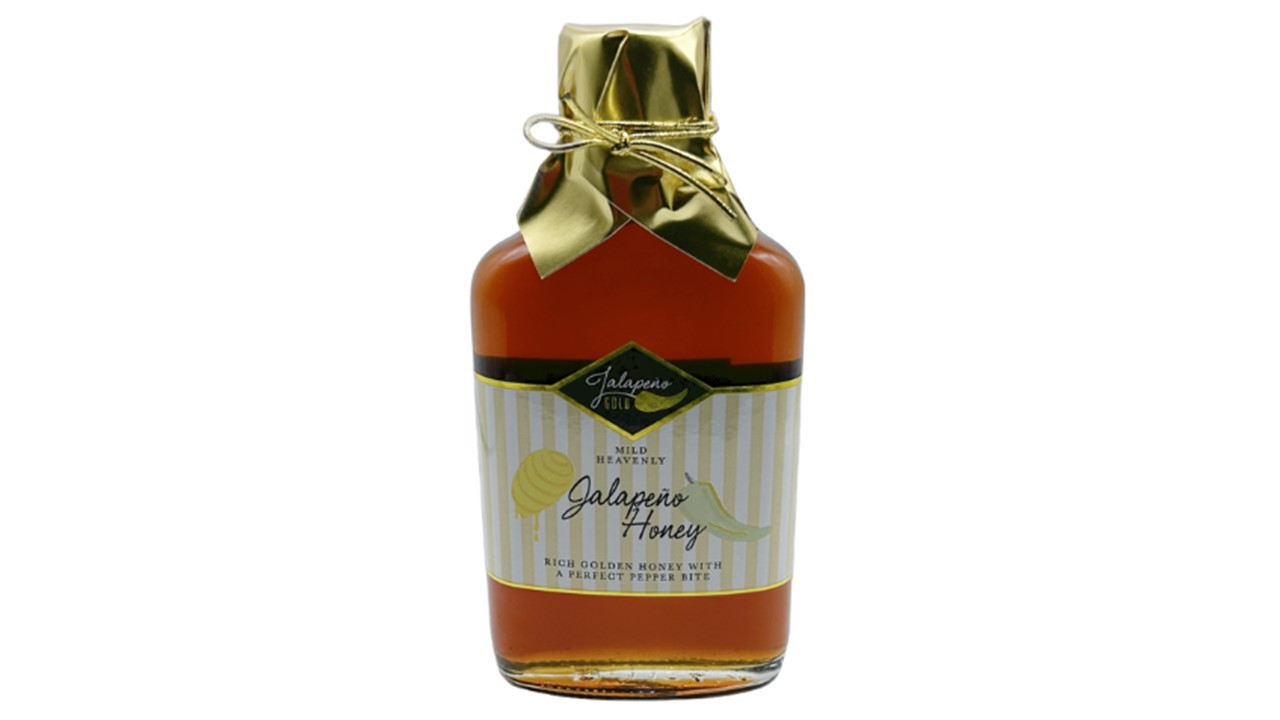
When the practical needs are covered, creativity sneaks in. Hot peppers shine in infused spirits, spicy honey, pickled blends, and compound butters. Each infusion uses peppers slowly but rewards you daily, turning a single harvest into weeks of flavor.
Peppers also make unforgettable gifts. Bottled sauces, dried flakes, or homemade rubs carry far more emotional weight than store‑bought items because they represent time, care, and courage. Very few people forget the first sauce someone engineered just for them. This gifting culture is baked into Peppers of Key West, where sauces aren’t just condiments, they’re experiences tied to place.
For the bold, peppers even pair with chocolate, fruit, and desserts. Heat awakens sweetness, and in the right ratios, it transforms familiar treats into conversation pieces.
Storing hot peppers long term
Storage is the final pillar that eliminates panic. Explore our article Where to Store Vinegar-Based Hot Sauces for Best Flavor and Shelf Life. Fresh peppers freeze beautifully, either whole or sliced, locking in heat until you’re ready. Dried peppers last for years when kept away from light and moisture. Fermented peppers survive months in cool storage, improving with age.
Proper storage means you no longer race against rot. Instead, you rotate inventory like a pro, pulling peppers when inspiration strikes. This is how serious pepper people operate, including the artisans behind Peppers of Key West, who understand that timing is the silent ingredient in every great sauce.
Frequently Asked Questions
- Is it normal to have too many hot peppers at once?
Yes. Hot pepper plants are extremely productive by nature, especially in warm climates, and abundance is a sign of healthy growing conditions, not overplanting failure. - What is the fastest way to use lots of hot peppers?
Making hot sauce or large cooked batches like chili or marinades uses the highest volume quickly while preserving flavor and safety. - Can homemade hot sauce last as long as store‑bought?
When made correctly with proper acid levels, homemade hot sauce can last months or longer, similar to many artisan sauces sold by Peppers of Key West. - Should I eat hot peppers fresh or preserved?
Both have value, but preservation methods like drying, fermenting, or saucing unlock long‑term usability and flavor depth. - Do extremely spicy peppers mellow over time?
Yes. Heat changes through cooking, fermentation, and aging, becoming more rounded and complex rather than sharp.
