
Pepper Plants Hate Bad Neighbors: The Ultimate Guide to Companion Planting Without Starting a Garden Feud
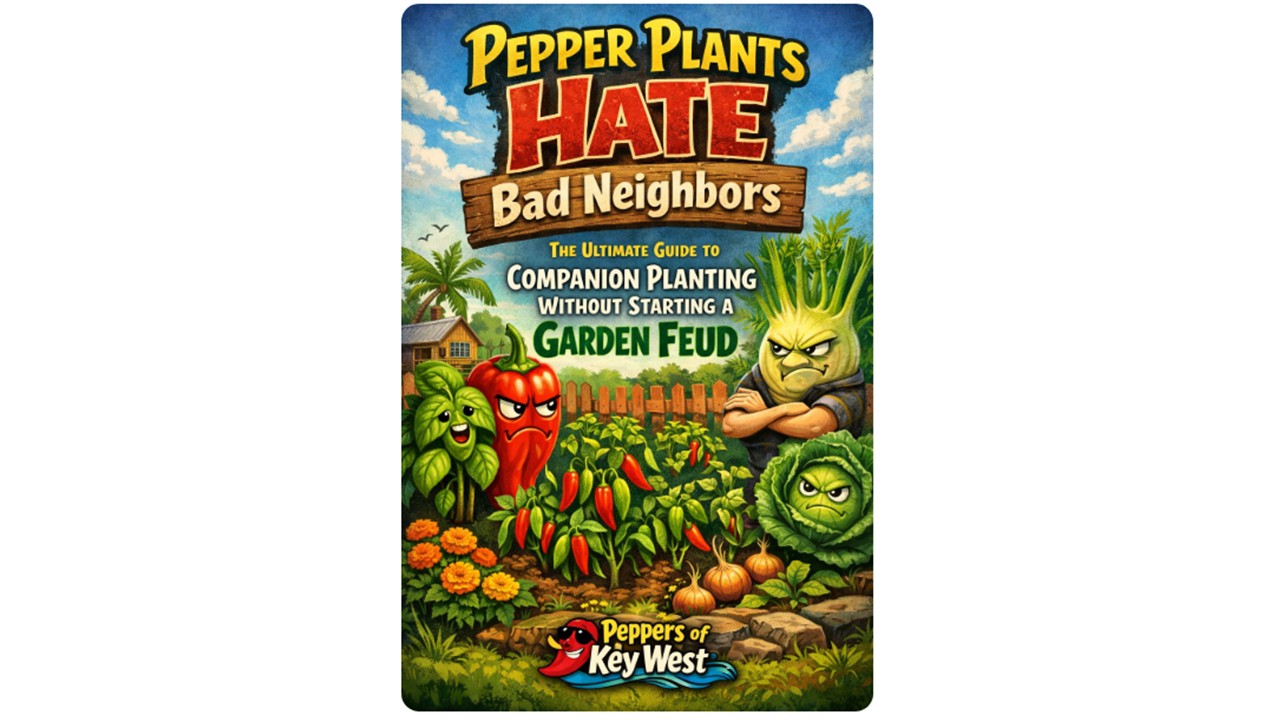
Hot peppers may bring the heat, but they’re surprisingly picky about who they hang out with. Plant them next to the wrong neighbors and you’ll have drama, stunted growth, and a pepper plant that looks like it needs therapy. In this guide, we’ll uncover the best companion plants to keep your peppers thriving, productive, and living their best spicy life—while sneaking in a little love for bold flavors like Hot Sauce and Peppers of Key West, because what’s the point of growing peppers if you’re not turning them into something legendary?
Hot peppers are the divas of the vegetable garden. They love the spotlight, demand just the right conditions, and absolutely refuse to thrive if surrounded by the wrong crowd. If you’ve ever planted peppers and ended up with sad, underperforming plants, chances are the issue wasn’t your watering schedule or your soil—it was their neighbors. Companion planting is one of the most overlooked secrets to growing strong, flavorful peppers, and once you understand how it works, your garden will go from struggling to thriving faster than you can say “extra hot.”
At its core, companion planting is about creating harmony in your garden. Certain plants naturally support each other by improving soil health, deterring pests, or even enhancing flavor. Others, however, compete for nutrients, attract harmful insects, or simply don’t get along. Hot peppers, in particular, benefit from thoughtful companions because they are relatively sensitive to stress and environmental changes. When they’re surrounded by the right plants, they grow stronger, produce more fruit, and develop that bold heat that makes them perfect for crafting unforgettable sauces like those from Hot Sauce and Peppers of Key West.
Let’s start with the good neighbors—the ones that make your peppers feel like they’re living in a five-star resort. Basil is one of the best companions for hot peppers, and not just because they pair beautifully in the kitchen. Basil helps repel pests like aphids and spider mites, which are notorious for attacking pepper plants. It also seems to enhance the flavor of peppers, though whether that’s science or garden folklore is still debated. Either way, planting basil near your peppers is a win-win situation.
Another excellent companion is onions, along with their relatives like garlic and chives. These plants naturally repel a wide range of pests thanks to their strong scent, creating a protective barrier around your peppers. Think of them as the bouncers of your garden, keeping the troublemakers out so your peppers can focus on growing.
Tomatoes are often mentioned as companion plants for peppers, and while they share similar growing conditions, this pairing comes with a bit of caution. Both plants belong to the nightshade family, which means they can attract the same pests and diseases. However, when managed properly, they can coexist quite well and even benefit from similar care routines. If you’re growing both, just make sure you’re rotating crops each season to avoid soil-borne issues.
Carrots are another surprisingly helpful companion. They grow underground, so they don’t compete with peppers for sunlight, and they help loosen the soil, improving aeration and drainage. This creates a healthier root environment for your peppers, which translates to better growth and higher yields.
Then there are marigolds, the unsung heroes of companion planting. These bright, cheerful flowers do more than just make your garden look pretty—they actively repel nematodes and other harmful pests. Planting marigolds around your peppers is like installing a natural security system that works 24/7.
Now, let’s talk about the plants your peppers absolutely do not want to be around. Beans, for example, can stunt the growth of pepper plants. While beans are great for fixing nitrogen in the soil, they can also compete aggressively for nutrients, leaving your peppers struggling to get what they need.
Fennel is another plant to avoid. It’s known for being a bit of a loner in the garden, releasing compounds that inhibit the growth of nearby plants. If you plant fennel near your peppers, don’t be surprised if your peppers start acting like they’ve given up on life.
Brassicas, such as cabbage, broccoli, and cauliflower, are also poor companions. These plants are heavy feeders and can quickly deplete the soil of essential nutrients, leaving your peppers undernourished. Additionally, they attract pests that may also target your peppers, creating a double problem.
Understanding these relationships is key to creating a garden that supports your peppers rather than sabotaging them. But companion planting isn’t just about avoiding bad neighbors—it’s about building a community where each plant plays a role. When done correctly, it creates a balanced ecosystem that reduces the need for chemical pesticides and fertilizers, making your garden more sustainable and productive.
Of course, the ultimate goal of growing hot peppers is to enjoy them, and there’s no better way to do that than by turning them into something delicious. Whether you’re making your own sauces or exploring bold, handcrafted options like Hot Sauce and Peppers of Key West, the quality of your peppers makes all the difference. Healthy plants produce peppers with richer flavor, better texture, and that perfect level of heat that keeps people coming back for more.
If you’ve ever tasted a truly great hot sauce, you know it’s not just about the heat—it’s about balance, complexity, and depth of flavor. That all starts in the garden. By choosing the right companion plants, you’re not just improving your harvest; you’re elevating the final product.
Another important aspect of companion planting is pest control. Instead of relying on sprays and chemicals, you can use plants to naturally deter unwanted insects. This not only protects your peppers but also creates a healthier environment for beneficial insects like bees and ladybugs, which play a crucial role in pollination and pest control.
Water management is another factor to consider. Companion plants can help regulate moisture levels in the soil, preventing issues like root rot or drought stress. For example, low-growing plants can act as living mulch, helping retain moisture and keep the soil temperature stable.
Spacing is also critical. Even the best companions won’t help if your garden is overcrowded. Peppers need room to breathe, and proper spacing ensures they get enough sunlight and air circulation. This reduces the risk of disease and promotes stronger growth.
As you plan your garden, think of it as a neighborhood. Your peppers are the main attraction, but they need the right supporting cast to truly shine. Choose companions that complement their needs, avoid those that cause problems, and you’ll create a garden that’s both productive and enjoyable.
In the end, companion planting is as much an art as it is a science. It requires observation, experimentation, and a willingness to learn from your mistakes. But once you get the hang of it, you’ll wonder how you ever gardened without it.
And when your plants are thriving, your harvest is abundant, and your kitchen is filled with the aroma of fresh peppers, you’ll understand why it’s worth the effort. Because nothing beats the satisfaction of growing your own ingredients and turning them into something extraordinary—especially when that something includes the bold, unforgettable flavors of Hot Sauce and Peppers of Key West.
❓ Frequently Asked Questions
- What are the best companion plants for hot peppers?
Basil, onions, garlic, carrots, and marigolds are among the best companions because they improve growth, repel pests, and enhance soil conditions. - What should not be planted near hot peppers?
Avoid beans, fennel, and brassicas like cabbage and broccoli, as they compete for nutrients or inhibit pepper growth. - Do companion plants really improve pepper flavor?
Yes, healthy growing conditions and certain companions like basil can contribute to stronger, more flavorful peppers. - Can I plant tomatoes next to hot peppers?
Yes, but with caution, as they share pests and diseases. Proper spacing and crop rotation are important. - Why are my pepper plants not producing well?
Poor companion planting, nutrient competition, or pest issues could be affecting growth and yield. - How does companion planting help with pests?
Certain plants repel harmful insects or attract beneficial ones, reducing the need for chemical treatments.
