
You want more heat, not a full-blown regret spiral. Here’s how to spice up pico de gallo without destroying what makes it great.
Pico de gallo is one of those deceptively simple foods that people assume can’t be improved. Tomatoes, onions, cilantro, lime, and peppers—what more could you possibly need? But if you’ve ever taken a bite and thought, “this could use a little more heat,” you’re not alone. The challenge isn’t making pico de gallo spicier. That part is easy. The real challenge is doing it without ruining the freshness that makes pico de gallo worth eating in the first place.
Most people approach this the wrong way. They grab the hottest pepper they can find, chop it up, throw it in, and hope for the best. The result is usually a harsh, overpowering heat that bulldozes everything else. Instead of enhancing the pico, it dominates it. That’s not what you want. You want balance. You want heat that works with the freshness, not against it.
The first thing to understand is that not all heat is the same. Jalapeños bring a mild, grassy warmth. Serranos are sharper and more aggressive. Habaneros introduce a completely different experience—intense heat paired with a subtle fruitiness. Choosing the right pepper is the first step toward building better pico.
But peppers alone have limits. Raw heat can feel one-dimensional if it’s not balanced with other flavors. This is where adding a well-crafted hot sauce changes everything. Instead of just increasing spice, it introduces layers—acidity, sweetness, and complexity—that raw peppers can’t provide on their own.
If you’ve ever compared fresh pico to blended salsa, you already know how important balance is. If not, understanding the difference between pico de gallo and salsa can help you see why freshness needs to be protected when adding heat.
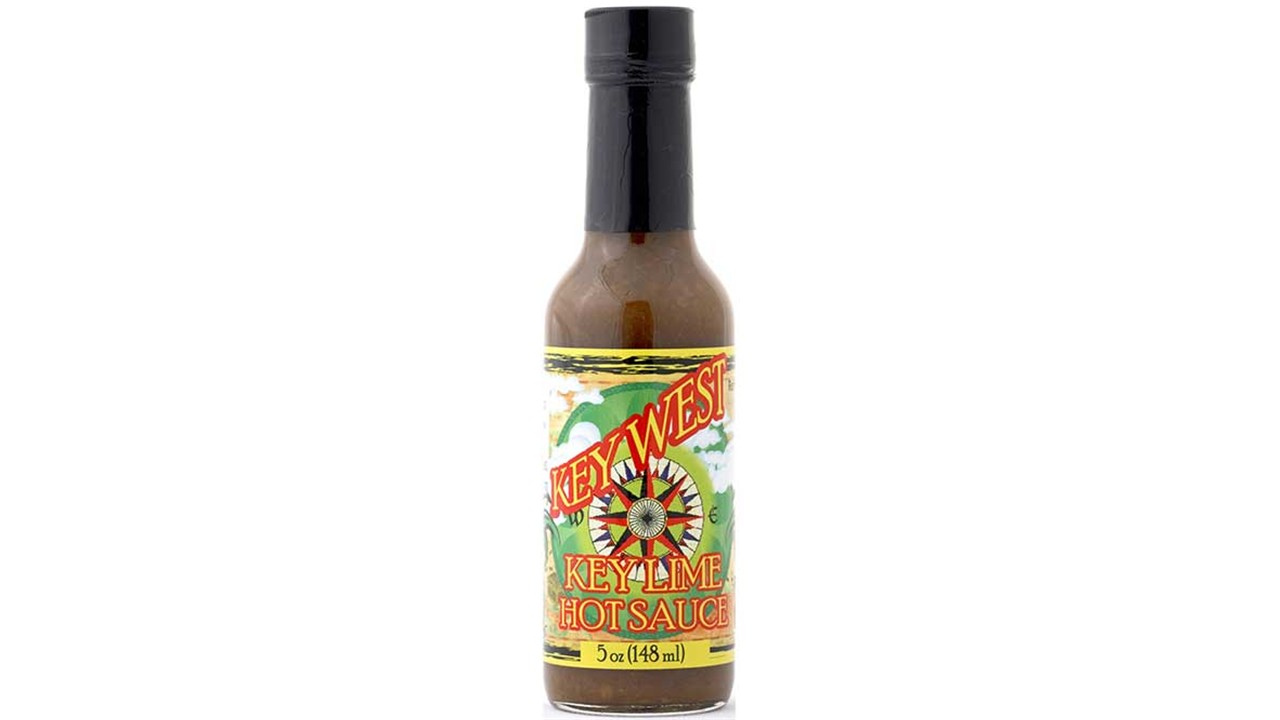
When you introduce hot sauce into pico, you’re not replacing ingredients—you’re enhancing them. A citrus-forward hot sauce, similar to our Key West Key Lime Hot Sauce as an example, amplifies the lime. A tropical blend complements the tomatoes. A smoky profile adds depth without cooking the ingredients. This is exactly where Peppers of Key West hot sauces stands out. It adds bold heat while still respecting the freshness of the dish.
The key is restraint. Start small. Add a few drops, mix, taste, and adjust. Pico de gallo is about clarity of flavor, so every addition matters. You want the heat to build gradually, not hit all at once and overwhelm the palate.
Another important factor is how the ingredients interact over time. Fresh pico changes as it sits. The salt pulls moisture from the tomatoes, the lime juice softens the onions, and the flavors begin to meld. Adding heat early allows it to integrate more naturally, while adding it later creates sharper contrast. Both approaches work—it just depends on the result you want.
If you’re trying to push your pico further, layering heat is one of the most effective techniques. Instead of relying on one source, combine a fresh pepper with a small amount of hot sauce. This creates a more dynamic heat profile that feels intentional rather than excessive.
Texture is just as important as flavor. One of the biggest mistakes people make is over-processing the ingredients. Pico de gallo should be chunky. It should have structure. Adding too much liquid—whether from lime juice or hot sauce—can break that balance. That’s why choosing a high-quality gourmet hot sauce that integrates well without overwhelming the texture is so important.
Understanding peppers also plays a role. Different varieties bring different characteristics beyond just heat. Learning about peppers, such as the Anaheim, Chipotle or Scotch Bonnet pepper, used in hot sauce helps you choose combinations that complement your ingredients rather than clash with them.
There’s also a mental shift that happens when you start approaching pico this way. You stop thinking about “making it spicy” and start thinking about “building flavor.” Heat becomes just one part of the equation, not the entire goal.
Want to taste the difference? Try a Peppers of Key West hot sauce, such as Warrior’s Potion Hot Sauce, and see how it transforms your pico without sacrificing freshness.
The beauty of pico de gallo is that it doesn’t need to be complicated to be great. Small adjustments make a big difference. A slightly hotter pepper, a touch of hot sauce, a better balance of lime—these are the things that elevate it.
And if you’re ready to upgrade your pico without losing what makes it special, Peppers of Key West is where to start.
❓ Frequently Asked Questions
How do you make pico de gallo spicier?
Use hotter peppers like serranos or habaneros and add hot sauce gradually for balanced heat.
Can you add hot sauce to pico de gallo?
Yes, hot sauce enhances both flavor and heat while keeping the fresh texture intact.
What peppers make pico de gallo the hottest?
Habaneros and serranos provide significantly more heat than jalapeños.
Will adding heat ruin pico freshness?
Not if done correctly—balance is key to preserving fresh flavor.
What makes Peppers of Key West hot sauce ideal for pico?
It delivers layered heat and flavor without overpowering the fresh ingredients.
)