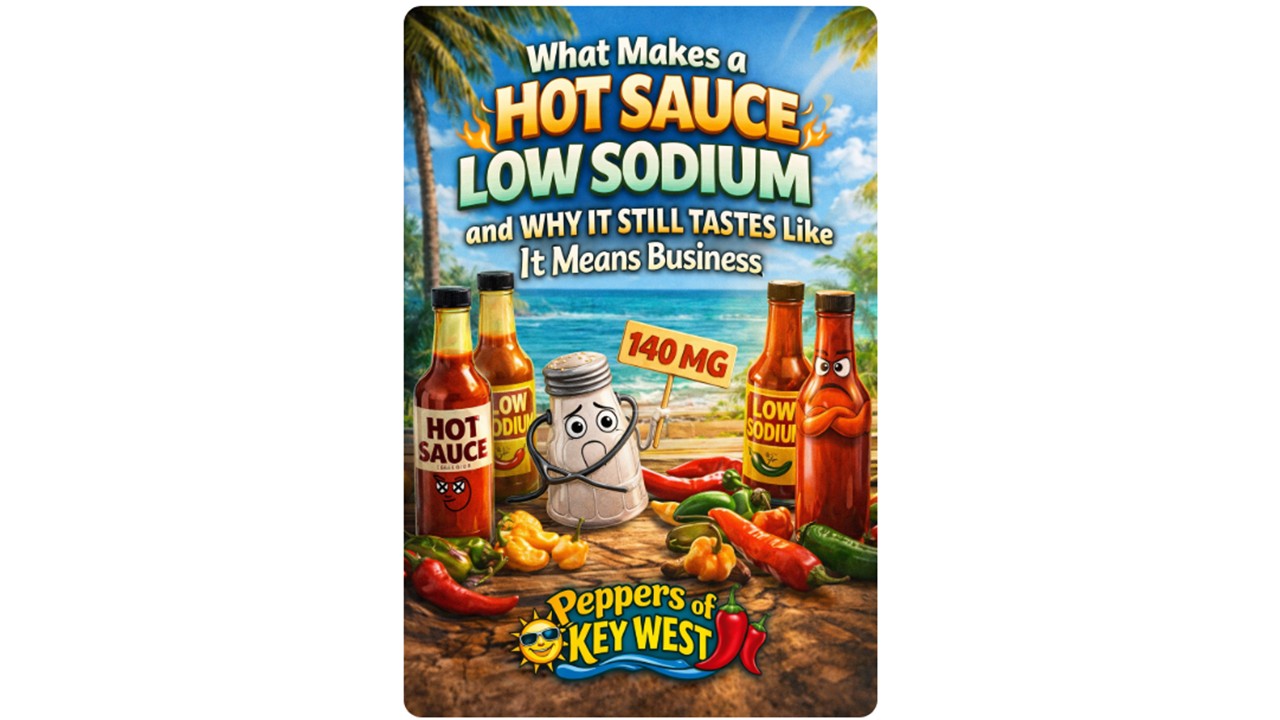
What Makes a Hot Sauce Low Sodium and Why It Still Tastes Like It Means Business
Less salt more swagger because your hot sauce should bring flavor not a lecture from your doctor
Hot sauce has always been about boldness. It is the condiment that shows up uninvited, steals the spotlight, and somehow makes everything on your plate more interesting. But in recent years, there has been a shift in how people think about flavor, especially when it comes to sodium. The question is no longer just how hot a sauce is, but how well it is crafted. That is where low sodium hot sauce enters the conversation, and surprisingly, it is not the boring compromise many people assume it to be.
To understand what makes a hot sauce low sodium, you first have to understand what sodium does in the first place. Sodium, usually in the form of salt, is a flavor enhancer. It amplifies taste, balances bitterness, and can even make certain flavors seem sweeter. In traditional hot sauces, salt often plays a major role, sometimes overshadowing the actual peppers and other ingredients. This is why many standard hot sauces can taste similar despite using different peppers. The salt is doing a lot of the heavy lifting.
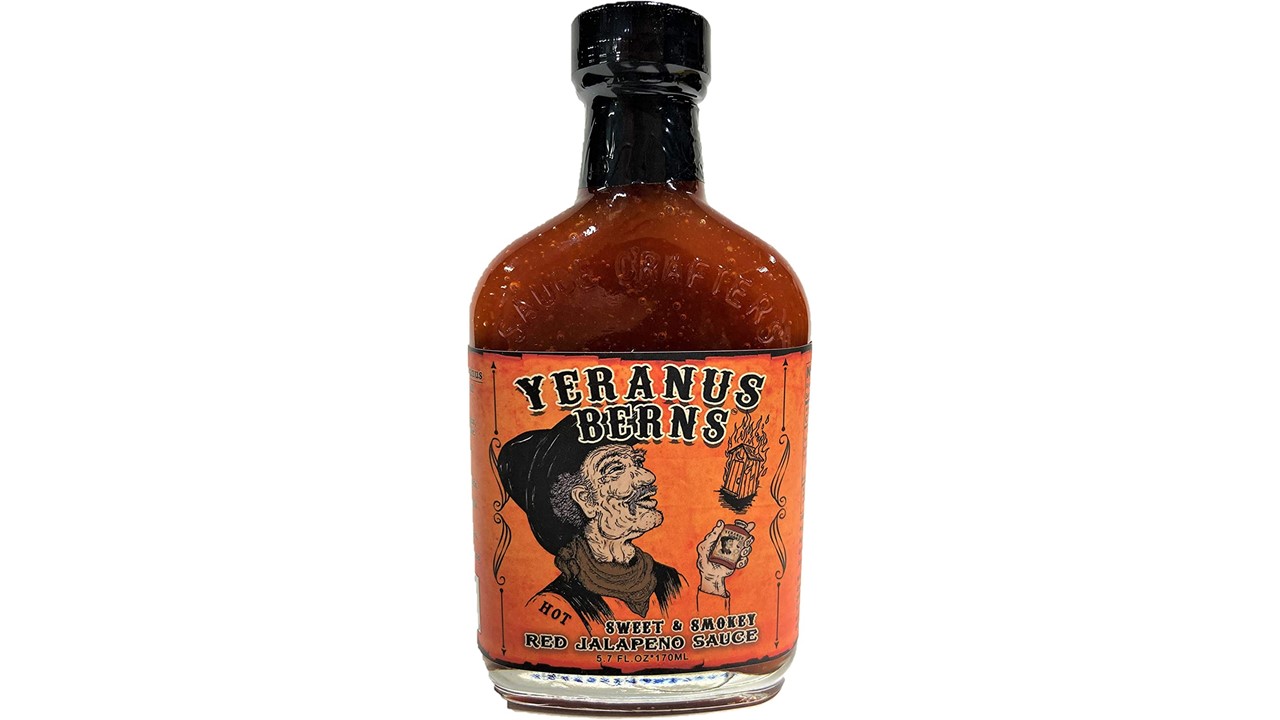
A low sodium hot sauce, by definition, contains 140 milligrams of sodium or less per serving. That number is not arbitrary. It is based on FDA guidelines that define what qualifies as low sodium in packaged foods. For hot sauce, this means that the recipe must be adjusted in a way that reduces reliance on salt without sacrificing flavor. And this is where things get interesting, because taking away salt forces sauce makers to get creative. Yeranusberns Sweet & Smoky Red Jalapeño Hot Sauce contains a meager 75mg per teaspoon.
Instead of leaning on sodium, low sodium hot sauces rely on a more balanced approach to flavor. Vinegar becomes more prominent, adding brightness and acidity that cuts through rich foods. Peppers themselves are given more attention, allowing their natural flavors to shine. Some peppers are fruity, some are smoky, and others have a subtle sweetness that can be highlighted when they are not buried under salt. This creates a more complex and layered taste experience.
Peppers of Key West is a great example of how this philosophy can be executed well. Their approach to hot sauce often emphasizes flavor first, with carefully selected ingredients that work together rather than relying on a single dominant element. This makes their sauces a strong option for those looking to reduce sodium without giving up the excitement that hot sauce brings to a meal. When the balance is right, you do not miss the extra salt because there is so much else going on.
One of the biggest misconceptions about low sodium hot sauce is that it will taste weak. People often assume that less salt means less flavor, but the reality is that it simply shifts where the flavor comes from. Instead of a blunt, salty punch, you get a more refined experience. The heat feels cleaner, the acidity is more noticeable, and the overall profile is more nuanced. It is not about dialing things down, it is about tuning them differently.
This difference becomes especially noticeable when you use low sodium hot sauce on foods that already have their own strong flavors. Eggs, for example, benefit greatly from a sauce that adds brightness without overwhelming them. The same is true for grilled meats, roasted vegetables, and even dishes like tacos or sandwiches. A low sodium hot sauce can enhance these foods in a way that feels more balanced and intentional.
Another important aspect of low sodium hot sauce is how it is made. Reducing sodium is not as simple as just using less salt. It often requires adjusting the entire recipe. This might involve using different types of vinegar, incorporating natural sweeteners, or adding spices and aromatics that build depth. Garlic, onion, citrus, and even certain fruits can play a role in creating a full-bodied flavor. This is why many low sodium sauces end up being more complex than their traditional counterparts. Funky Monkey Banana Rum Pepper Sauce is another low sodium hot sauce with only 60mg per serving.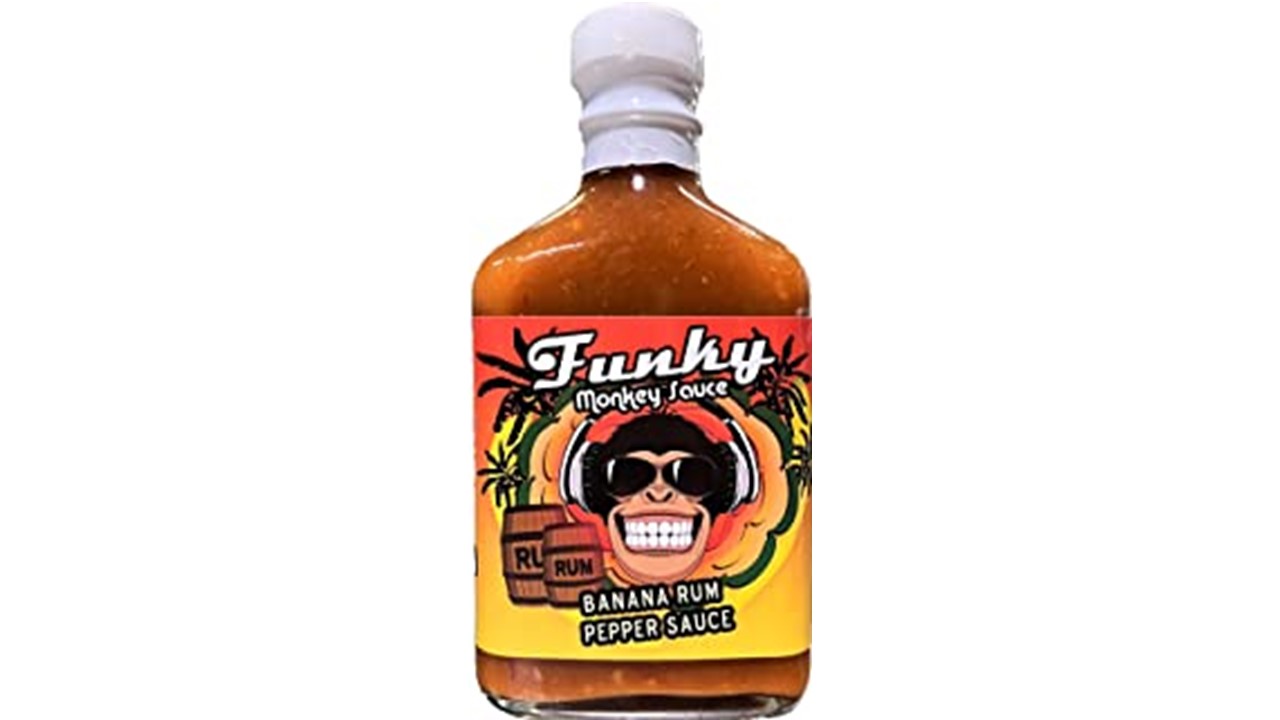
There is also a growing awareness of how sodium affects overall health. While hot sauce is not usually consumed in large quantities, it is often used frequently. Over time, those small amounts can add up, especially when combined with other high sodium foods. Choosing a low sodium hot sauce is a simple way to reduce intake without making drastic changes to your diet. It is one of those small adjustments that can have a meaningful impact.
At the same time, it is important to remember that not all low sodium hot sauces are created equal. Some may reduce salt but fail to compensate with other flavors, resulting in a product that feels flat or incomplete. This is why it is worth seeking out brands and producers that prioritize quality and balance. Peppers of Key West stands out in this regard, offering options that maintain a strong flavor identity even with reduced sodium levels.
There is also an element of personal preference involved. Some people enjoy the sharper, more pronounced taste of low sodium hot sauce, while others may prefer the familiar punch of saltier varieties. The key is to find what works for you. Trying different sauces and paying attention to how they interact with your favorite foods can help you discover new combinations that you might not have considered before.
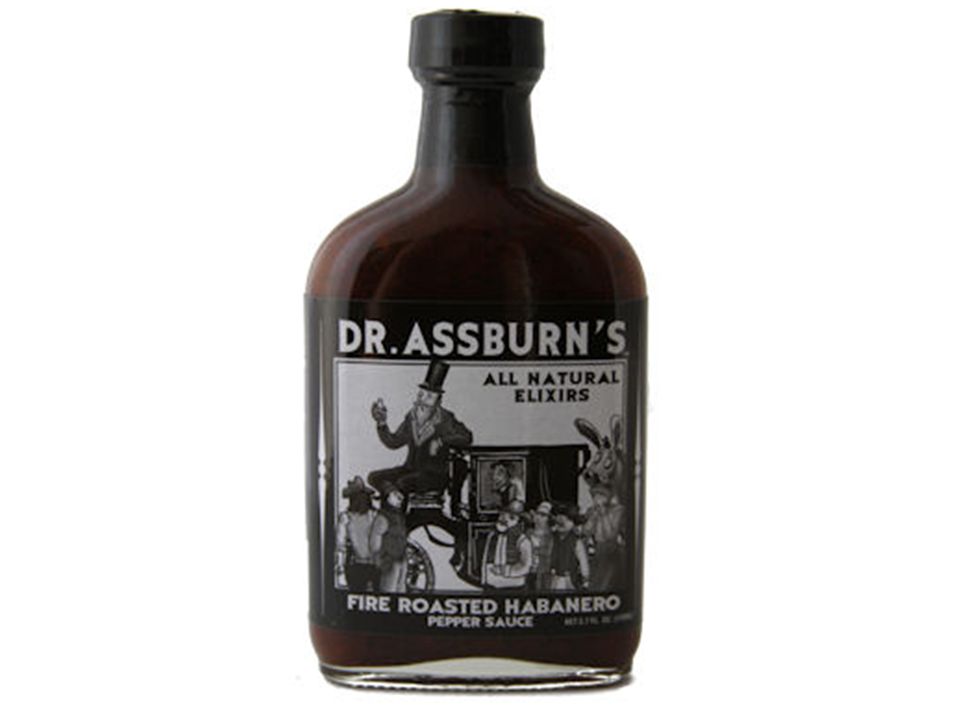
Interestingly, low sodium hot sauce can also change the way you cook. When you are not relying on salt as a primary flavor enhancer, you become more aware of other ingredients. You might start experimenting with herbs, spices, and different cooking techniques to bring out the best in your food. In this way, switching to a low sodium option can actually make you a more creative and thoughtful cook. One more low sodium hot sauce is Dr. Assburn’s Fire Roasted Habanero Hot Sauce coming in with 70mg per serving.
There is also a certain satisfaction in knowing that you are making a choice that aligns with both taste and well-being. Food should be enjoyable, and hot sauce is a big part of that enjoyment for many people. Being able to keep that excitement while making a smarter choice is a win on both fronts. It proves that you do not have to sacrifice flavor to eat a little better.
As the demand for better food options continues to grow, the world of hot sauce is evolving. More producers are exploring ways to create sauces that deliver bold flavor without excessive sodium. This has led to a wider variety of options, giving consumers more choices than ever before. It is an exciting time for anyone who loves hot sauce, because the focus is shifting from just heat to overall quality.
In the end, what makes a hot sauce low sodium is not just the number on the label, but the approach behind it. It is about crafting a product that delivers flavor in a more thoughtful and balanced way. It is about letting the ingredients speak for themselves rather than relying on salt to do all the work. And most importantly, it is about proving that you can have a hot sauce that still feels bold, exciting, and satisfying without pushing your sodium intake over the edge.
With options from places like Peppers of Key West, it is clear that low sodium hot sauce is not a limitation, but an opportunity. It is a chance to explore new flavors, refine your palate, and enjoy your favorite foods in a slightly different way. And once you realize how good it can be, you might start to wonder why you ever thought you needed all that salt in the first place. One last low sodium hot sauce to consider, which happens to be a store favorite is Orange Krush Hot Sauce in which you will find 70mg per serving.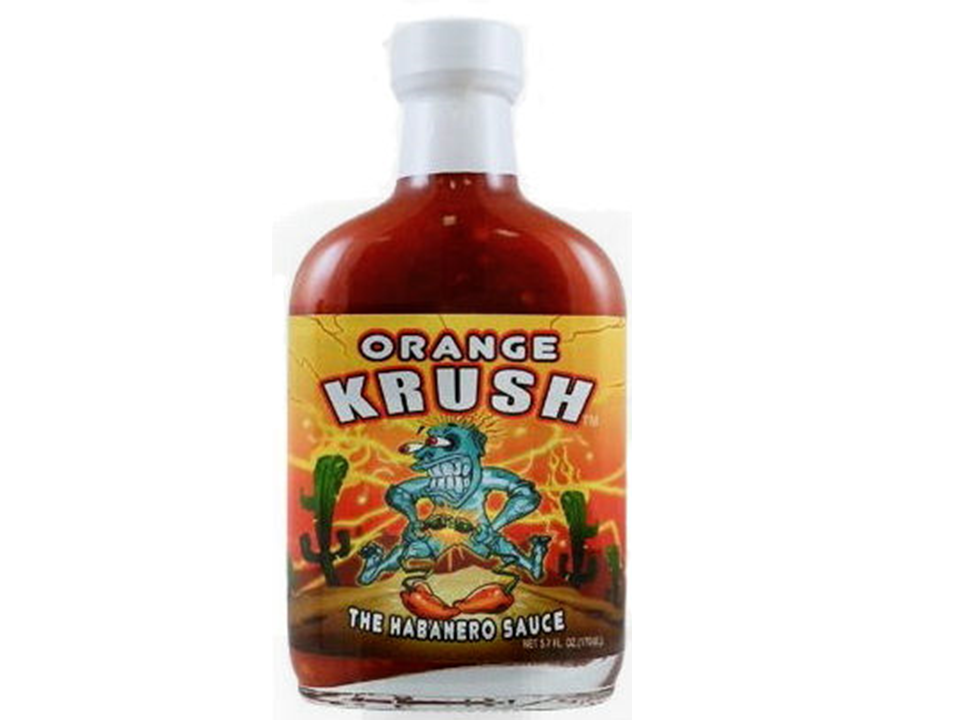
Frequently Asked Questions
What qualifies a hot sauce as low sodium?
A hot sauce is considered low sodium if it contains 140 milligrams or less of sodium per serving.
Does low sodium hot sauce still taste good?
Yes, many low sodium hot sauces focus on balanced ingredients like vinegar and peppers to maintain strong flavor.
Is low sodium hot sauce healthier?
It can help reduce overall sodium intake, which may support better heart health.
Are Peppers of Key West sauces low sodium?
Some options focus more on flavor balance rather than heavy salt, making them a great choice for lower sodium preferences.
What foods work best with low sodium hot sauce?
Eggs, grilled meats, vegetables, and sandwiches all pair well with flavorful low sodium sauces.
