
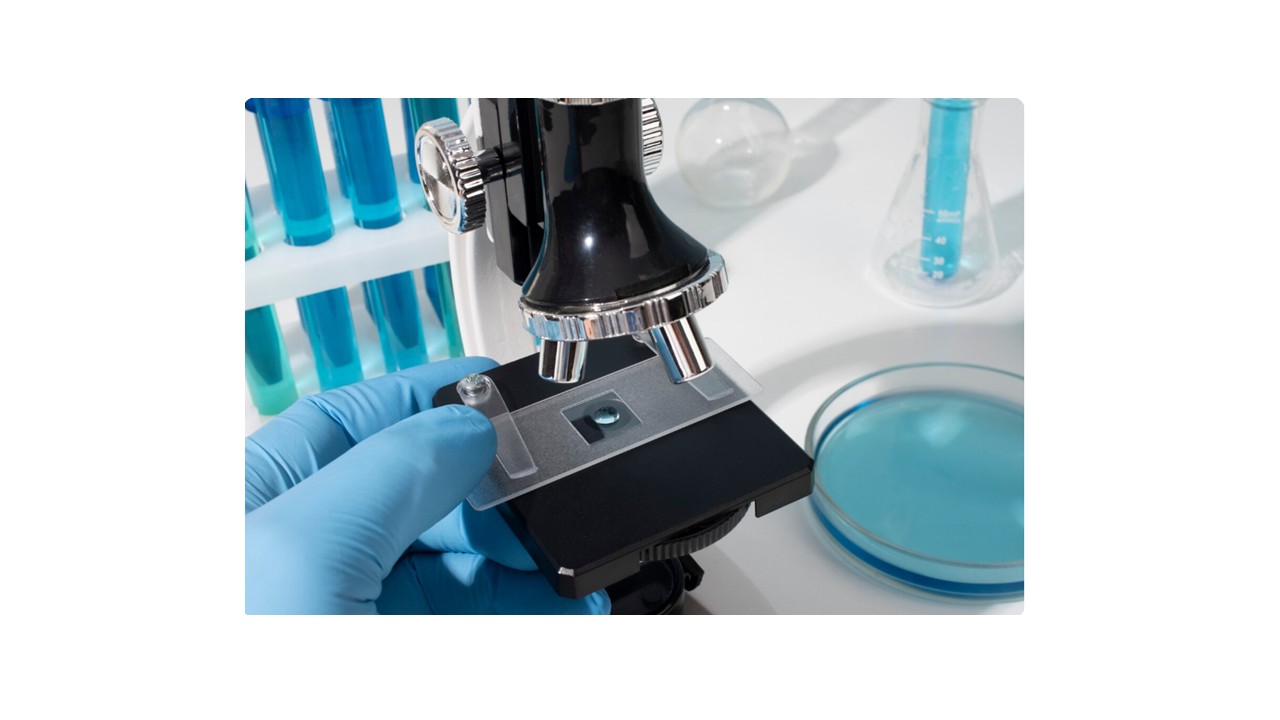
What HPLC Testing Has to Do with Hot Sauce – Measuring Pepper Heat and Capsaicin Precision
High-performance liquid chromatography, commonly abbreviated as HPLC, is a scientific method used to measure chemical compounds with precision, and in the world of hot sauce, it plays a critical role in quantifying the heat of chili peppers. Unlike traditional methods such as the Scoville Organoleptic Test, which rely on human taste panels and subjective perception, HPLC provides a precise, reproducible, and quantifiable measure of capsaicin and related capsaicinoids, the compounds responsible for the sensation of heat in chili peppers. For hot sauce enthusiasts, chefs, and producers like Peppers of Key West, HPLC testing ensures that the spiciness of sauces is consistent, predictable, and accurately labeled, bridging the gap between culinary art and scientific rigor.
HPLC works by separating a complex mixture into individual chemical components using a liquid solvent and high-pressure pumps. When applied to chili peppers or hot sauce, the extract is passed through a chromatography column that separates capsaicin from other compounds. Detectors measure the amount of capsaicin present, which can then be converted into Scoville Heat Units (SHU) or used to compare heat levels between different peppers. This method eliminates variability caused by human taste perception and allows producers to standardize their hot sauces, whether they feature extreme peppers like Ghost Peppers, Mad Hatter peppers, or Habaneros, ensuring that consumers know exactly what level of heat to expect.
For brands like Peppers of Key West, HPLC testing serves multiple purposes. It provides an accurate measurement of heat intensity for labeling and marketing, helping consumers select products that match their tolerance and preference. It also ensures quality control, as each batch of hot sauce can be tested to confirm that capsaicin levels meet the intended heat profile. For example, a sauce labeled as “Extreme Ghost Pepper Heat” can be verified to contain the expected capsaicin concentration, maintaining brand reliability and customer satisfaction. Without HPLC, producers would have to rely solely on taste-testing, which is inherently subjective and inconsistent across tasters.
The science behind HPLC testing also allows for deeper understanding of capsaicin profiles in different pepper varieties. Each chili pepper species, from Habaneros to Carolina Reapers, contains varying types and concentrations of capsaicinoids. HPLC can differentiate between these compounds, providing insight into not just how hot a pepper is, but the nature of its heat. For instance, some peppers produce a sharper, immediate burn, while others offer a slow-building, lingering heat. This level of detail is valuable for hot sauce creators seeking to craft unique flavor experiences that balance heat, flavor, and overall enjoyment.
Beyond quality control, HPLC testing contributes to innovation in hot sauce development. By precisely measuring capsaicin levels, producers can experiment with blends, infusions, and heat modulation strategies. For Peppers of Key West, this allows the creation of sauces that combine superhot peppers with fruit, smoke, or vinegar, achieving a specific flavor profile while maintaining target heat intensity. HPLC also supports research into pepper breeding, helping growers cultivate peppers with desired capsaicin levels, whether for extreme heat, balanced culinary applications, or specialty gourmet products.
HPLC testing also has implications for consumer safety and education. Extreme heat levels can be dangerous if not properly handled, and HPLC allows for precise labeling that informs users of the intensity they can expect. This is especially important for superhot sauces, which can exceed one million Scoville Heat Units. By providing accurate, scientific data, HPLC testing ensures that extreme hot sauce enthusiasts enjoy their products safely and with confidence, knowing the exact capsaicin content and intensity.
The integration of HPLC testing into the hot sauce industry represents a merging of culinary art with modern analytical science. While traditional tasting methods capture human sensory experience, HPLC captures objective chemical data. This dual approach enhances the credibility and sophistication of brands like Peppers of Key West, reinforcing their commitment to high-quality, extreme, and gourmet hot sauces. Consumers can trust that every bottle meets rigorous standards and that the heat and flavor they experience are consistent with the product description.
In practical terms, HPLC also informs batch consistency and product scaling. When scaling production from small-batch artisan sauces to larger commercial runs, capsaicin content can vary due to differences in pepper harvests, growing conditions, and processing methods. HPLC testing allows producers to adjust recipes, blending strategies, or pepper ratios to ensure that the final product aligns with the intended heat profile. This precision helps maintain consumer trust, reduces variability, and guarantees that each bottle delivers the expected sensory experience.
Understanding HPLC’s role in hot sauce also enhances appreciation for the complexity of chili peppers. Capsaicin is not the only factor influencing heat perception; other compounds, including flavonoids, sugars, and acids, contribute to the overall flavor experience. HPLC allows producers and enthusiasts to analyze these components, optimizing recipes for both heat and flavor. For Peppers of Key West, this scientific insight translates into products that are not only extremely hot but also balanced, flavorful, and memorable, appealing to a wide range of spicy food enthusiasts.
In conclusion, HPLC testing is a cornerstone of modern hot sauce production, providing precise measurement of capsaicin, ensuring consistency, supporting innovation, and enhancing consumer safety. For hot sauce enthusiasts, chefs, and brands like Peppers of Key West, HPLC bridges the gap between the traditional art of chili pepper use and the science of heat measurement. By leveraging this technology, producers can create extreme, gourmet, and flavorful hot sauces with confidence, delivering experiences that excite the palate and satisfy even the most dedicated chili pepper fans. Understanding HPLC testing helps consumers and creators alike appreciate the science behind extreme heat and the care that goes into producing high-quality, consistent hot sauces.
3. Frequently Asked Questions:
❓ What is HPLC testing?
HPLC stands for high-performance liquid chromatography, a method to separate, identify, and quantify chemical compounds like capsaicin in chili peppers.
❓ Why is HPLC important for hot sauces?
It ensures precise measurement of heat, batch consistency, and accurate labeling of hot sauce intensity.
❓ How does HPLC differ from the Scoville Organoleptic Test?
HPLC is objective and chemical-based, while the Scoville Organoleptic Test relies on human taste perception, which is subjective.
❓ Does HPLC testing measure flavor or only heat?
Primarily, HPLC measures capsaicin for heat, but it can also analyze other chemical compounds that influence overall flavor profiles.
❓ How does Peppers of Key West use HPLC?
They use HPLC to ensure consistent extreme heat, optimize recipes, and produce reliable, high-quality hot sauces.
