

The Ultimate Guide to the Peri Peri Pepper: Heat, Flavor & Uses
Peri peri peppers, also known as African bird’s eye chili or piri piri, have become a global culinary phenomenon, celebrated for their fiery heat, vibrant flavor, and unique versatility in dishes from Southern Africa to Europe and beyond. Understanding this extraordinary pepper requires a look into its origins, cultivation, culinary uses, heat profile, and even its health benefits. From traditional peri peri sauces to modern hot sauce innovations, this guide explores everything a pepper enthusiast, chef, or foodie needs to know.
The peri peri pepper’s story begins in the tropical regions of Africa, particularly in Mozambique and Angola, where local farmers cultivated small, intensely hot chili peppers that would become a cornerstone of regional cuisine. These peppers are believed to be a hybrid of native African varieties and chili peppers brought by Portuguese explorers during the Age of Discovery. The name “peri peri” or “piri piri” derives from the Swahili word for pepper, reflecting its African roots, while also highlighting the fiery intensity that sets it apart from other chili varieties. Today, peri peri peppers are grown worldwide, but the authentic flavor profile is still closely associated with their African origins.
Peri peri peppers are small, usually measuring between one and two inches, yet they pack a powerful punch. They belong to the Capsicum frutescens species, which includes other notable peppers such as the tabasco. The heat level of peri peri peppers can range from 50,000 to 175,000 Scoville Heat Units (SHU), placing them among the hotter chili peppers available to culinary enthusiasts. This intensity is balanced by a distinct fruity and citrusy flavor, which makes the pepper versatile in sauces, marinades, and seasoning blends. Unlike some purely hot peppers, peri peri adds both heat and depth to dishes, allowing chefs to craft complex flavor profiles that excite the palate.
Culinary use of peri peri peppers is where their true magic unfolds. Traditional peri peri sauce combines the peppers with ingredients such as garlic, lemon juice, vinegar, olive oil, and various herbs and spices. This combination creates a vibrant, tangy, and spicy sauce that can be used as a marinade, condiment, or basting sauce for chicken, seafood, and vegetables. The classic Portuguese-style peri peri chicken, often chargrilled and brushed with sauce, exemplifies the pepper’s ability to enhance flavor while providing an unmistakable fiery kick. Modern adaptations include peri peri hot sauces, spice rubs, salad dressings, and even peri peri-infused oils, demonstrating the pepper’s versatility in contemporary cuisine.
One of the defining characteristics of peri peri peppers is their ability to complement both heat-seekers and flavor-focused diners. While the peppers are undeniably hot, the fruity and citrusy undertones allow for a layered taste experience. Culinary experts often emphasize balancing heat with acidity, sweetness, and umami elements, which enhances the overall flavor of dishes. For example, pairing peri peri sauce with roasted vegetables or grilled fish can create a harmonious balance, where the heat amplifies the natural flavors without overwhelming the palate.
Health benefits of peri peri peppers are another compelling aspect of their appeal. Like other chili peppers, peri peri contains capsaicin, a bioactive compound that can support metabolism, aid digestion, and promote cardiovascular health. Capsaicin stimulates thermogenesis, which increases calorie burn and may assist with weight management. Additionally, peri peri peppers are rich in vitamins A and C, both of which are essential for immune support and overall wellness. Some studies suggest that capsaicin may have anti-inflammatory and antioxidant properties, which can contribute to general health and well-being when incorporated into a balanced diet.
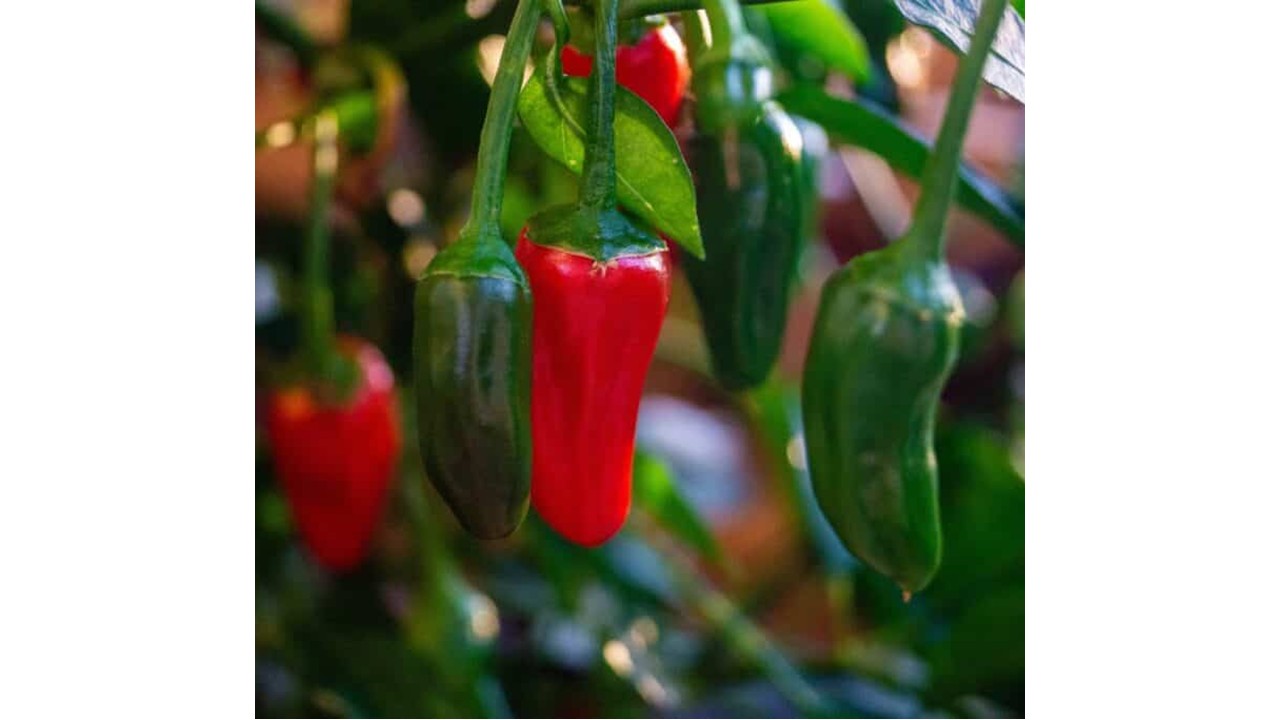
For gardeners and pepper enthusiasts, growing peri peri peppers can be a rewarding experience. These peppers thrive in warm climates with plenty of sunlight and well-draining soil. They are relatively easy to cultivate, though they require consistent watering and attention to avoid pests such as aphids or whiteflies. The plants produce small, slender fruits that ripen from green to bright red, signaling peak flavor and heat. Harvested peppers can be used fresh, dried, or processed into sauces, offering multiple avenues for culinary experimentation.
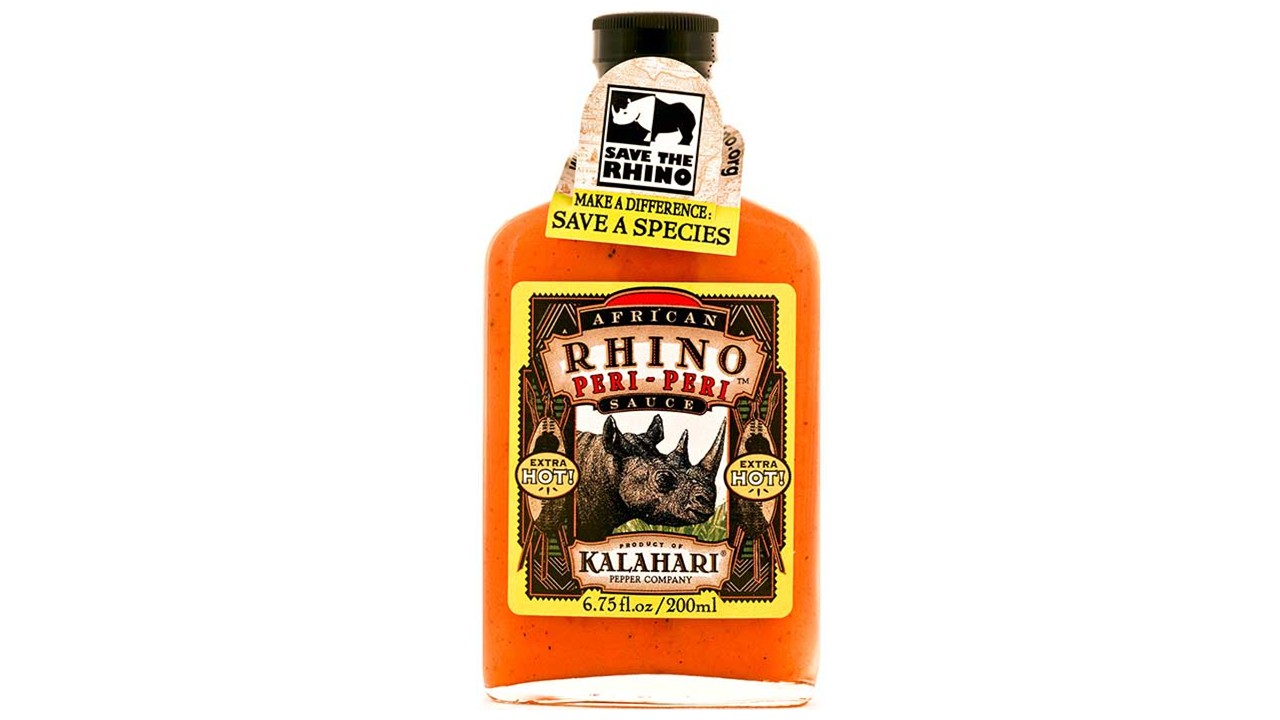
Peri peri peppers have also inspired a thriving hot sauce industry, with brands creating artisan and small-batch sauces that highlight the pepper’s flavor while pushing the boundaries of heat. These hot sauces often incorporate additional ingredients such as tropical fruits, garlic, and herbs to craft unique flavor profiles. Some sauces are designed for extreme heat enthusiasts, reaching levels that challenge even the most seasoned chili lovers, while others focus on flavor-forward, balanced heat for everyday use. The global popularity of peri peri hot sauces reflects the pepper’s versatility, cultural significance, and enduring culinary appeal.
In addition to traditional culinary applications, peri peri peppers are increasingly featured in innovative recipes such as peri peri pasta, grilled seafood skewers, roasted nuts, and infused oils. Chefs and home cooks alike are exploring the pepper’s potential to transform ordinary dishes into extraordinary culinary experiences. Whether used in marinades, dressings, or as a finishing touch, the pepper’s heat and flavor provide a distinctive edge that elevates both simple and complex dishes.
Understanding peri peri peppers also involves appreciating their cultural significance. In Southern Africa, peri peri has long been a staple ingredient in traditional cooking, passed down through generations. In Portugal, the pepper became integral to national cuisine, particularly in peri peri chicken dishes popularized by Portuguese settlers in Africa. Today, the pepper symbolizes a bridge between cultures, combining African, Portuguese, and global culinary influences into a single, fiery ingredient that excites chefs and diners worldwide.
The versatility of peri peri peppers extends to preservation techniques as well. Fresh peppers can be pickled or fermented to develop complex flavors, while dried peppers maintain heat and can be ground into chili powder. These preservation methods allow for year-round access to peri peri’s distinctive flavor, enabling chefs to incorporate it into a wide range of culinary applications. Artisan hot sauce producers often leverage these techniques to create consistent, high-quality products that maintain the integrity of the pepper’s heat and flavor.
For consumers seeking a more moderate heat experience, peri peri peppers can be blended with milder varieties or balanced with ingredients such as olive oil, garlic, or citrus juice. This flexibility allows home cooks to experiment with the pepper without overwhelming heat, making it accessible to a broader audience while retaining its signature flavor. Educational resources and guides often emphasize this balance, encouraging experimentation while respecting the pepper’s natural potency.
In conclusion, peri peri peppers are more than just a hot chili variety—they are a culinary icon with rich cultural history, vibrant flavor, and versatile applications. From traditional African and Portuguese dishes to contemporary hot sauces and innovative recipes, the peri peri pepper continues to captivate food enthusiasts worldwide. Its combination of heat, fruity undertones, and health-supportive properties makes it a standout ingredient for both professional chefs and home cooks seeking bold, flavorful experiences.
Frequently Asked Questions:
What is a peri peri pepper?
Peri peri peppers are small, intensely hot chili peppers originally from Africa, also known as African bird’s eye chili or piri piri. They are used in sauces, marinades, and spice blends worldwide.
How hot are peri peri peppers?
Peri peri peppers range from 50,000 to 175,000 Scoville Heat Units, making them significantly hotter than jalapeños but milder than some super-hot varieties.
What dishes use peri peri peppers?
Peri peri peppers are commonly used in peri peri chicken, seafood marinades, sauces, dressings, and contemporary recipes such as roasted vegetables, infused oils, and pasta dishes.
Are there health benefits to peri peri peppers?
Yes. Peri peri peppers contain capsaicin, which can support metabolism, aid digestion, and offer anti-inflammatory and antioxidant benefits. They are also rich in vitamins A and C.
Can peri peri peppers be grown at home?
Yes. Peri peri peppers thrive in warm climates with full sun and well-draining soil. They can be grown in gardens or containers, and harvested peppers can be used fresh, dried, or processed into sauces.
