
The Ultimate Guide to the Datil Pepper: Heat, Flavor & Hot Sauce
The Datil pepper is a unique and fiery chili pepper with a storied history and a distinctive flavor that has captivated chefs, home cooks, and hot sauce aficionados alike. Often compared to the habanero in heat, the Datil pepper is known for its complex flavor profile, fruity undertones, and its central role in specialty hot sauces, including those crafted by Peppers of Key West. Understanding the Datil pepper requires exploring its origins, cultivation, culinary applications, heat profile, and health benefits, as well as its increasing popularity in artisan hot sauce production.
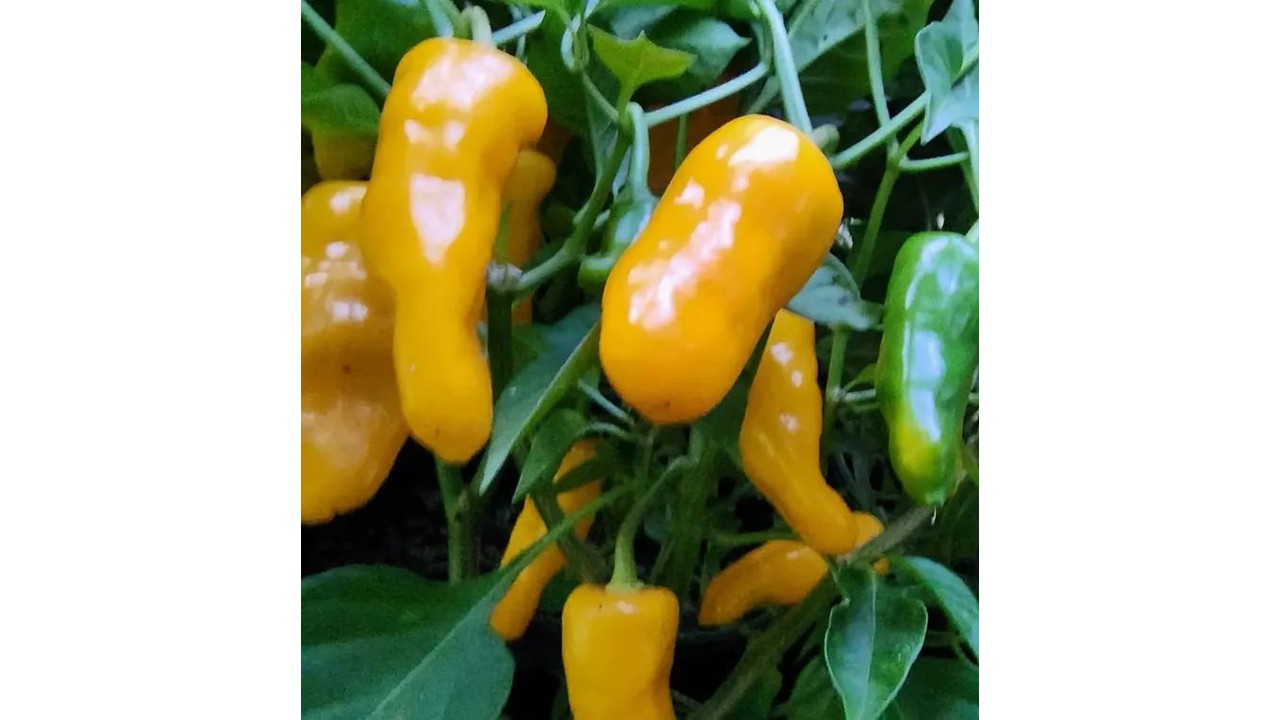
The Datil pepper has deep roots in St. Augustine, Florida, where it is believed to have been introduced over a century ago by immigrants from Minorca, Spain. Its exact origins remain a topic of debate, but it has become closely associated with Florida’s culinary traditions and local hot sauce culture. The pepper is small, typically 2 to 3 inches long, with a bright yellow to orange hue when fully ripe. Despite its modest size, it delivers a potent heat ranging from 100,000 to 300,000 Scoville Heat Units (SHU), rivaling and in some cases surpassing habaneros. Its heat is complemented by a sweet, fruity, and slightly tangy flavor that makes it ideal for both cooking and hot sauce production.
Culinary applications for Datil peppers are extensive. They are commonly used in sauces, marinades, salsas, and spice blends, providing a balance of heat and flavor that enhances a variety of dishes. The pepper’s fruity notes pair exceptionally well with seafood, chicken, pork, and even tropical fruits, making it versatile in both traditional and contemporary cuisine. In addition to fresh use, Datil peppers can be dried, smoked, or fermented, offering multiple methods for capturing their distinctive flavor and heat. Their small size allows for precision in spicing, making them ideal for chefs and home cooks seeking controlled yet impactful heat.
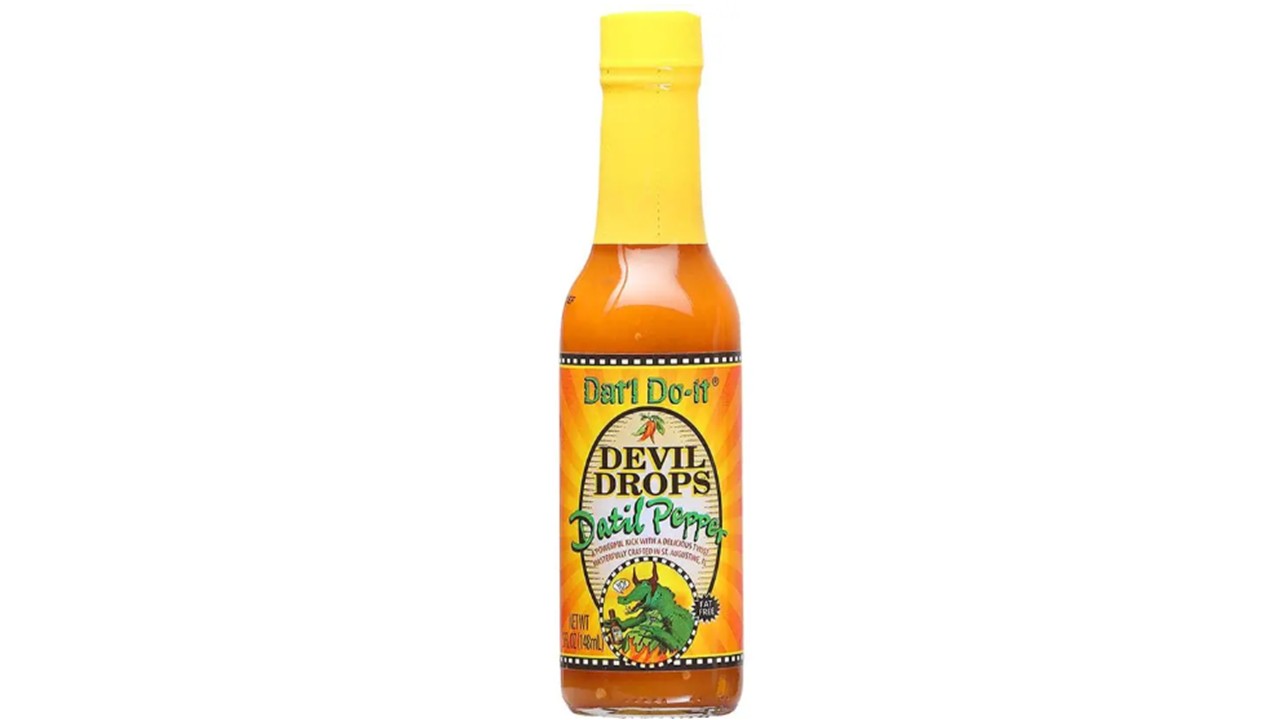
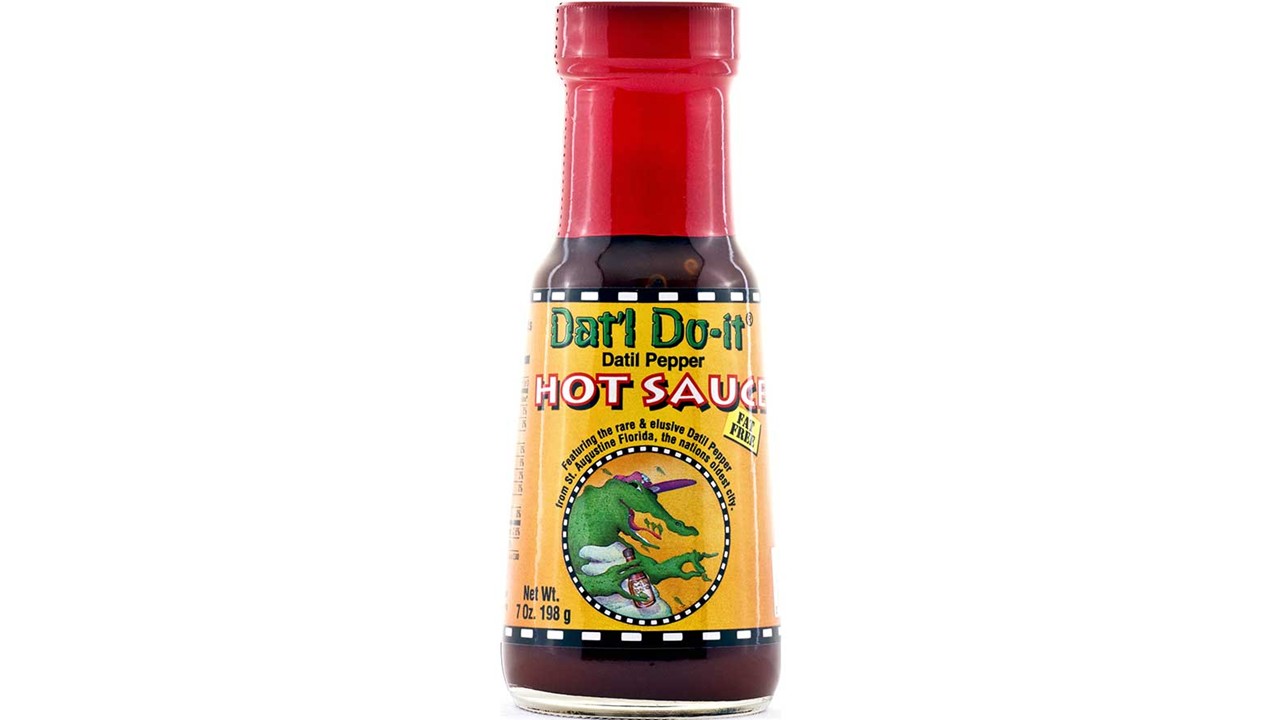
Hot sauce production has become one of the most celebrated uses of Datil peppers. Brands such as Peppers of Key West have embraced this pepper to create small-batch, artisan hot sauces that highlight its unique flavor and intense heat. Datil-based sauces often combine the pepper with complementary ingredients such as vinegar, citrus, garlic, and tropical fruits, resulting in a balanced, complex condiment that appeals to both heat seekers and flavor enthusiasts. The pepper’s versatility allows for a range of products, from fiery sauces for adventurous eaters to milder, flavor-forward sauces suitable for everyday use.
Beyond flavor, Datil peppers offer potential health benefits that enhance their appeal. Like other chili peppers, they contain capsaicin, a bioactive compound associated with thermogenesis, metabolism support, and cardiovascular health. Capsaicin may also help with digestion, reduce inflammation, and provide antioxidant properties. Datil peppers are rich in vitamins A and C, which support immune health, skin integrity, and overall wellness. Incorporating Datil peppers into cooking or artisan hot sauces allows individuals to enjoy both the heat and functional benefits of this exceptional chili.
Growing Datil peppers requires specific attention to climate and soil conditions. They thrive in warm, sunny environments with well-draining soil and consistent care. Gardeners must protect plants from pests and disease while ensuring adequate water and nutrient supply. The peppers mature from green to yellow or orange, signaling peak flavor and heat. Harvested peppers can be used fresh, dried, or processed into artisan hot sauces, making them a favorite for home gardeners, specialty chefs, and boutique hot sauce producers such as Peppers of Key West.
The heat of Datil peppers is notable for its intensity but is often described as more nuanced than some other super-hot varieties. The pepper delivers a bright, clean heat that complements dishes without overpowering other flavors. Culinary experts often pair Datil peppers with acidic ingredients like lime or vinegar, aromatic herbs, and mild sweetness to enhance their natural fruity undertones. In hot sauces, this balance results in a rich, layered experience that is both spicy and flavorful, appealing to a wide audience of hot sauce enthusiasts.
Culturally, the Datil pepper is closely tied to the history of St. Augustine, Florida, and has become a symbol of the region’s culinary identity. Local restaurants, festivals, and hot sauce brands celebrate the pepper, showcasing its versatility and heat. Its story reflects a blend of heritage, tradition, and culinary innovation, demonstrating how a small chili pepper can make a lasting impact on regional cuisine while inspiring global appreciation.
Artisan hot sauce production emphasizes the pepper’s unique qualities, preserving its freshness, heat, and flavor through small-batch techniques. Peppers of Key West uses Datil peppers in several premium sauces that highlight the pepper’s bright, fruity flavor, balanced with tangy vinegar, garlic, and tropical influences. These sauces are versatile enough to complement grilled meats, seafood, roasted vegetables, tacos, and even breakfast dishes, making them a culinary staple for anyone seeking authentic, bold, and flavorful hot sauces.
For home cooks and chefs alike, the Datil pepper encourages experimentation in cooking and hot sauce crafting. Its concentrated heat allows for small amounts to produce significant impact, while its fruity, citrusy flavor enhances marinades, sauces, salsas, and spice blends. From traditional recipes to modern innovations, Datil peppers inspire creativity, adding both flavor and heat to meals while providing the foundation for exceptional artisan hot sauces from Peppers of Key West.
In conclusion, the Datil pepper is a small chili with extraordinary flavor, heat, and versatility. From traditional regional cuisine to modern artisan hot sauce production, particularly by brands like Peppers of Key West, Datil peppers offer culinary excitement, potential health benefits, and a connection to a rich cultural heritage. Whether used fresh, dried, or incorporated into bold hot sauces, the Datil pepper is a must-have ingredient for chefs, hot sauce enthusiasts, and anyone passionate about flavorful, spicy cuisine.
Frequently Asked Questions:
What is a Datil pepper?
A Datil pepper is a small, intensely hot chili native to St. Augustine, Florida, known for its fruity, sweet, and slightly tangy flavor, commonly used in hot sauces, salsas, and marinades.
How hot are Datil peppers?
Datil peppers range from 100,000 to 300,000 Scoville Heat Units, making them comparable to habaneros in heat.
What dishes use Datil peppers?
They are used in hot sauces, salsas, marinades, seafood dishes, poultry, pork, roasted vegetables, and tropical-inspired recipes.
Are there health benefits to Datil peppers?
Yes. Datil peppers contain capsaicin, which may support metabolism, aid digestion, provide anti-inflammatory effects, and contribute to cardiovascular and immune health.
Can Datil peppers be used in hot sauce?
Absolutely. Datil peppers are ideal for small-batch artisan hot sauces, including premium offerings from Peppers of Key West that highlight the pepper’s heat and flavor.
