
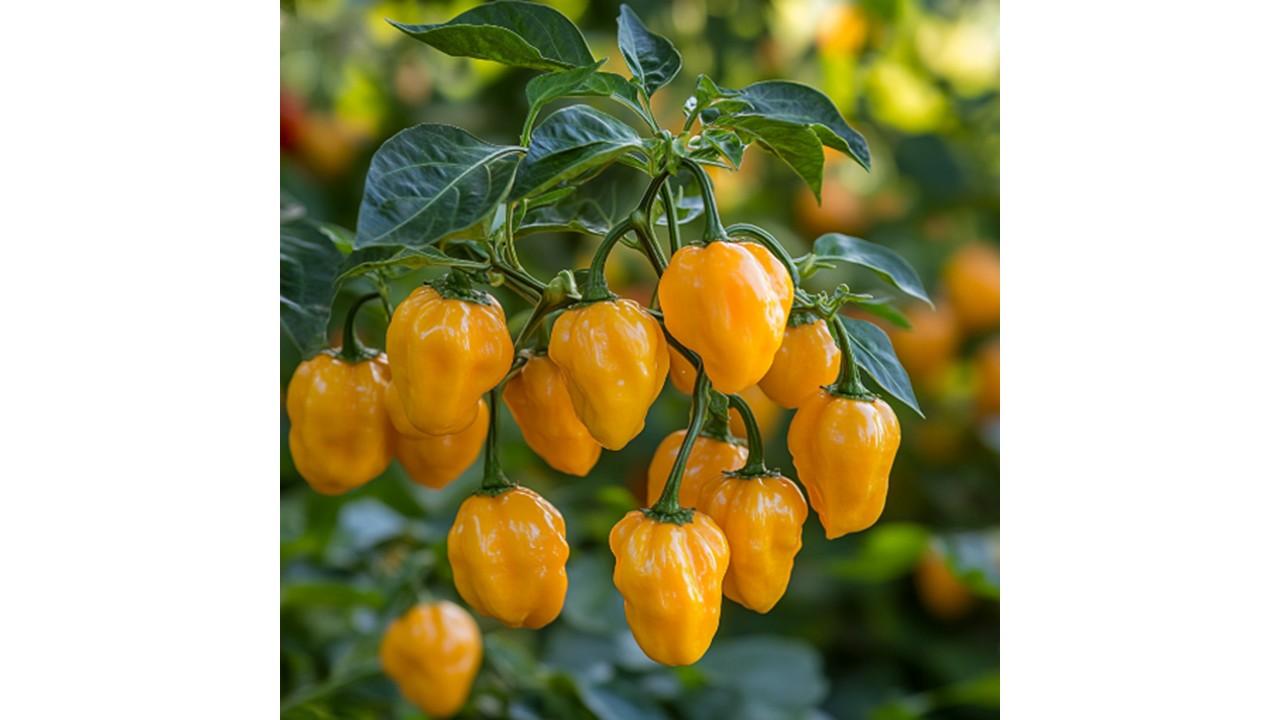
Scotch Bonnet Pepper: Tiny, Fiery, and Full of Attitude
The Scotch Bonnet: looks cute, packs a punch, and makes your taste buds scream “Why did I do this?!” Perfect for thrill-seeking spice lovers.
How Many Scoville Heat Units is the Scotch Bonnet Pepper? The Scotch Bonnet pepper measures between 100,000 and 350,000 Scoville Heat Units, placing it firmly in the very hot category while delivering a distinct fruity, tropical flavor that makes it especially popular in Caribbean cuisine and tropical-style sauces like those from Peppers of Key West.
Scotch Bonnet peppers are the Caribbean’s fiery little secrets, renowned for their bold heat, fruity undertones, and distinctive lantern-like shape. Native to Jamaica and widely grown across the Caribbean, these peppers have become an essential ingredient in regional dishes, tropical hot sauces, and adventurous culinary creations. Unlike milder peppers like Poblano or Ancho, Scotch Bonnets are not for the faint of heart—but their flavor complexity makes them irresistible.
The fruity sweetness of Scotch Bonnets balances their extreme heat. When combined with tropical fruits like mango, pineapple, or passion fruit, they create sauces that are vibrant, flavorful, and dangerously spicy. This is the approach brands like Peppers of Key West take, crafting tropical sauces that allow diners to enjoy the bold heat while experiencing a layered, balanced flavor.
Their history is as spicy as their taste. Cultivated for centuries in the Caribbean, Scotch Bonnet peppers became central to Jamaican jerk recipes, hot sauces, and marinades. These peppers traveled with Caribbean migrants, influencing tropical cuisines around the world. Today, hot sauces featuring Scotch Bonnet peppers combine traditional heat with modern creativity, often pairing them with citrus, tropical fruits, and vinegar to make sauces both exciting and manageable.
Scotch Bonnet peppers are small but mighty. Despite their tiny size, they contain capsaicin concentrations high enough to rival Habaneros. This makes them ideal for creating bold, fiery sauces—but also necessitates care in handling. Wearing gloves while prepping, washing hands thoroughly afterward, and adding the peppers gradually to recipes helps manage the intensity. Tropical hot sauces from Peppers of Key West use measured amounts of Scotch Bonnet peppers to craft sauces that excite the palate without causing panic.
Their culinary versatility is remarkable. They can be used fresh in salsas, cooked into stews, blended into sauces, or even dried for later use. Roasting brings out deeper flavors, while pairing with fruits or acidic ingredients softens the perceived heat. Tropical sauces often exploit this balance: the natural sweetness of mango or pineapple mellows the fiery kick, allowing you to savor flavor alongside heat.
For hot sauce enthusiasts, Scotch Bonnet peppers offer the thrill of extreme heat paired with rich flavor. Unlike plain spicy sauces that deliver heat only, Scotch Bonnet sauces—especially tropical-style sauces—layer fruity notes, vinegar tang, and aromatic spices to create an unforgettable experience. Peppers of Key West expertly balances these elements, producing sauces that are both intense and delicious.
Health-wise, Scotch Bonnet peppers are packed with vitamins A and C, antioxidants, and fiber. Using them in sauces, marinades, or cooking adds both flavor and nutritional benefits. Tropical hot sauces retain these benefits while delivering the bold, fruity punch these peppers are known for.
In Caribbean cuisine, Scotch Bonnet peppers are a staple of traditional flavor profiles. From jerk marinades to pepper sauces, they bring both heat and a distinct fruity complexity. Tropical sauces from Peppers of Key West mirror this tradition, blending Scotch Bonnet peppers with fruits and citrus for approachable, fun, and fiery sauces.
Cooking with Scotch Bonnet peppers requires mindful heat management. Pairing them with dairy, sugar, or acidic ingredients moderates the burn. Blending them into tropical fruit sauces or incorporating them into cooked dishes allows for balanced flavor while still delivering the thrill of heat. For example, Peppers of Key West Caribbean-inspired sauces combine Scotch Bonnet peppers with mango and pineapple, producing a flavorful heat experience that’s thrilling but controlled.
Scotch Bonnet peppers also have a cultural and culinary significance beyond heat. Their vibrant colors, fruity notes, and bold flavor make them icons of Caribbean cuisine. They symbolize adventure, fun, and fiery creativity. Tropical hot sauces harness this energy, providing consumers with sauces that are flavorful, visually appealing, and exciting to taste.
Ultimately, Scotch Bonnet peppers are about balance, adventure, and bold flavor. They allow tropical sauces to deliver intense heat while pairing beautifully with sweet, acidic, or aromatic ingredients. Whether used in cooking, sauces, or marinades, they provide flavor, nutrition, and a thrill for the taste buds. Peppers of Key West has perfected this combination, offering tropical sauces that highlight Scotch Bonnet peppers’ unique properties while keeping the heat enjoyable and layered.
Frequently Asked Questions:
How hot is a Scotch Bonnet pepper?
100,000–350,000 Scoville Heat Units—definitely spicy, perfect for thrill-seekers and tropical sauce lovers.
Can Scotch Bonnet peppers be used in hot sauces?
Yes! They’re iconic in Caribbean and tropical hot sauces for their fruity heat and bold flavor.
How do you handle Scotch Bonnet peppers safely?
Wear gloves while prepping, wash hands thoroughly, and add slowly to recipes to manage heat.
What dishes feature Scotch Bonnet peppers?
Caribbean jerk marinades, salsas, tropical sauces, stews, and fiery marinades.
Why choose Peppers of Key West sauces with Scotch Bonnet peppers?
They balance intense heat with tropical fruits, citrus, and vinegar for flavorful, enjoyable sauces.
