
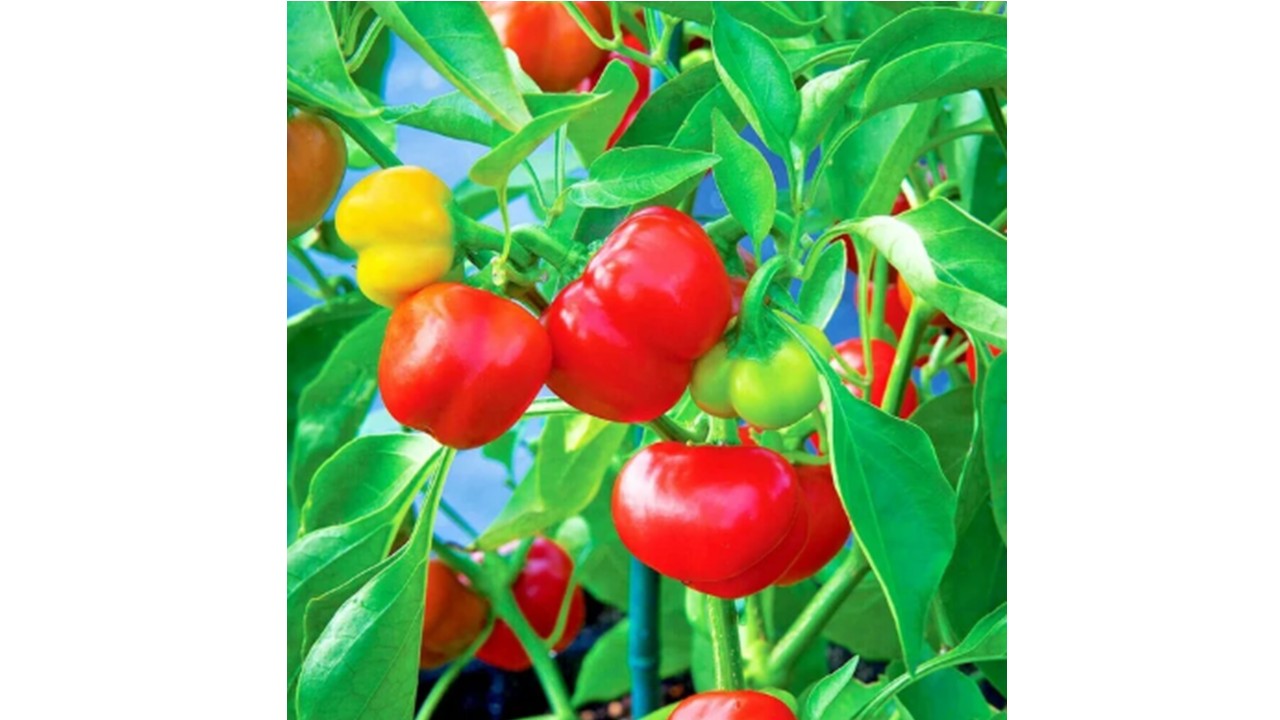
Peppadew Pepper: Sweet, tangy, and just a little sassy!
How Many Scoville Heat Units is the Peppadew Pepper? The Peppadew pepper measures between 1,000 and 1,500 Scoville Heat Units, placing it in the mild heat range while offering a sweet, tangy, and slightly fruity flavor that makes it perfect for salads, sauces, and gourmet dishes.
The Peppadew Pepper is a mild chili, typically ranging from 1,000 to 1,500 Scoville Heat Units (SHU). Its gentle heat makes it more about sweet, tangy, and slightly fruity flavor than spicy burn. Perfect for adding a pop of flavor to hot sauces, salsas, and pickled dishes, especially in a tropical hot sauce style like Peppers of Key West.
The Peppadew pepper, sometimes called the sweet piquanté pepper, is a South African treasure known for its bright red color, mild heat, and distinctive sweet-tangy flavor. Unlike many hot peppers, Peppadew peppers are more about flavor than fire, with a gentle 1,000 to 1,500 Scoville Heat Unit rating. This makes them ideal for gardeners, chefs, and hot sauce enthusiasts who want taste and color without intense heat, and a perfect complement to tropical hot sauces inspired by Peppers of Key West.
Peppadew peppers are unique in their round, slightly wrinkled shape and firm, juicy flesh. Their sweet, fruity flavor with a hint of tang makes them versatile in culinary applications, from fresh salsas and salads to pickled condiments and hot sauces. They pair wonderfully with garlic, lime, and tropical fruits, delivering a bright and flavorful punch without overwhelming heat. Their mildness also makes them a safe choice for family-friendly hot sauces or for those who prefer a gentle kick.
Growing Peppadew peppers requires some attention to climate and soil. These peppers thrive in warm, sunny environments with well-draining, fertile soil. Consistent watering is essential, but care should be taken not to overwater, as this can affect flavor and fruit quality. Fertilizing with a balanced nutrient formula helps encourage strong growth and robust fruit production. Gardeners often use containers, raised beds, or greenhouse environments to mimic the Peppadew’s native South African conditions.
Harvesting Peppadew peppers at the right time is essential for both flavor and appearance. Fully ripe peppers are bright red and firm to the touch. Because they are mild, even a generous portion adds flavor without excessive heat. These peppers are ideal for pickling, roasting, or blending into sweet-tangy hot sauces, giving a Peppers of Key West-inspired tropical flair. Preservation through freezing or pickling extends their shelf life while maintaining their signature sweetness.
Pest and disease management is important for Peppadew cultivation. Common garden pests include aphids, thrips, and caterpillars, while fungal issues can arise under humid conditions. Proper spacing, airflow, and organic pest control methods help maintain healthy plants. With the right care, a Peppadew plant can produce abundant, flavorful peppers that are visually striking and highly versatile.
In addition to culinary uses, Peppadew peppers are valued for their ornamental appeal. Their bright red fruit stands out in garden beds, containers, or patios, adding both color and charm. Staking or caging may be necessary for heavily fruiting plants, while pruning excess foliage improves sunlight exposure and airflow. Their combination of beauty, mild heat, and tangy sweetness makes Peppadews perfect for garden enthusiasts and hot sauce creators alike.
For tropical hot sauce applications, Peppadew peppers are a delight. They lend vibrant color and flavor without overpowering heat, making them an excellent addition to fruit-forward sauces. Combined with citrus, garlic, or tropical fruits, Peppadew peppers help create bright, flavorful sauces reminiscent of the tropical, sun-soaked style of Peppers of Key West hot sauces. Their mild heat allows other flavors to shine while still adding a hint of chili kick, perfect for a wide audience.
In conclusion, the Peppadew pepper is a versatile, flavorful, and visually appealing chili for gardeners, chefs, and hot sauce enthusiasts. Its mild heat, sweet-tangy flavor, and tropical appeal make it ideal for salsas, pickled condiments, or tropical-style hot sauces. With proper attention to soil, sunlight, watering, and pest management, Peppadew peppers provide a bountiful harvest of bright, flavorful fruit, perfect for both culinary creations and ornamental gardens.
Frequently Asked Questions:
What is the heat level of Peppadew peppers?
Very mild, ranging from 1,000 to 1,500 SHU, more about flavor than heat.
Can Peppadew peppers be used in hot sauces?
Yes, they add sweet, tangy, and colorful flavor perfect for tropical hot sauces.
How do I grow Peppadew peppers?
Plant in fertile, well-draining soil with full sun, water consistently, and protect from pests.
When should I harvest Peppadew peppers?
Harvest when fully red and firm for best flavor.
Are they good for pickling or roasting?
Yes, excellent for pickling, roasting, or blending into sauces and salsas.
