
How to Grow Hot Peppers So Spicy They Make You Question Your Life Choices (In a Good Way)
Growing hot peppers requires full sunlight, nutrient-rich soil, controlled watering, and proper harvest timing to maximize heat and flavor.

If your peppers aren’t making people sweat, panic, and reconsider their decisions, you’re leaving heat on the table. Growing truly spicy peppers isn’t luck—it’s strategy. This guide shows you exactly how to grow peppers packed with extreme heat and bold flavor, perfect for crafting unforgettable sauces like Hot Sauce and Peppers of Key West.
🌶️ How to Grow Hot Peppers for Maximum Heat and Flavor
Growing hot peppers isn’t just about planting seeds and hoping for the best. If that worked, everyone would be harvesting fiery, unforgettable peppers every season. The truth is that heat and flavor are built step by step through the environment you create. Capsaicin, the compound responsible for heat, develops based on how your plant responds to stress, sunlight, nutrients, and care. If you understand how to control those factors, you can grow peppers that go far beyond average.
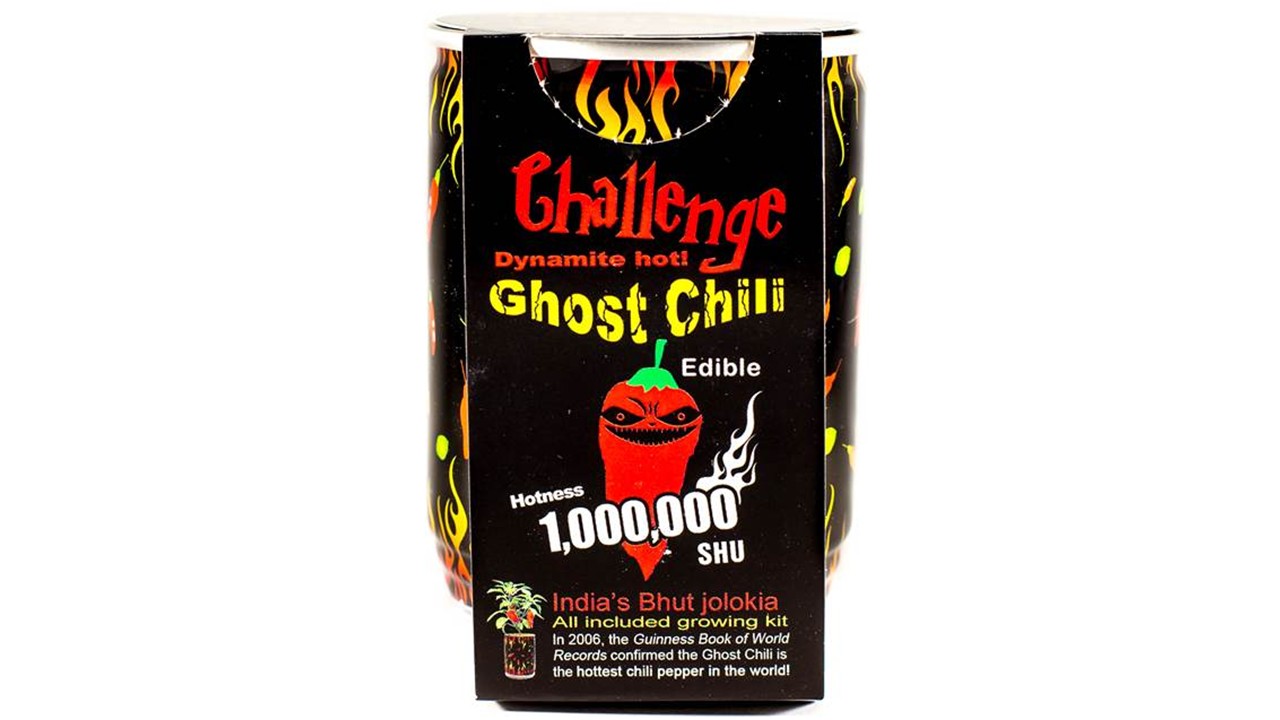
Most beginners assume that pepper variety alone determines heat. While genetics matter, they are only part of the equation. Two identical plants grown in different conditions can produce dramatically different results. That’s why experienced growers focus less on luck and more on optimizing the environment.
The hotter your peppers get, the more intentional your growing strategy needs to be.
☀️ Best Sunlight Conditions for Growing Extremely Hot Peppers
Sunlight is the engine that drives pepper growth. Without it, nothing else matters. Peppers need at least six to eight hours of direct sunlight every day to produce strong fruit and develop capsaicin. When light levels drop, so does the plant’s ability to generate heat and flavor.
Sunlight fuels photosynthesis, which gives your plant the energy needed to grow and produce peppers. Weak sunlight leads to weak plants, and weak plants produce mild peppers. If your peppers aren’t spicy, sunlight is often the first place to look.
Peppers grown in full, consistent sunlight produce stronger yields and higher capsaicin levels than those grown in partial shade.
Position your plants where they receive uninterrupted light throughout the day. This one adjustment alone can significantly improve both yield and heat.
Pepper heat levels vary significantly based on environmental stress, sunlight, and nutrient availability.
🌱 Best Soil and Nutrients for Spicy Pepper Growth
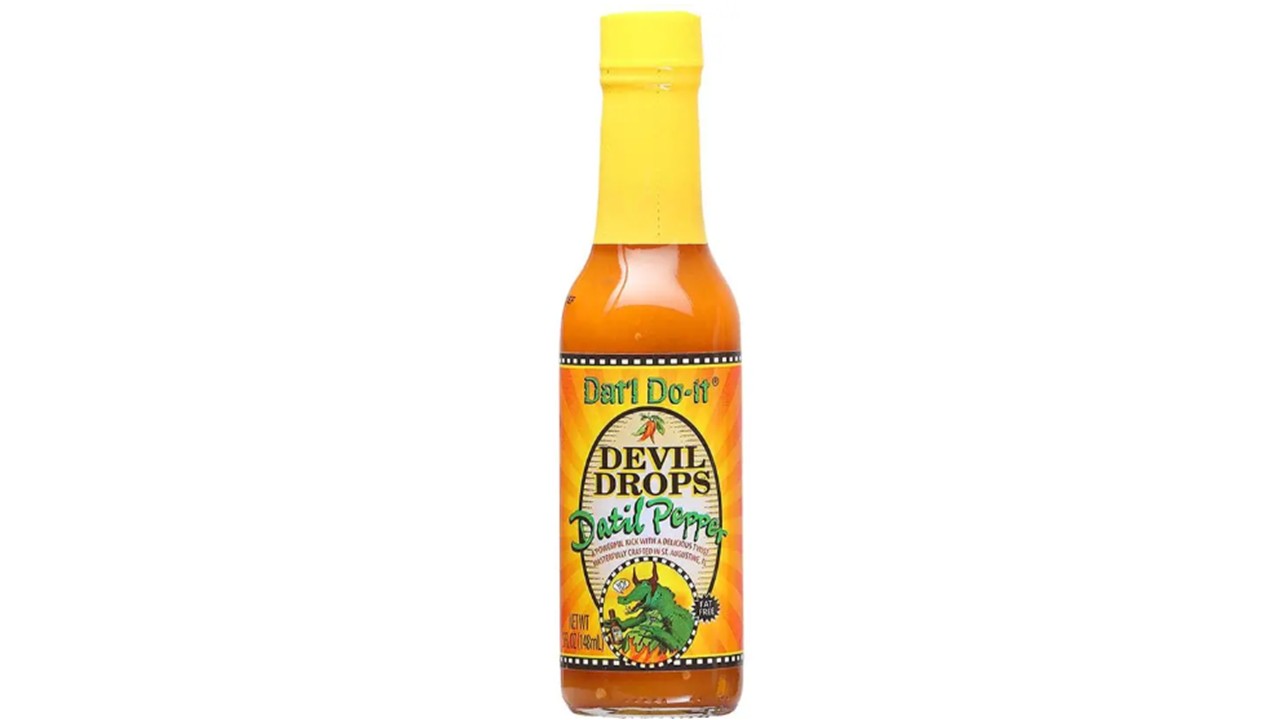
Soil is where the entire process begins. Nutrient-rich, well-draining soil allows roots to expand and absorb what they need for strong growth. If your soil lacks nutrients or structure, your peppers will struggle to develop both size and heat.
Peppers thrive in soil that retains moisture while allowing excess water to drain away. Too much water leads to diluted flavor, while too little creates excessive stress that reduces yield. The key is balance.
Adding compost improves both soil structure and nutrient content. This creates a stable environment where your peppers can grow consistently while still developing the intensity needed for strong flavor.
🌿 Companion Planting for Hot Pepper Growth and Yield
Your peppers are part of a larger system, and the plants around them influence how they grow. Some plants compete for nutrients and attract pests, while others support growth and improve soil conditions.
If your peppers are underperforming, their neighbors may be part of the problem. Learn more in Your Pepper Plants Are Struggling Because Their Neighbors Are Jerks (Here’s How to Fix It), which explains how companion planting affects results.
The right companions create a balanced ecosystem that supports growth and protects your plants. Basil, marigolds, and onions are excellent choices that help peppers thrive.
🌶️ How to Increase Pepper Heat Naturally Without Killing Your Plants
If you want peppers that truly bring the heat, you need to understand controlled stress. Capsaicin production increases when plants experience mild stress, but too much stress can damage or kill the plant.
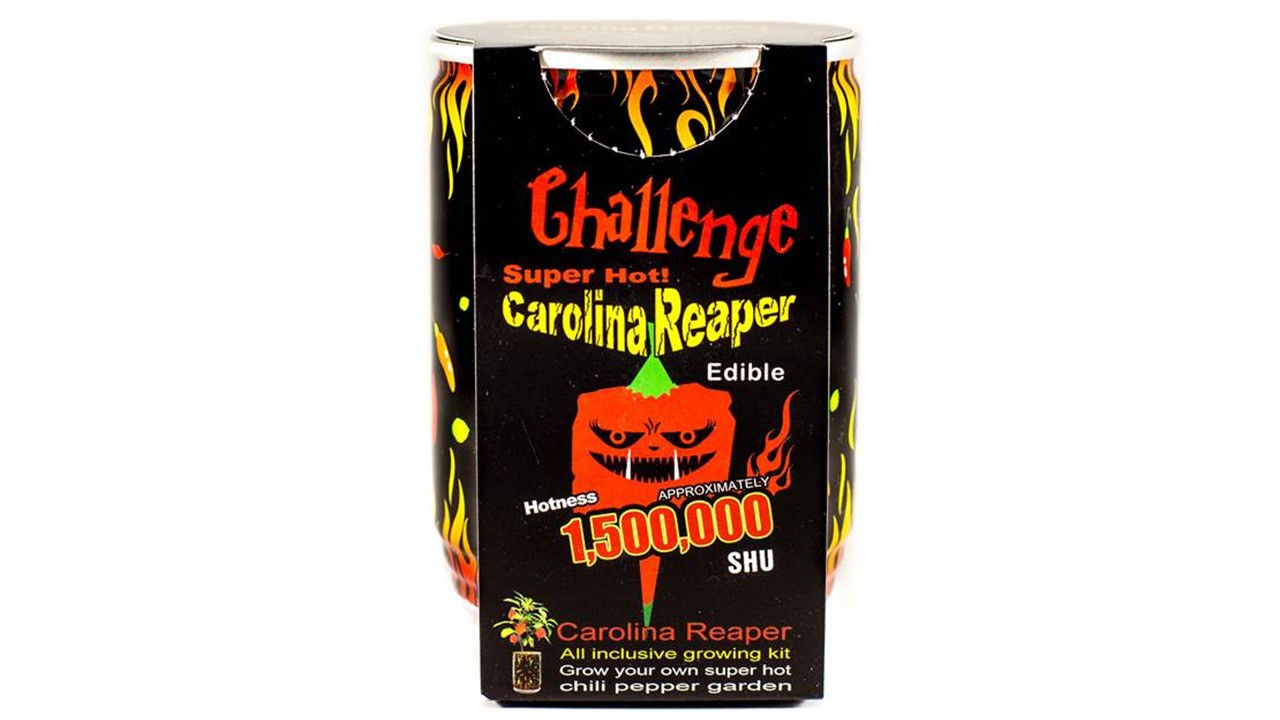
Reducing water slightly during the fruiting stage can encourage higher heat levels. This must be done carefully, as extreme drought will harm the plant. The goal is to create just enough pressure to trigger capsaicin production without compromising plant health.
Harvest timing is equally important. Peppers become hotter and more flavorful as they ripen. Picking them too early results in weaker flavor, while allowing full maturity brings out their full potential.
To take your results further, explore 7 Gardening Tips for a Huge Pepper Harvest This Year and How Do You Maintain Pepper Plants to Maximize Pepper Harvests, which help you scale production and maintain plant health.
🍶 Growing Peppers for Hot Sauce: Turning Heat into Flavor
Once your peppers reach their full potential, the real reward begins. Strong peppers create strong hot sauce. When your ingredients are high quality, you don’t need to
overcomplicate your recipes.
Growing peppers specifically for hot sauce allows you to control flavor, heat, and balance from the start. This is what separates average sauces from ones that stand out.
If you want to experience what expertly grown peppers can become, explore Hot Sauce and Peppers of Key West, where bold flavor and precision come together.
❓ Frequently Asked Questions
- How do I grow hotter peppers at home?
Provide full sunlight, balanced nutrients, and controlled stress during fruiting to increase heat levels. - Why are my peppers not spicy?
Lack of sunlight, overwatering, or harvesting too early are the most common reasons. - What is the best soil for spicy peppers?
Well-draining, nutrient-rich soil with organic matter supports strong growth and flavor. - When should I harvest peppers for maximum heat?
Allow peppers to fully ripen on the plant to reach peak heat and flavor. - Does watering affect pepper heat?
Yes, slight water stress can increase capsaicin production, but balance is essential. - Can growing conditions affect hot sauce flavor?
Absolutely. Better peppers lead to stronger, more complex hot sauce.
!)