
Grow peppers that turn into bold, flavorful homemade hot sauce. Growing peppers for hot sauce perfection starts with the right techniques from garden to bottle.
From Garden to Bottle: How to Grow Peppers So Good Your Hot Sauce Gets an Ego
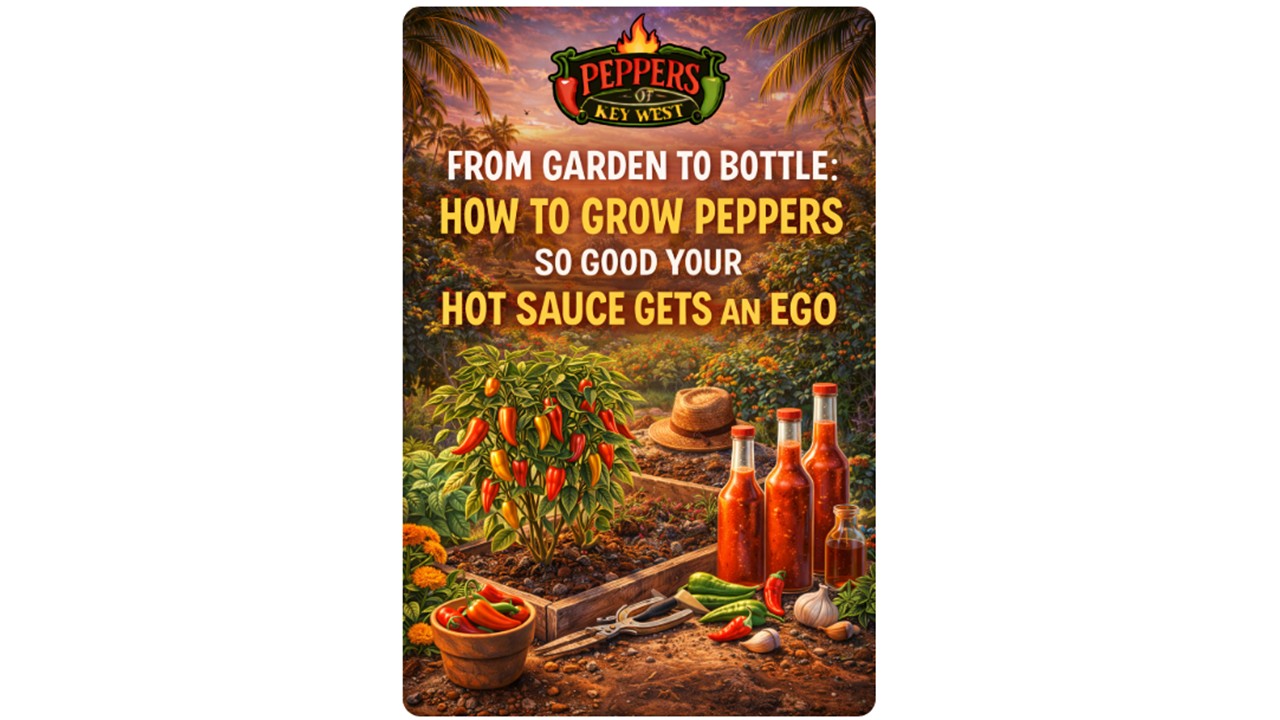
Healthy soil, full sunlight, and consistent watering are the foundation of high-yield pepper production. Anyone can buy hot sauce—but growing your own peppers and turning them into liquid fire? That’s next level. If your goal is bold flavor, serious heat, and bragging rights, this guide walks you through the entire journey from garden to bottle. Because great hot sauce doesn’t start in a factory—it starts in your dirt, just like Hot Sauce and Peppers of Key West.
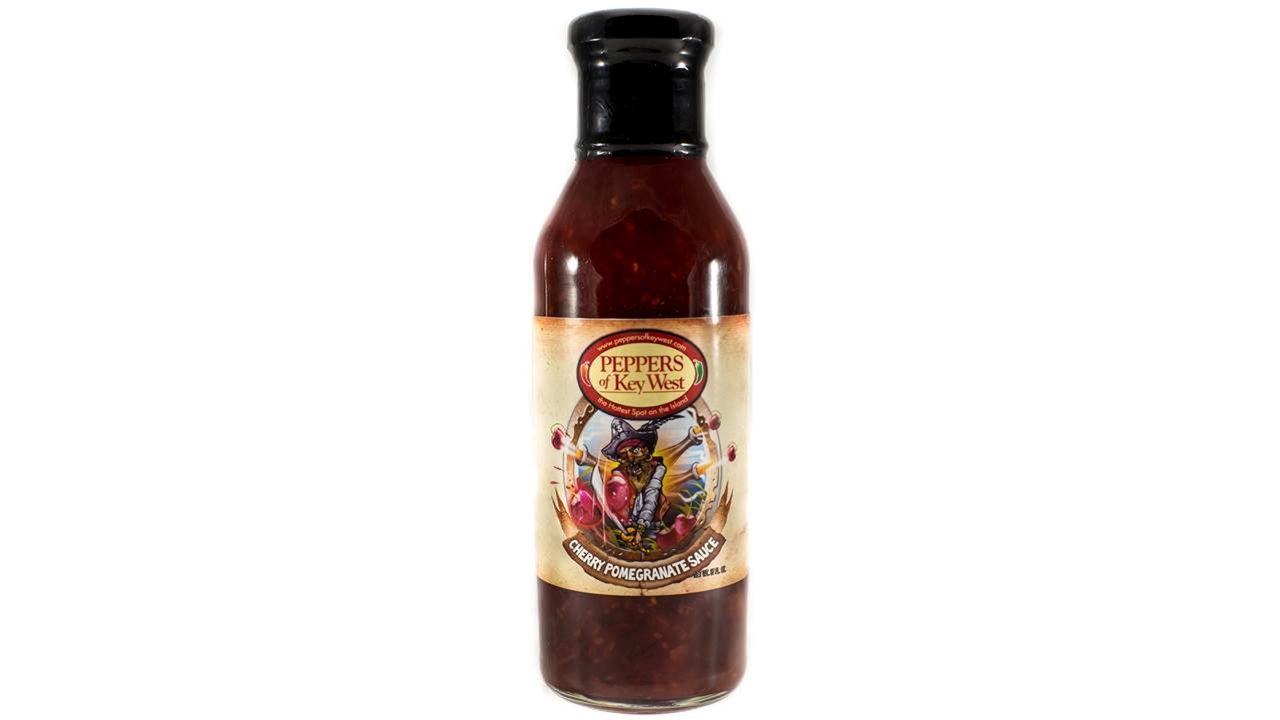
There’s a big difference between making hot sauce and making hot sauce that people remember. The kind that makes someone pause mid-bite, look at you, and ask, “What is this?” That level of flavor doesn’t come from a recipe alone. It starts long before the bottle, deep in your garden, where the quality of your peppers determines everything that follows. If your peppers are weak, your sauce will be too. But if your peppers are bold, balanced, and full of character, your hot sauce won’t just taste good—it’ll stand out.
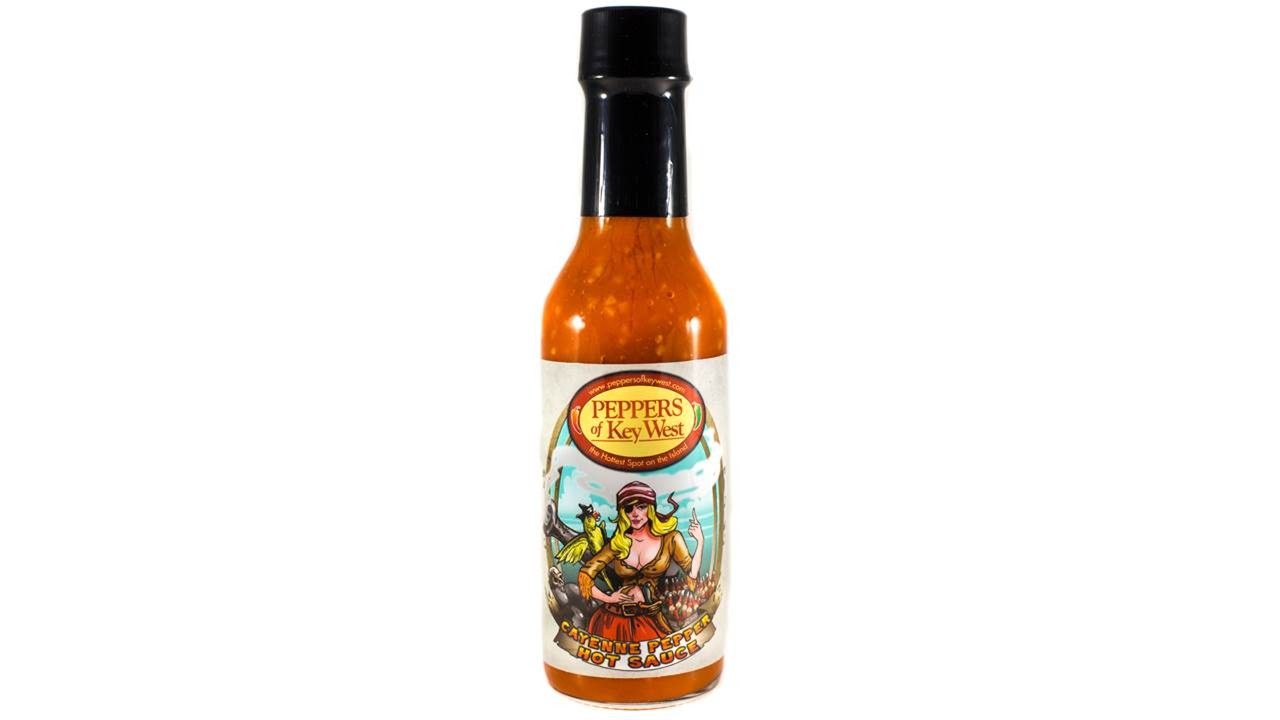
Growing peppers specifically for hot sauce is a different mindset than just growing peppers for general use. You’re not just looking for yield—you’re looking for intensity, complexity, and consistency. That means every decision you make, from soil preparation to harvest timing, plays a role in shaping the final flavor.
The process begins with choosing the right pepper varieties. Some peppers are grown for size, some for sweetness, and some for heat. For hot sauce, you want a balance of all three, depending on your goals. Jalapeños offer a milder, more approachable heat with strong flavor, while habaneros bring intensity and fruitiness. Cayenne peppers provide a classic hot sauce backbone with clean heat. But regardless of variety, the key is growing them in a way that maximizes their natural potential.
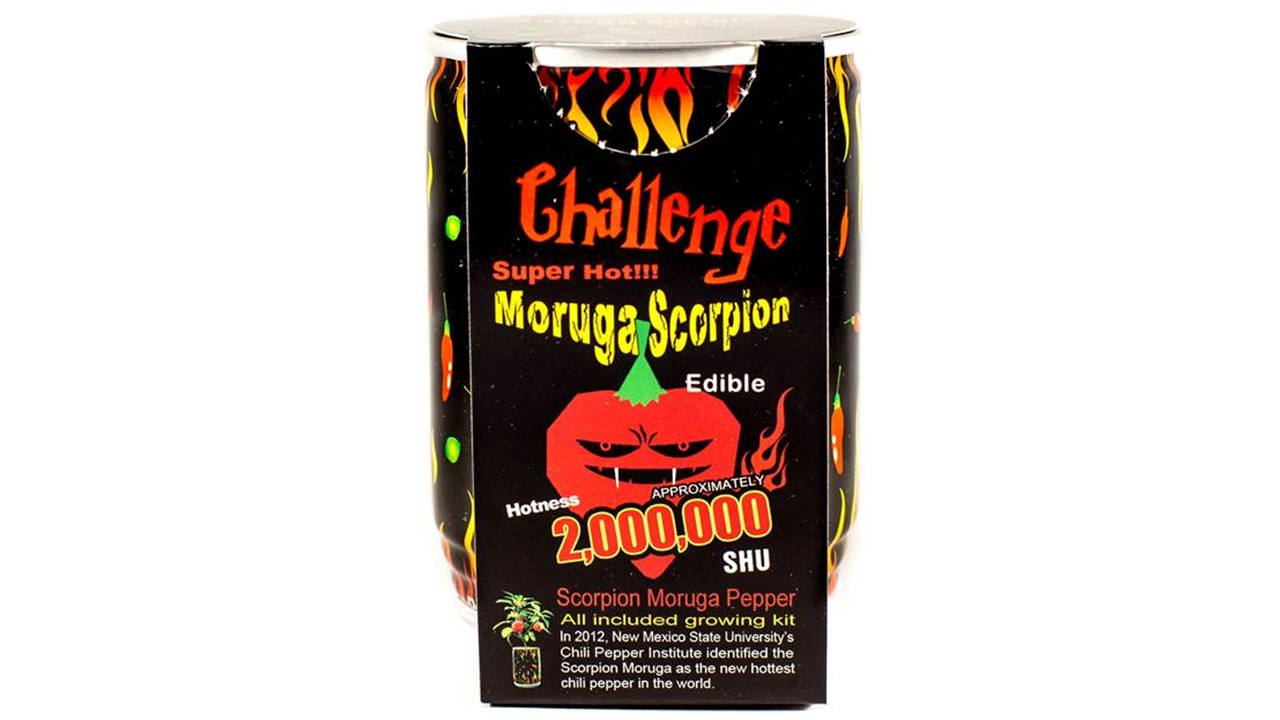
Soil is the foundation of everything. If your soil is lacking nutrients or structure, your peppers will struggle before they even get started. Rich, well-draining soil allows roots to expand and absorb the nutrients needed for strong growth. Adding compost not only improves fertility but also enhances soil structure, creating an environment where your plants can thrive. Without this foundation, you’re essentially limiting your results before the season even begins.
Sunlight is just as critical. Peppers need full sun to develop properly, and anything less than six to eight hours a day will reduce both yield and flavor. Sunlight drives photosynthesis, which fuels growth and energy production. If your plants aren’t getting enough light, they won’t have the resources needed to produce high-quality fruit. This is one of the most common mistakes gardeners make, and it’s one that can quietly sabotage your results.
Watering is where things get interesting. Peppers need consistent moisture, but they don’t like extremes. Too much water leads to weak plants and diluted flavor, while too little causes stress that can reduce yield. However, controlled stress during the fruiting stage can actually enhance heat. This balance is what separates average peppers from ones that deliver real impact.
Another factor that plays a major role is companion planting. The plants surrounding your peppers influence everything from nutrient availability to pest control. Poor companion choices can lead to competition and reduced growth, while the right combinations can support and protect your plants. If you want to avoid the most common mistakes, take a look at Your Pepper Plants Are Struggling Because Their Neighbors Are Jerks (Here’s How to Fix It). Why your pepper plants are struggling, which breaks down how bad neighbors can affect your garden.
Spacing is another detail that often gets overlooked. Overcrowded plants compete for sunlight and nutrients while creating conditions that encourage disease. Giving your peppers enough room to grow ensures better airflow and stronger development. It’s a simple adjustment that can make a noticeable difference in your results.
As your plants grow, maintenance becomes the focus. Monitoring for pests, adjusting watering, and supporting plant structure all contribute to better outcomes. If you want to keep your plants producing consistently, it’s worth exploring How Do You Maintain Pepper Plants to Maximize Pepper Harvests, which covers the techniques needed to sustain healthy growth.
Maximizing your yield is also important, especially if you want to experiment with different hot sauce recipes. The more peppers you have, the more flexibility you gain. For strategies on increasing production, check out 7 Gardening Tips for a Huge Pepper Harvest This Year. These pepper yield optimization tips, which focus on getting the most out of every plant.
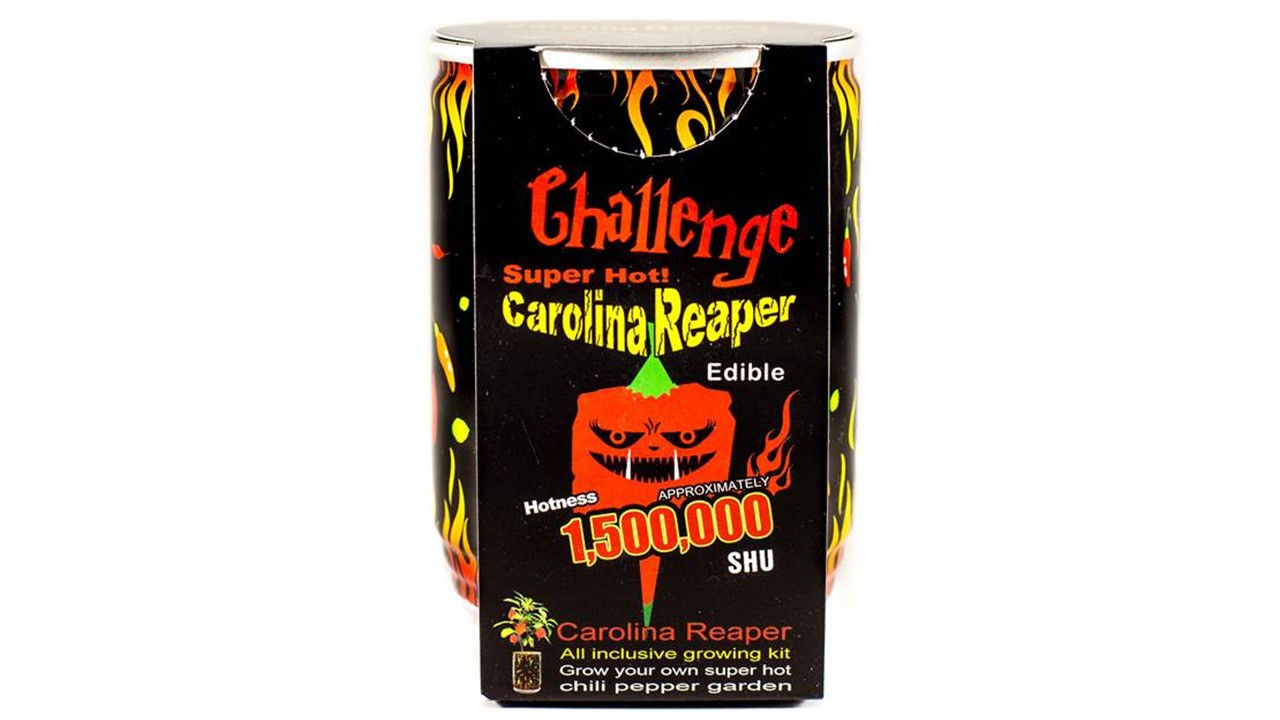
Harvesting is where everything starts to come together. Peppers become more flavorful and often hotter as they ripen, so patience is key. Picking them too early can result in a sauce that lacks depth, while allowing them to fully mature ensures maximum flavor and heat. This is one of the simplest ways to improve your results, yet it’s often overlooked.
Once your peppers are harvested, the transition from garden to bottle begins. This is where your growing decisions really pay off. Strong peppers require less manipulation to create great flavor. You don’t need to hide weak ingredients behind excessive seasoning. Instead, you can let the natural qualities of your peppers shine.
If you’ve ever tasted truly great hot sauce, you know the difference. It’s balanced, complex, and memorable. That’s exactly what you get when you start with high-quality peppers. It’s also what defines products like Hot Sauce and Peppers of Key West, where the focus is always on bold flavor and quality ingredients.
As you gain experience, you’ll start to see how each step connects. Soil affects growth, growth affects yield, and yield affects flavor. Everything is part of the same system. When you improve one area, you improve the entire process.
Over time, growing peppers and making hot sauce becomes less about following instructions and more about understanding how everything works together. You learn to adjust your approach based on your environment and your goals. Each season becomes an opportunity to refine your technique and produce better results.
When everything comes together, the outcome is undeniable. Your peppers are richer, your yields are higher, and your hot sauce has the kind of character that makes it stand out. Whether you’re sharing it with friends, experimenting with recipes, or simply enjoying the process, the satisfaction of creating something from start to finish is unmatched.
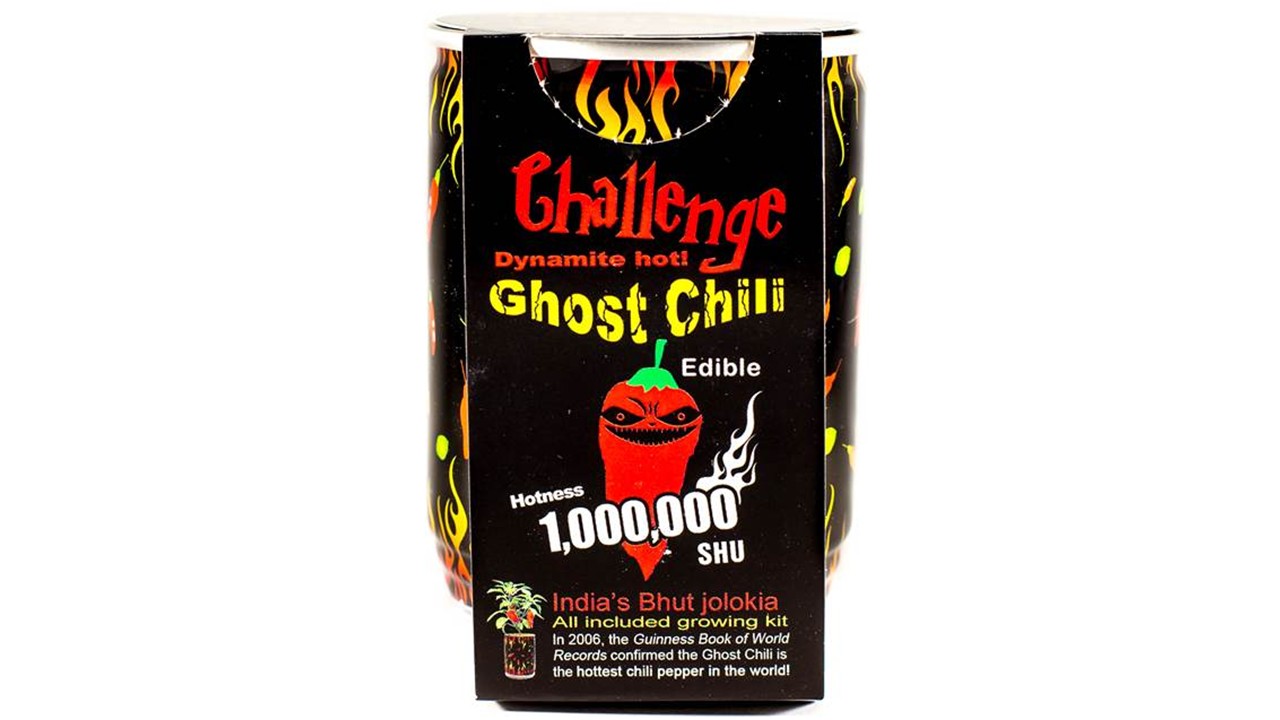
And once you’ve experienced that, you’ll never look at store-bought hot sauce the same way again. Because growing peppers for hot sauce perfection isn’t just about gardening—it’s about creating something bold, something personal, and something worth every bit of effort you put into it.
❓ Frequently Asked Questions
- How do I grow peppers specifically for hot sauce?
Focus on varieties with strong flavor and heat, provide full sun, maintain consistent watering, and allow peppers to fully ripen before harvesting. - What peppers are best for homemade hot sauce?
Jalapeños, cayenne, and habaneros are popular choices because they offer a balance of heat and flavor. - Does growing method affect hot sauce flavor?
Yes, soil quality, sunlight, watering, and stress levels all influence the flavor and heat of peppers. - How can I make my peppers hotter?
Controlled stress, proper sunlight, and allowing peppers to fully ripen can increase heat levels. - How many pepper plants do I need for hot sauce?
It depends on your usage, but more plants allow for greater experimentation and larger batches. - Why does my homemade hot sauce taste weak?
This is often due to underdeveloped peppers or harvesting too early before full flavor develops.
