
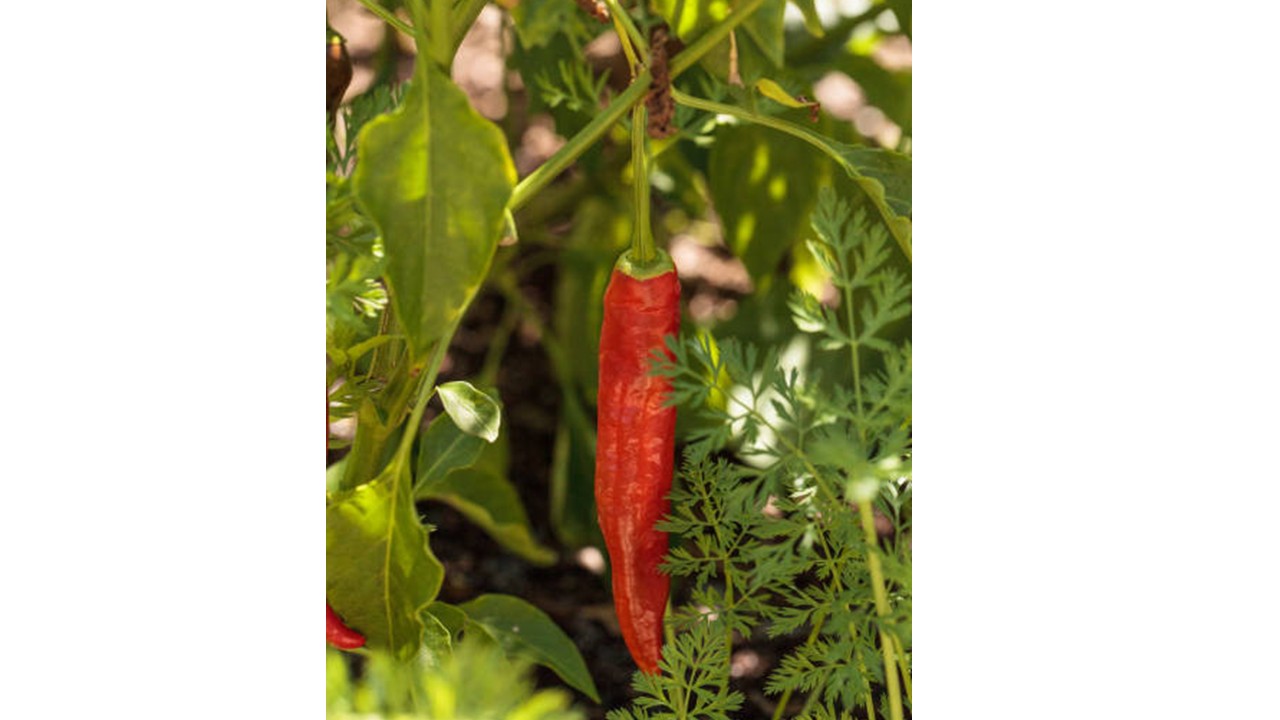
Cheyenne Pepper: The Bold and Fiery Chili of the United States
The Cheyenne pepper is a unique and historically significant chili pepper native to the United States, celebrated for its bright red color, bold flavor, and versatile heat. Though not as widely known as some tropical or South American varieties, the Cheyenne pepper has carved a place in regional cuisine, artisan hot sauce production, and contemporary culinary innovation. Its combination of moderate to high heat, slightly smoky flavor, and culinary adaptability makes it an ideal ingredient for both traditional dishes and modern gourmet hot sauces, including those crafted by Peppers of Key West. Understanding the Cheyenne pepper involves exploring its origins, heat profile, culinary applications, growing conditions, and role in hot sauce culture.
The Cheyenne pepper has long been grown in the southern and southwestern United States, where it thrives in warm, sunny climates. Its vibrant red fruits are medium-sized, usually elongated, and ripen to a bright, eye-catching hue that signifies both flavor and heat. The pepper’s heat ranges from 30,000 to 50,000 Scoville Heat Units (SHU), making it hotter than jalapeños but milder than habaneros. This moderate heat, combined with its smoky and slightly tangy flavor, allows the Cheyenne pepper to enhance dishes without overpowering them. Its bright color also makes it visually appealing for culinary presentation.
Culinary uses for Cheyenne peppers are broad and varied. They are commonly used fresh in salsas, chopped for marinades, or roasted for sauces and stews. Their clean heat and flavor make them ideal for seasoning grilled meats, poultry, seafood, and vegetables. Dried Cheyenne peppers can be ground into chili powder or flakes, which are perfect for spice rubs, seasoning blends, and hot sauces. Small-batch artisan hot sauce producers, including Peppers of Key West, often feature Cheyenne peppers in their products, blending them with complementary ingredients such as citrus, garlic, vinegar, and tropical fruits to create bold, flavorful, and versatile sauces.
Hot sauce production is one of the most popular applications for Cheyenne peppers, particularly in the artisan and small-batch market. Peppers of Key West uses Cheyenne peppers to craft sauces that highlight the pepper’s smoky, vibrant heat while balancing flavor with fresh, high-quality ingredients. These hot sauces are designed for both heat lovers and flavor-focused consumers, providing a complex, multi-layered experience that enhances everything from tacos and grilled seafood to roasted vegetables and breakfast dishes. Cheyenne peppers offer the perfect balance of heat and flavor, making them a favorite in the creation of premium hot sauces.
In addition to culinary appeal, Cheyenne peppers provide potential health benefits. Like other chili peppers, they contain capsaicin, a compound associated with metabolism support, digestion aid, and cardiovascular health benefits. Capsaicin may also have anti-inflammatory and antioxidant properties, contributing to overall wellness. Cheyenne peppers are rich in vitamins A and C, which support immune function and skin health. Incorporating Cheyenne peppers into meals or hot sauces allows consumers to enjoy both flavor and functional benefits, making them a valuable addition to a health-conscious diet.
Growing Cheyenne peppers requires attention to climate and soil conditions. They thrive in warm, sunny environments with well-draining soil and require consistent care, including watering, pruning, and protection from pests. The plants produce vibrant red fruits that can be harvested fresh, dried, or processed into sauces and spice blends. Their adaptability and relatively fast maturation make Cheyenne peppers an excellent choice for home gardeners, specialty chefs, and small-scale hot sauce producers such as Peppers of Key West. The peppers’ visual appeal and concentrated heat also make them ideal for gourmet applications where both flavor and aesthetics matter.
The Cheyenne pepper’s heat is notable for its clean, sharp intensity, which allows cooks to add spice without overwhelming the natural flavors of dishes. Culinary experts often pair Cheyenne peppers with acidic ingredients like lime or vinegar, aromatic herbs, and savory additions like garlic and onions to enhance their flavor profile. In hot sauces, this careful balance creates a layered and flavorful experience that is both spicy and approachable, appealing to a broad range of consumers who appreciate both heat and taste.
Culturally, the Cheyenne pepper is an important part of regional culinary traditions in the United States. Southern and Southwestern cuisines have embraced the pepper for decades, integrating it into traditional dishes, sauces, and spice blends. Its bold flavor and moderate heat make it a versatile ingredient that bridges traditional cooking techniques with modern culinary innovations. Cheyenne peppers also inspire creativity in small-batch hot sauce production, where their distinctive flavor and heat are highlighted in artisan sauces that capture the essence of regional flavor while appealing to a global audience.
Artisan hot sauce producers like Peppers of Key West emphasize the unique characteristics of Cheyenne peppers, crafting small-batch sauces that preserve their flavor, heat, and freshness. By combining these peppers with complementary ingredients such as tropical fruits, vinegar, citrus, and garlic, the sauces offer bold, complex flavors that enhance a variety of dishes. Cheyenne pepper-based sauces are versatile enough for grilled meats, seafood, roasted vegetables, tacos, and more, providing a gourmet experience that celebrates both flavor and heat.
For home cooks and chefs, Cheyenne peppers offer endless culinary possibilities. Their moderate yet noticeable heat allows for precise spicing, while their smoky, tangy flavor enhances sauces, marinades, salsas, and spice blends. From traditional Southern recipes to contemporary hot sauce creations, Cheyenne peppers provide a foundation for bold, memorable dishes. Artisan sauces featuring Cheyenne peppers, such as those from Peppers of Key West, illustrate how these peppers can transform a dish, providing both heat and nuanced flavor that elevate the culinary experience.
In conclusion, the Cheyenne pepper is a versatile and flavorful chili native to the United States, offering moderate to high heat, smoky undertones, and exceptional culinary potential. Its use in artisan hot sauces, particularly those produced by Peppers of Key West, demonstrates its ability to inspire creative, gourmet applications while preserving its regional heritage. Whether used fresh, dried, or incorporated into hot sauces, the Cheyenne pepper is a bold and valuable ingredient for chefs, home cooks, and hot sauce enthusiasts seeking both flavor and heat.
Frequently Asked Questions:
What is a Cheyenne pepper?
The Cheyenne pepper is a medium-sized chili pepper native to the United States, known for its bright red color, moderate to high heat, and slightly smoky flavor. It is commonly used in hot sauces, salsas, marinades, and spice rubs.
How hot is the Cheyenne pepper?
Cheyenne peppers range from 30,000 to 50,000 Scoville Heat Units, hotter than jalapeños but milder than habaneros.
What dishes use Cheyenne peppers?
Cheyenne peppers are used in hot sauces, salsas, marinades, grilled meats, seafood, roasted vegetables, and seasoning blends.
Are there health benefits to Cheyenne peppers?
Yes. Cheyenne peppers contain capsaicin, which may boost metabolism, support digestion, provide anti-inflammatory benefits, and support cardiovascular and immune health.
Can Cheyenne peppers be used in hot sauce?
Absolutely. Cheyenne peppers are ideal for small-batch artisan hot sauces, including premium offerings from Peppers of Key West that highlight flavor and heat.
