
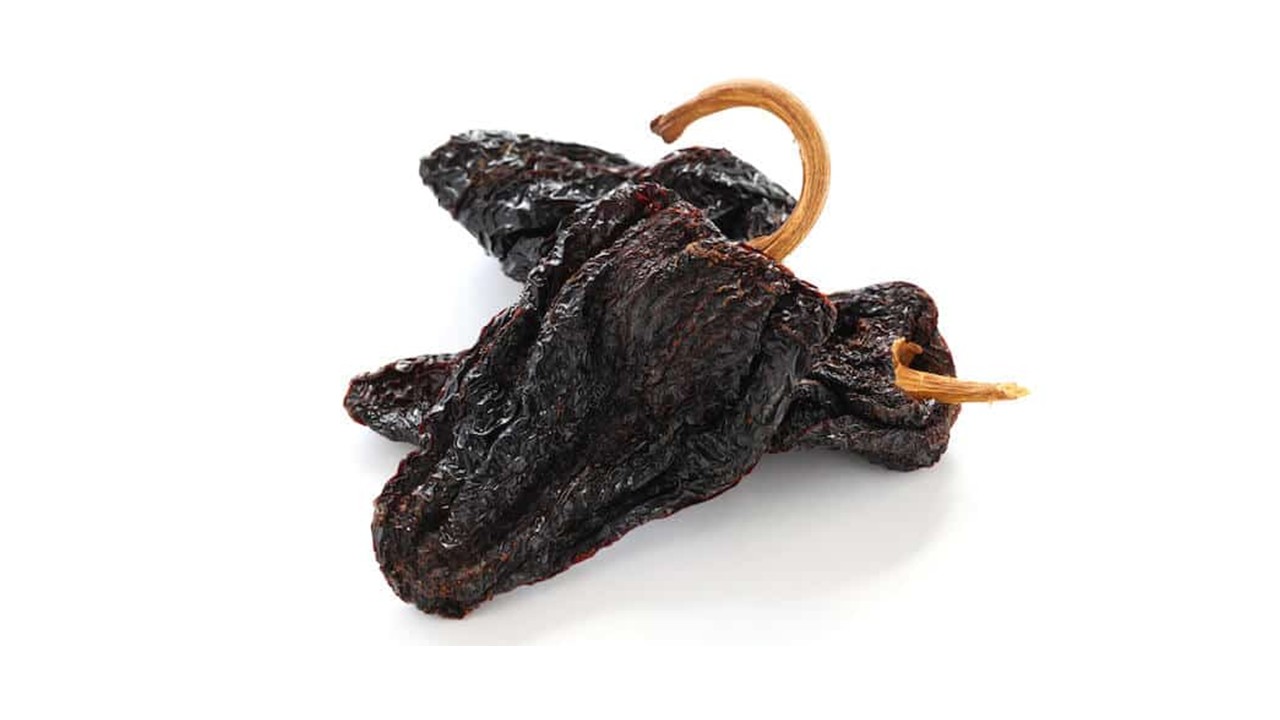
The Ancho pepper: like a Poblano after a sunbathing session—sweet, smoky, and slightly mysterious. Perfect for flavor without spontaneous combustion.
How Many Scoville Heat Units is the Ancho Pepper? The Ancho pepper, which is the dried version of the Poblano, measures between 1,000 and 2,000 Scoville Heat Units, placing it in the mild heat range while offering a sweet, smoky flavor that makes it perfect for sauces, salsas, and layered culinary dishes.
Ancho peppers are the understated stars of the chili world. They start life as Poblano peppers, then dry into their iconic deep red-brown form, transforming mild, fresh peppers into smoky flavor powerhouses. This slow transformation gives them a sweet, slightly fruity taste and a rich, earthy aroma that chefs and home cooks alike adore. Ancho peppers have become a staple in Mexican cuisine, prized for salsas, sauces, chili powders, and marinades.
One of the best things about Ancho peppers is their mild heat. With 1,000–2,000 SHU, they’re perfect for flavor layering without overwhelming the dish. This makes them ideal for hot sauces, especially when combined with tropical fruits or citrus, like in Peppers of Key West blends. These sauces use mild peppers like Ancho to provide body and flavor while allowing other elements—like mango, pineapple, or lime—to shine.
Ancho peppers also have a fascinating culinary versatility. You can grind them into powders for seasoning, soak them in water to rehydrate, or roast them for deeper flavor. They’re a common ingredient in mole sauces, chili pastes, and sweet-spicy blends. Brands like Peppers of Key West take advantage of Ancho’s mellow heat and rich flavor to craft tropical sauces that balance fruity sweetness with subtle warmth, creating a sauce that excites the palate without overwhelming it.
Their smoky, sweet taste makes Ancho peppers excellent for pairing with meats, vegetables, and even desserts. Roasting intensifies the sweetness, while blending with vinegar, citrus, or tropical fruits can create a balanced, flavorful sauce perfect for everyday meals or gourmet adventures. Peppers of Key West often uses Ancho as a base for their mild tropical sauces, blending it with habanero or Serrano for a gentle but exciting heat profile.
Ancho peppers’ history is as rich as their flavor. They’ve been grown in Mexico for centuries, particularly in Puebla. Traditionally, Poblanos are dried after harvest to become Anchos, a process that concentrates their sweetness and imparts subtle smokiness. These peppers traveled globally with Mexican cuisine, influencing sauces, salsas, and spice blends. Tropical hot sauces from brands like Peppers of Key West showcase this heritage, combining Ancho’s smoky sweetness with island-inspired tropical fruits for a unique, balanced heat experience.
In terms of cooking, Anchos are incredibly adaptable. They work well rehydrated in soups, blended into marinades, or pureed into sauces. Their mild heat allows chefs to experiment with tropical flavors like mango, pineapple, or citrus zest, crafting hot sauces that are flavorful and approachable. Peppers of Key West uses Ancho in their tropical sauces to provide a smooth, balanced base that pairs beautifully with fruit-forward elements, enhancing heat without dominating flavor.
Health-wise, Ancho peppers offer vitamins, antioxidants, and fiber, making them a nutritious choice for any dish. Incorporating them into sauces, stews, or marinades adds depth, complexity, and a subtle kick while maintaining health benefits. Tropical blends like those from Peppers of Key West combine these peppers with natural fruit ingredients to make sauces that are flavorful, fun, and wholesome.
Pairing Ancho peppers with complementary ingredients is key. Mild peppers like Ancho allow for sweet, acidic, or creamy pairings that tame any residual spice. Mango, pineapple, lime, and yogurt-based dishes are excellent companions. That’s why tropical hot sauces, especially from Peppers of Key West, often feature Ancho peppers as the foundation—they provide flavor without overpowering the palate.
For hot sauce enthusiasts, Ancho peppers provide a gentle introduction to spice. Unlike ghost peppers or habaneros, they allow diners to enjoy the flavor of chili without immediate pain. By combining Ancho with mild fruits, tropical acids, or subtle secondary peppers, sauces achieve complexity without intimidation. Peppers of Key West tropical sauces often use this approach, making them perfect for beginners and seasoned spice lovers alike.
The versatility of Ancho peppers also extends to desserts and unconventional pairings. Their natural sweetness allows for experimentation with chocolate, tropical fruit salsas, and fruity glazes. This flexibility makes them an excellent choice for tropical sauces, where sweetness, mild heat, and citrus combine to create a uniquely layered flavor profile.
Ultimately, Ancho peppers are about balance—mild heat, rich smokiness, and adaptability. They allow tropical-inspired sauces from brands like Peppers of Key West to shine, providing body, flavor, and subtle heat while letting fruits, citrus, and other peppers create the main experience. For everyday cooking, gourmet sauces, or adventurous recipes, Ancho is the mild hero your kitchen deserves.
Frequently Asked Questions:
How hot is an Ancho pepper?
1,000–2,000 Scoville Heat Units—mild, approachable, and perfect for flavor layering.
What is the difference between Poblano and Ancho peppers?
Poblanos are fresh; Anchos are dried Poblanos. Drying concentrates sweetness and adds smokiness.
Can Ancho peppers be used in hot sauces?
Absolutely! Their mild, smoky flavor makes them perfect for sauces like those from Peppers of Key West.
What dishes feature Ancho peppers?
Mole sauces, chili pastes, marinades, tropical sauces, and roasted dishes.
Why choose Peppers of Key West sauces with Ancho peppers?
They blend Ancho’s mild smokiness with tropical fruits and balanced heat, creating sauces that are flavorful, approachable, and exciting.
