
Soil Secrets: How to Measure pH Without Losing Your Mind (or Your Hot Peppers!)
Soil pH measures how acidic or alkaline your soil is and can be tested using kits, digital meters, or lab analysis to ensure proper nutrient absorption and plant growth.
Soil pH is one of the most important factors in plant health because it determines how effectively pepper plants can absorb essential nutrients from the soil.
If your peppers are acting dramatic, refusing to grow, or producing flavorless disappointment, your soil pH might be the silent troublemaker. This guide breaks down how to measure and fix soil pH, so your peppers thrive—and your hot sauce actually tastes like something worth bragging about, just like Hot Sauce and Peppers of Key West.
🌱 How to Measure Soil pH for Pepper Plants the Right Way
If you want to grow peppers that are strong, productive, and packed with flavor, everything starts with your soil. And not just any part of it—the pH. Soil pH controls how well your plants can absorb nutrients, and if it’s off, even the best watering, sunlight, and fertilizer routines won’t fix your results. Many gardeners struggle because they focus on what they can see, like leaves and fruit, while ignoring what’s happening underground.
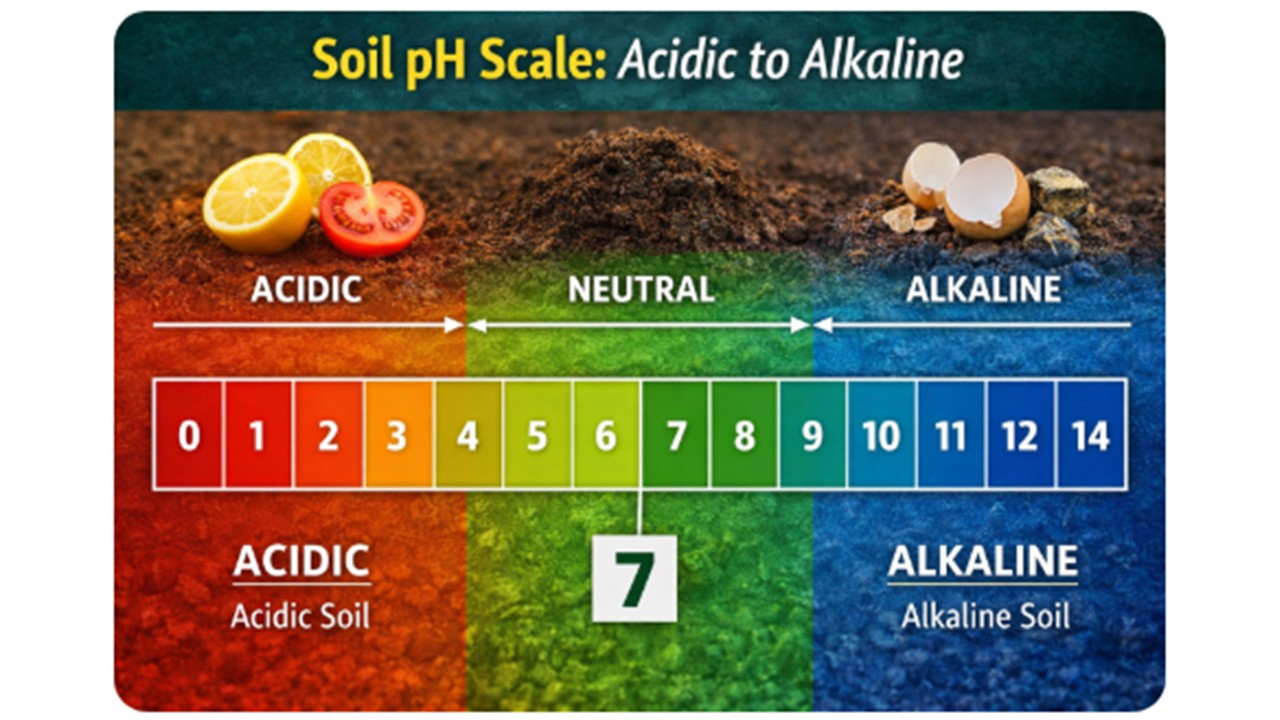
Measuring soil pH isn’t complicated, but it’s often misunderstood. A simple soil test kit or meter can quickly tell you whether your soil is too acidic, too alkaline, or just right. Peppers prefer a slightly acidic to neutral range, typically between 6.0 and 7.0. Outside of this range, nutrients become less available, and your plants begin to struggle.
Even when nutrients are present in the soil, an imbalanced pH can prevent pepper plants from accessing them, leading to weak growth and poor yields.
If your soil pH is wrong, nothing else you do will fully fix your pepper plants.
⚖️ Best Soil pH for Growing Hot Peppers Successfully
Getting your soil pH into the optimal range is one of the most important steps in growing peppers. When pH is balanced, nutrients like nitrogen, phosphorus, and potassium become fully available to your plants. This leads to stronger growth, better yields, and more flavorful peppers.
When soil is too acidic, certain nutrients become overly available and can cause imbalance. When it’s too alkaline, essential nutrients become locked out, preventing plants from accessing what they need. The result is weak plants, slow growth, and poor fruit production.
Balanced soil pH is essential for nutrient absorption, plant health, and maximizing pepper yield and flavor.
Understanding this balance allows you to create an environment where your peppers can thrive instead of struggle.
Pepper plants perform best in slightly acidic soil because this range allows optimal availability of nitrogen, phosphorus, and potassium.
🧪 How to Test Soil pH at Home Without Confusion
Testing soil pH at home is easier than most people think. Basic test kits are widely available and provide quick, reliable results. Digital meters offer even faster readings, making it simple to monitor your soil regularly.
To test your soil, collect a small sample from your garden, follow the instructions on your testing kit, and compare the results to the recommended range for peppers. Testing multiple areas ensures accuracy, especially if your garden has different soil conditions.
Consistency matters. Testing once is helpful, but monitoring over time gives you a clearer picture of how your soil changes and how your adjustments affect plant growth.
Regular soil testing helps gardeners detect pH imbalances early, allowing corrections before they negatively impact plant health and productivity.
🌿 How to Fix Soil pH for Better Pepper Growth and Yield
Once you know your soil pH, the next step is correcting it. If your soil is too acidic, adding lime can help raise the pH. If it’s too alkaline, sulfur or organic matter can help lower it.
Adjustments should be gradual. Sudden changes can shock your plants and disrupt soil balance. Instead, make small corrections and test regularly to track progress.
Fixing soil pH doesn’t just improve growth—it improves everything. Stronger plants produce better peppers, and better peppers lead to better results in your kitchen.
To take your results even further, explore
- How to Grow Hot Peppers So Spicy They Make You Question Your Life Choices (In a Good Way)!, along with
- 7 Gardening Tips for a Huge Pepper Harvest This Year and
- How Do You Maintain Pepper Plants to Maximize Pepper Harvests.
🌶️ Soil pH and Hot Sauce Flavor: Why It Matters More Than You Think
Soil pH doesn’t just affect how your plants grow—it affects how your peppers taste. When nutrients are properly absorbed, peppers develop richer flavor, better texture, and more consistent heat.
If you’re growing peppers for hot sauce, this becomes even more important. The quality of your peppers directly determines the quality of your sauce. Strong, well-grown peppers require less adjustment and deliver more natural complexity.
Consistent soil balance not only improves plant growth but also enhances the flavor, texture, and heat of the peppers produced.
That’s exactly what makes Hot Sauce and Peppers of Key West stand out. When peppers are grown under the right conditions, the flavor doesn’t need to be forced—it happens naturally.
❓ Frequently Asked Questions
- What is the ideal soil pH for pepper plants?
Pepper plants grow best in soil with a pH between 6.0 and 7.0. - How do I test soil pH at home?
Use a soil test kit or digital meter to measure pH quickly and accurately. - What happens if soil pH is too high or low?
Nutrients become unavailable, leading to weak growth and poor yields. - How often should I test soil pH?
Test at least once per growing season, or more frequently if making adjustments. - Can soil pH affect pepper flavor?
Yes, balanced pH improves nutrient uptake, which enhances flavor and heat. - Does soil pH impact hot sauce quality?
Absolutely. Better peppers produce stronger, more flavorful hot sauce.
!)