
7 Gardening Tips for a Huge Pepper Harvest This Year
Growing peppers successfully is one of the most rewarding experiences for gardeners who crave bold flavor, vibrant color, and the satisfaction of harvesting their own ingredients for cooking and hot sauce making. Whether you are cultivating sweet bell peppers or fiery chili varieties, maximizing your harvest requires more than simply planting seeds and hoping for the best. With the right approach, you can dramatically increase your yield and enjoy a season overflowing with fresh peppers that can be transformed into everything from fresh salsas to handcrafted hot sauce creations inspired by flavors like those from Peppers of Key West.
The foundation of a massive pepper harvest begins with choosing the right varieties for your growing environment. Peppers thrive in warm climates, but selecting cultivars suited to your specific region ensures better productivity and resilience. Heirloom varieties often deliver unique flavors perfect for hot sauce, while hybrid types can offer disease resistance and higher yields. Starting seeds indoors several weeks before the last frost gives your plants a strong head start, allowing them to establish healthy root systems before transplanting outdoors. This early advantage translates directly into more vigorous plants capable of producing larger harvests.
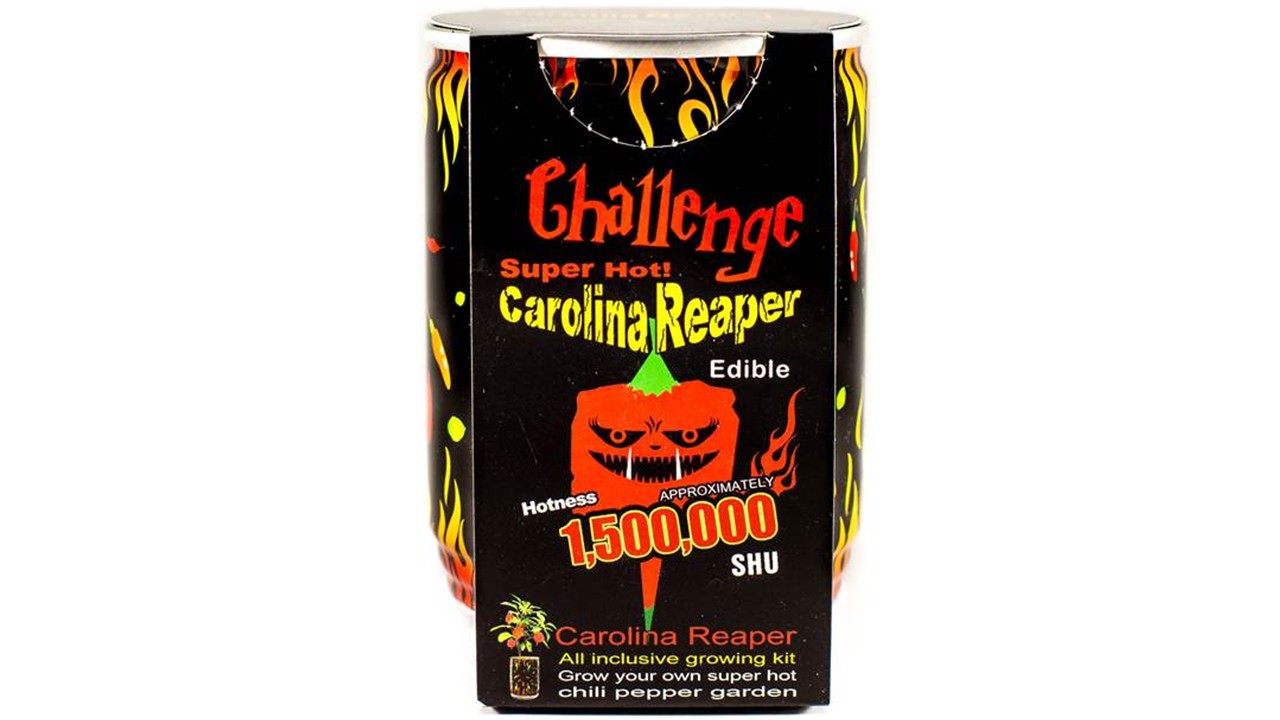
☠️☠️ The Challenge Carolina Reaper Pepper Growing Kit | Extreme Pepper Growing Experience
Soil preparation plays a critical role in pepper success. Peppers demand well-draining, nutrient-rich soil with a balanced pH between 6.0 and 6.8. Incorporating organic matter such as compost or aged manure enhances soil structure and provides essential nutrients. Healthy soil encourages strong root development, which is the backbone of high-yield pepper plants. Gardeners who invest time in soil quality often see dramatic improvements in both plant health and fruit production.
Sunlight is another essential factor that cannot be overlooked. Pepper plants require full sun, ideally receiving at least six to eight hours of direct sunlight each day. Insufficient sunlight leads to weak plants and reduced fruiting. Positioning your plants in the sunniest area of your garden ensures maximum energy for growth and fruit development. Combined with proper spacing to allow airflow, this reduces the risk of disease while promoting robust yields.
Watering techniques can make or break your pepper harvest. Consistent moisture is key, but overwatering can lead to root rot and nutrient deficiencies. The goal is to maintain evenly moist soil without waterlogging. Deep, infrequent watering encourages roots to grow deeper, making plants more resilient during dry periods. Mulching around plants helps retain moisture, regulate soil temperature, and suppress weeds, all of which contribute to healthier plants and higher yields.
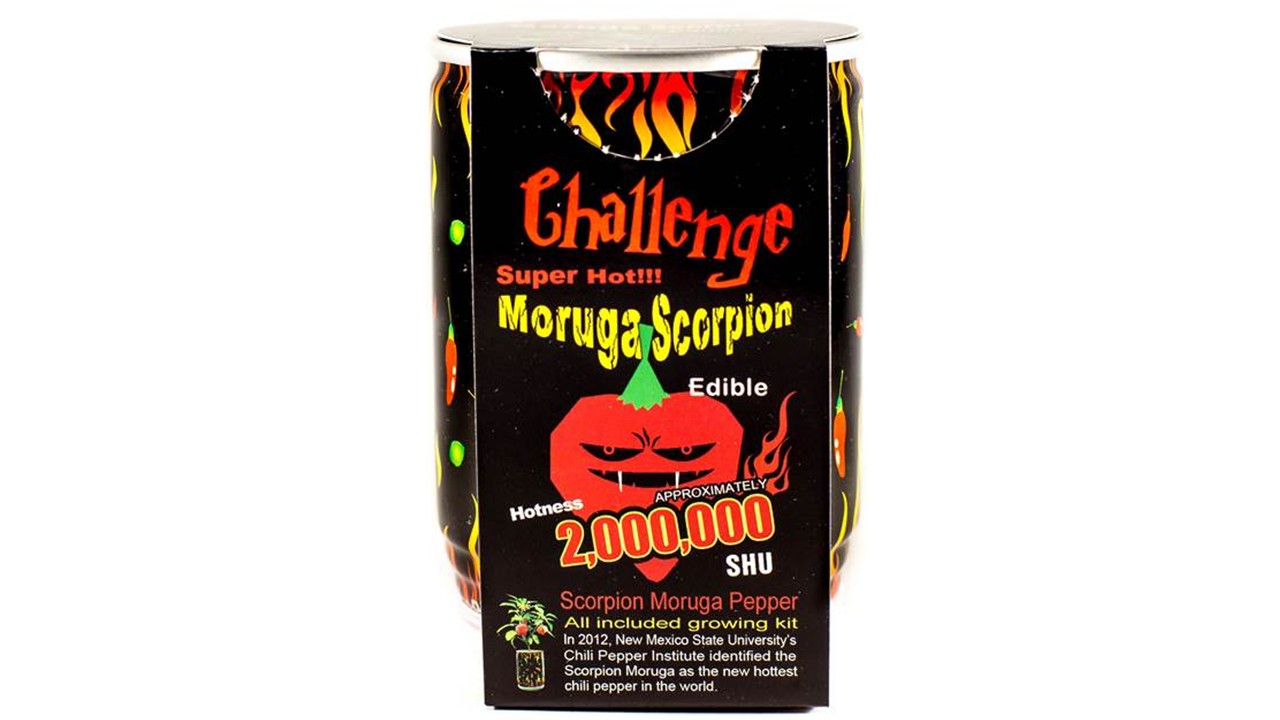
🌶️🌶️🌶️🌶️ The Challenge Scorpion Pepper Growing Kit
Feeding your pepper plants with the right nutrients at the right time is another crucial step. A balanced fertilizer early in the growing season supports vegetative growth, while switching to a fertilizer higher in phosphorus and potassium encourages flowering and fruit production. Over-fertilizing with nitrogen can result in lush foliage but fewer peppers, so maintaining balance is essential. Gardeners aiming to create their own hot sauce blends often find that proper feeding enhances both the quantity and intensity of pepper flavor.
Pruning and plant management techniques can significantly boost productivity. Removing early flowers allows the plant to focus on establishing strong roots and foliage before fruiting. As the plant matures, selective pruning improves airflow and directs energy toward fruit production. Staking or caging plants prevents branches from breaking under the weight of heavy pepper loads, ensuring that your plants can support a large harvest without damage.
Pest and disease control is another key component of successful pepper gardening. Common pests such as aphids, spider mites, and caterpillars can quickly damage plants if left unchecked. Regular inspection and early intervention using natural or organic pest control methods help maintain plant health. Healthy plants are more resistant to disease and more capable of producing abundant harvests.
Temperature management is often overlooked but plays a significant role in pepper production. Peppers thrive in warm conditions, with optimal temperatures between 70 and 85 degrees Fahrenheit. Extreme heat or cold can stress plants and reduce yields. Using row covers, shade cloth, or strategic planting times can help maintain ideal growing conditions and extend the productive season.
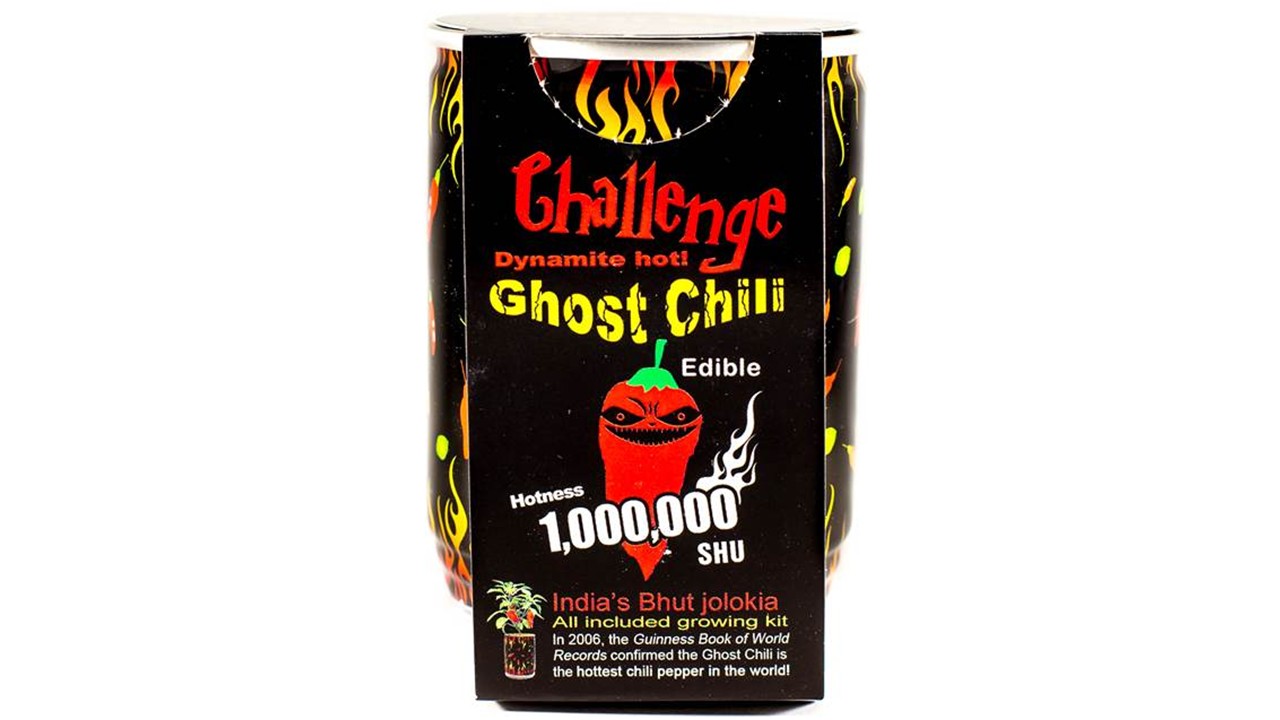
🌶️🌶️🌶️🌶️ The Challenge Ghost Chili Pepper Growing Kit
Harvesting peppers at the right time encourages continued production. Regular picking signals the plant to produce more fruit, leading to a larger overall yield. Peppers can be harvested at various stages depending on flavor preference, from green and mild to fully ripened and intensely flavorful. This flexibility allows gardeners to experiment with different flavor profiles, especially when crafting homemade hot sauce inspired by bold tropical blends like those associated with Peppers of Key West.
One of the most exciting aspects of growing peppers is the opportunity to turn your harvest into something truly special. Fresh peppers can be used immediately in cooking or preserved through drying, freezing, or fermenting. Fermentation, in particular, is a popular method for creating complex, flavorful hot sauce. By combining your homegrown peppers with vinegar, garlic, and spices, you can produce unique sauces that rival commercial offerings while reflecting your personal taste preferences.
Consistency and observation are the final keys to success. Every garden is different and paying attention to how your plants respond to watering, feeding, and environmental conditions allows you to make adjustments that improve results. Over time, you will develop a deeper understanding of what your peppers need to thrive, leading to increasingly impressive harvests each season.
By applying these proven gardening techniques, you can transform your pepper plants into highly productive powerhouses. The reward is not only a plentiful harvest but also the satisfaction of creating fresh, flavorful ingredients for your kitchen. Whether you are enjoying peppers straight from the garden or turning them into bold hot sauce creations, the effort you invest in your plants will pay off in every bite. With dedication, the right strategies, and a passion for flavor, this can be the year you achieve your biggest pepper harvest yet.
Frequently Asked Questions:
What are the best peppers to grow for a large harvest?
High-yield varieties such as jalapeños, cayenne, serrano, and habanero peppers are excellent choices for abundant production and hot sauce use.
How often should I water pepper plants?
Water deeply and consistently, allowing the soil to remain evenly moist but not waterlogged. Adjust frequency based on weather conditions.
Why are my pepper plants flowering but not producing fruit?
This can be caused by temperature stress, over-fertilization with nitrogen, or lack of pollination. Maintaining balanced nutrients and proper temperatures helps improve fruit set.
When should I harvest peppers?
Peppers can be harvested when green or fully ripened. Frequent harvesting encourages more fruit production.
Can I use homegrown peppers to make hot sauce?
Yes, homegrown peppers are perfect for making hot sauce, allowing you to control flavor, heat level, and ingredients.
How do I increase pepper yield naturally?
Focus on healthy soil, proper watering, balanced fertilization, full sunlight, and regular harvesting to maximize production.
