
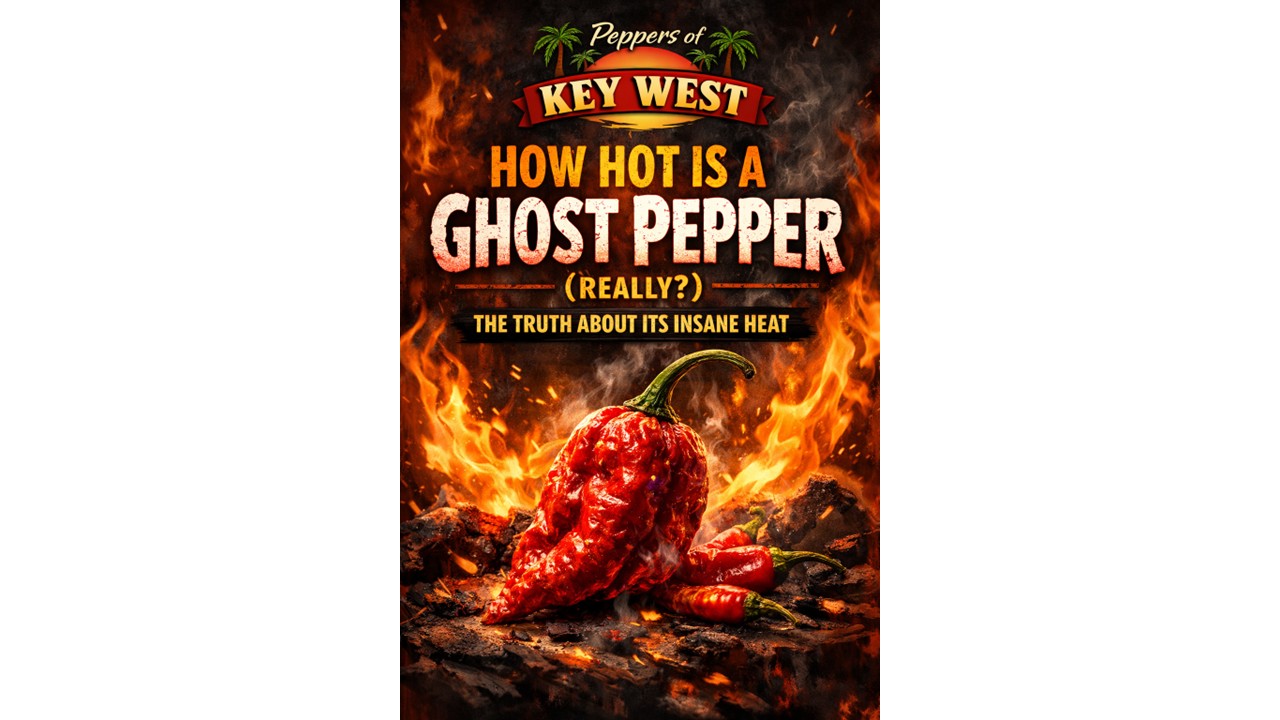
🔥 How Hot Is a Ghost Pepper (Really?) The Truth About Its Insane Heat
Think you can handle the heat? The Ghost Pepper has other plans—this fiery legend doesn’t just burn your mouth; it rewrites your life choices. Proceed bravely… or foolishly.
There’s hot, there’s really hot, and then there’s the kind of heat that makes you question your existence, your decisions, and possibly your ability to feel your face ever again. That last category belongs to the infamous Ghost Pepper, a pepper so intense it has earned a reputation that borders on myth. People don’t just eat ghost peppers—they survive them, endure them, and tell stories about them later like they’ve returned from battle.
To understand just how hot a ghost pepper really is, you have to start with the Scoville scale, the measurement system used to rank the heat of chili peppers. While a mild pepper like a Jalapeño clocks in at a friendly 2,500 to 8,000 Scoville Heat Units, the ghost pepper blasts past that with over 1,000,000 units. That’s not just a step up; that’s a rocket launch into a completely different universe of heat. This isn’t a pepper you casually slice onto nachos unless you’re trying to turn snack time into a dramatic life event.
What makes the ghost pepper so brutally hot is its high concentration of capsaicin, the chemical compound responsible for that burning sensation. Capsaicin doesn’t actually burn you in the traditional sense; instead, it tricks your brain into thinking your mouth is on fire. Your body reacts accordingly, releasing endorphins, triggering sweating, and sometimes even causing hiccups or tears. It’s a full-body experience, and not always a pleasant one.
But here’s where things get interesting. Despite its overwhelming heat, the ghost pepper has a surprisingly complex flavor profile. Beneath the firestorm lies a subtle fruitiness, a slightly smoky undertone that makes it more than just a novelty. This is why it has become a favorite ingredient in extreme hot sauces, especially for brands that pride themselves on bold flavor as much as raw heat. When used properly, ghost pepper can elevate a hot sauce from simply spicy to something unforgettable.
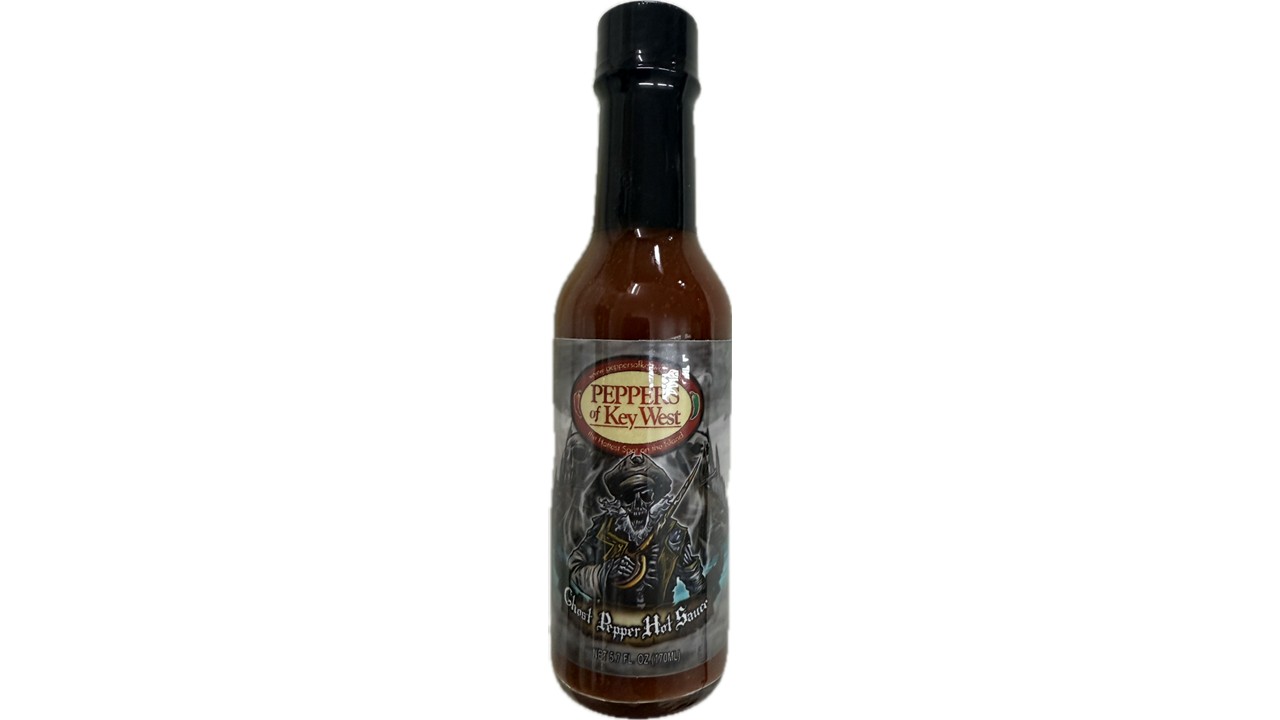
That’s where small-batch craftsmanship comes into play. At Peppers of Key West, the goal isn’t just to melt your face—it’s to create a balance between flavor and fire. A well-made ghost pepper hot sauce doesn’t just attack your taste buds; it builds layers, starting with tangy sweetness, followed by a rising wave of heat that lingers long enough to remind you who’s in charge. It’s the difference between chaos and controlled combustion.
Still, it’s important to respect the ghost pepper. This is not an ingredient you casually experiment with unless you know what you’re doing. Even a small amount can dramatically increase the heat level of a dish. For beginners, it’s often best to start with a diluted form, such as a ghost pepper-infused hot sauce, rather than the raw pepper itself. This allows you to experience the flavor and heat without going straight into survival mode.
The cultural significance of the ghost pepper also adds to its mystique. Originally grown in regions of India, particularly Assam, it was once recognized as the hottest pepper in the world. Although it has since been surpassed by peppers like the Carolina Reaper, the ghost pepper remains iconic. It was the first pepper to truly break into mainstream awareness as something dangerously hot, setting the stage for the modern obsession with extreme heat.
Eating a ghost pepper is often described as a journey rather than a moment. The initial bite might not seem catastrophic, but within seconds, the heat begins to build. It spreads across your tongue, your throat, and eventually your entire body feels the impact. Time seems to slow down as your brain tries to process what’s happening. Drinking water won’t help, and you quickly learn that dairy is your best friend in this situation. It’s not just spicy; it’s an experience that demands your full attention.
For hot sauce lovers, this is exactly the appeal. There’s a thrill in pushing your limits, in testing how much heat you can handle. It’s not just about pain; it’s about the adrenaline rush, the sense of accomplishment, and the bragging rights that come with surviving something intense. A ghost pepper hot sauce from Peppers of Key West taps into that thrill while still delivering a product you’ll actually want to use again.
Of course, not everyone is built for this level of heat, and that’s perfectly fine. The beauty of the hot sauce world is its range. From mild and tangy to face-meltingly intense, there’s something for everyone. But for those who dare to step into the realm of the ghost pepper, the reward is an unforgettable culinary experience that goes far beyond ordinary spice.
So how hot is a ghost pepper, really? It’s hot enough to command respect, hot enough to challenge even seasoned spice lovers, and hot enough to turn an ordinary meal into something extraordinary. It’s not just a pepper; it’s a legend, a test, and for some, an obsession. And when it’s crafted into a high-quality hot sauce, it becomes something even more powerful—a perfect blend of flavor and fire that keeps you coming back for more, even when you probably shouldn’t.
❓ Frequently Asked Questions
How hot is a ghost pepper compared to a jalapeño?
A ghost pepper can be over 100 times hotter than a jalapeño, making it an extreme jump in heat.
Can you eat a ghost pepper raw?
Yes, but it’s not recommended for beginners. The heat can be overwhelming and even physically uncomfortable.
What does ghost pepper taste like?
It has a slightly fruity and smoky flavor underneath the intense heat.
Is ghost pepper hot sauce safer than the raw pepper?
Yes, hot sauce dilutes the pepper, making it more manageable while still delivering strong heat.
Can ghost pepper be dangerous?
While not typically dangerous in small amounts, eating too much can cause intense discomfort and digestive issues.
+The+Truth+About+Its+Insane+Heat)