
Your Pepper Plants Are Struggling Because Their Neighbors Are Jerks (Here’s How to Fix It)
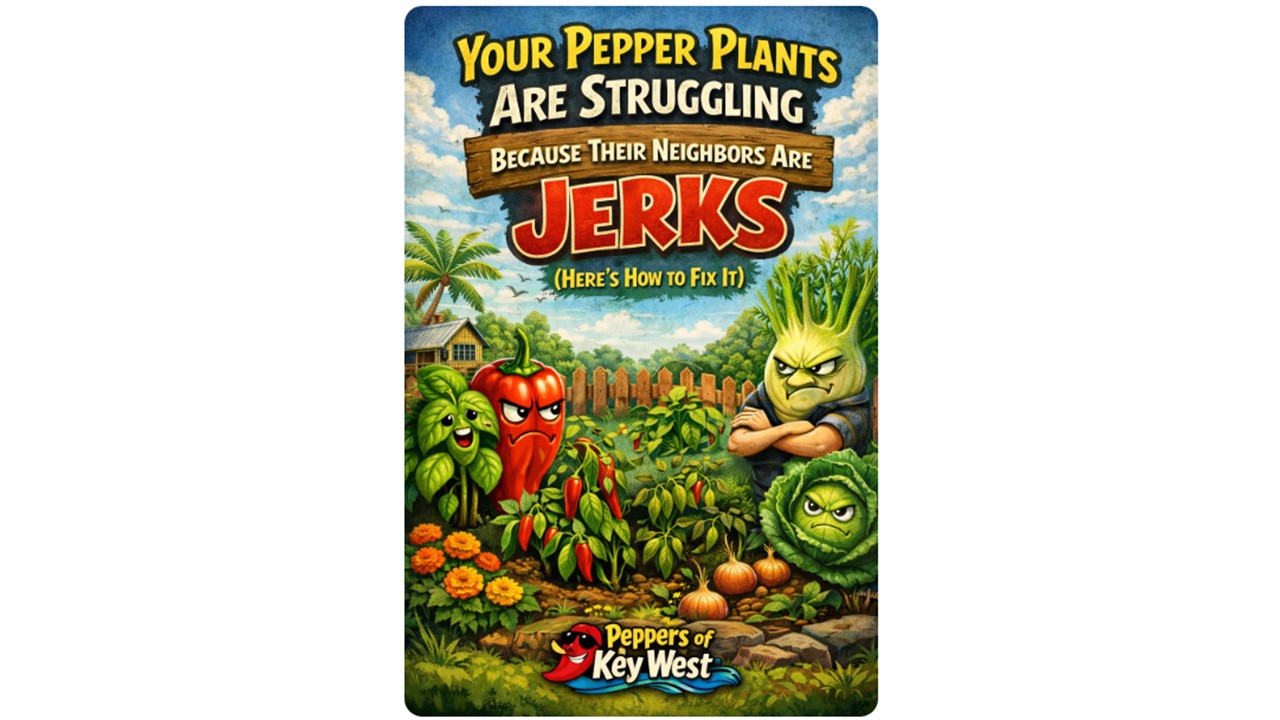
Your pepper plants aren’t failing—they’re just surrounded by the worst neighbors imaginable. From nutrient thieves to garden bullies, the wrong companion plants can quietly destroy your harvest. In this guide, we’ll expose the biggest offenders, show you how to fix the problem fast, and help you grow bold, flavorful peppers worthy of Hot Sauce and Peppers of Key West.
There’s a point in every gardener’s journey where confusion turns into frustration. You’re watering consistently, giving your pepper plants plenty of sunlight, and maybe even talking to them like they’re part of the family. And yet, they still look weak, underwhelming, and borderline offended by your efforts. The leaves droop, the growth stalls, and the peppers themselves seem to be on strike. At this stage, most people assume they’re doing something wrong. But what if the problem isn’t you at all? What if your pepper plants are struggling because of who they’re growing next to?
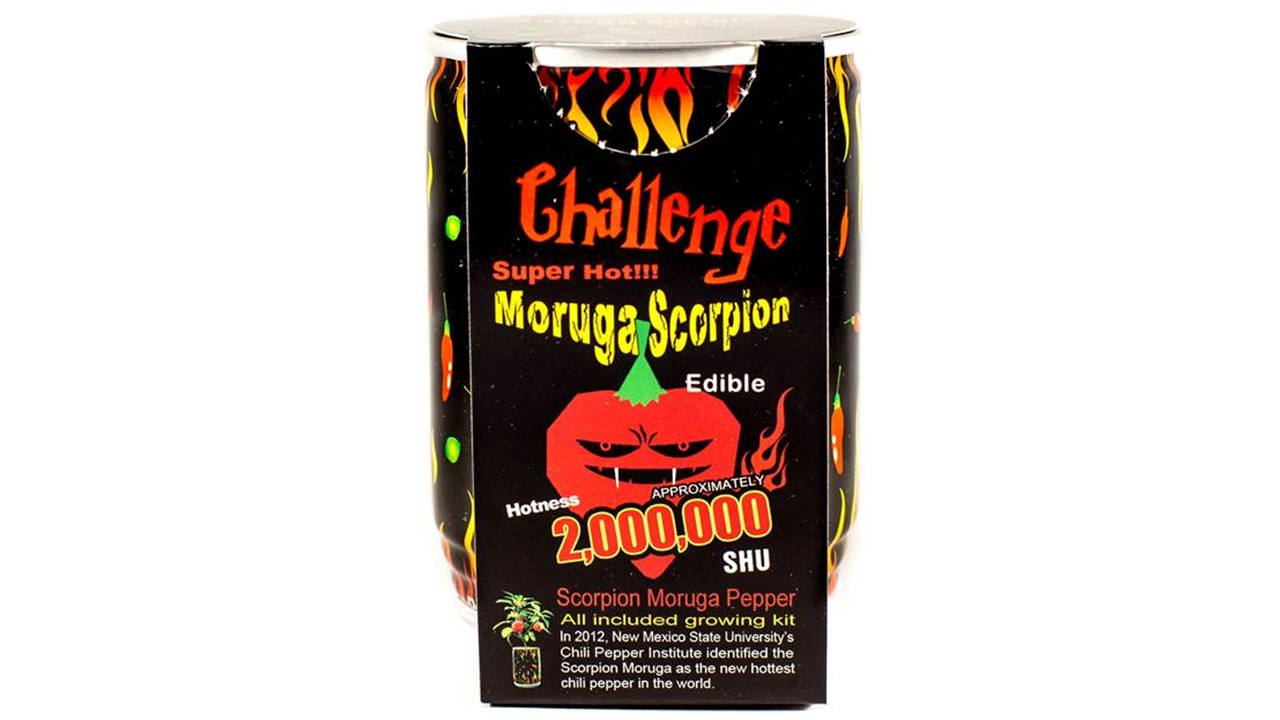
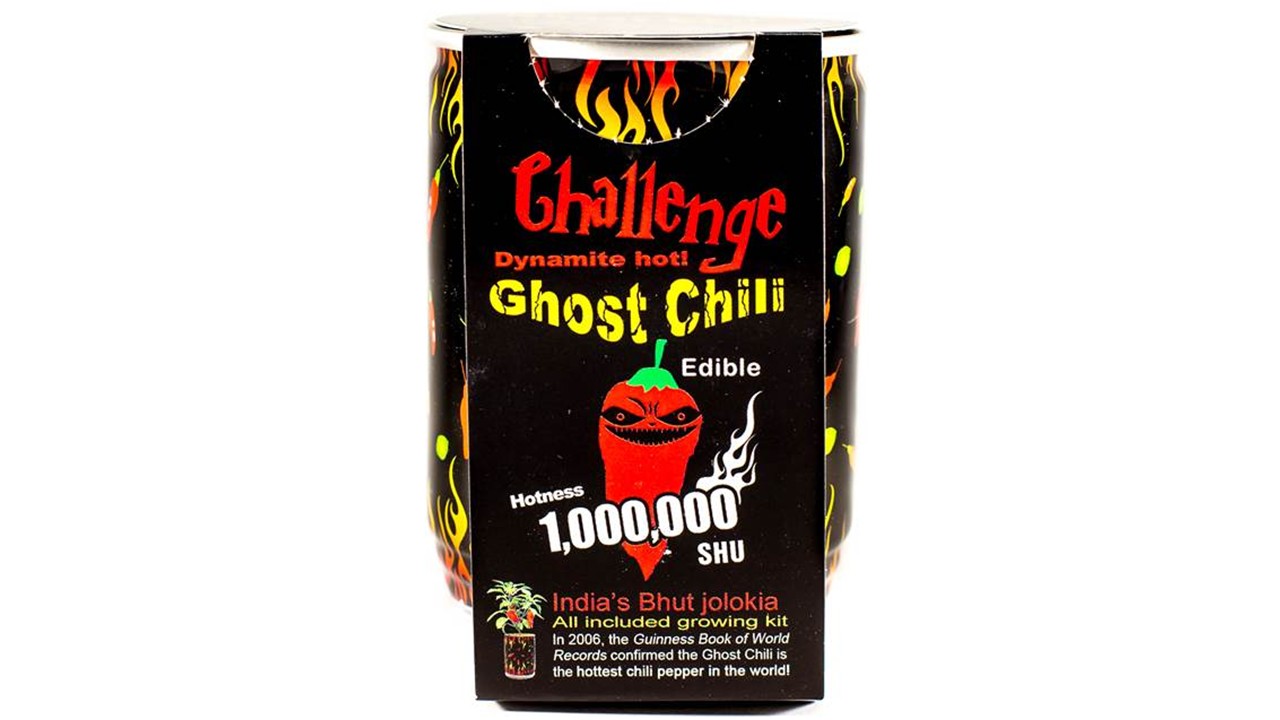
Companion planting is one of the most underestimated factors in gardening success, especially when it comes to hot peppers. These plants are surprisingly sensitive to their environment, and the wrong neighbors can create a constant state of stress. This stress doesn’t just slow growth—it reduces yield, weakens the plant’s immune response, and ultimately affects flavor. If you’re trying to grow peppers that are bold enough to stand up in a recipe like Spicy Pork, Carolina Reaper, and Butternut Squash Ragu and Peppers of Key West, you need more than basic care. You need the right ecosystem.
The issue starts underground, where most gardeners never look. Plants compete for nutrients, and some are far more aggressive than others. Brassicas like cabbage, broccoli, and cauliflower are notorious for pulling large amounts of nutrients from the soil. When planted near peppers, they leave very little behind. Your peppers end up fighting for scraps, and the result is predictable: slow growth, weak stems, and disappointing yields. It’s not a mystery—it’s a resource war, and your peppers are losing.
Then there’s fennel, the antisocial outcast of the garden. Fennel doesn’t just compete—it actively works against nearby plants by releasing compounds that inhibit growth. If your peppers are planted anywhere near fennel, they’re essentially trying to survive in hostile territory. No amount of watering or fertilizing can fully overcome that kind of interference.
Beans, despite their reputation for improving soil nitrogen, can also become problematic. They grow quickly, spread aggressively, and compete for both space and nutrients. While they’re not outright toxic to peppers, they create enough competition to limit growth and reduce productivity. It’s like trying to thrive in a crowded room where someone is constantly taking what you need.
Once you recognize these bad neighbors, the solution becomes clear: remove them or move your peppers. But fixing the problem isn’t just about elimination—it’s about replacement. The right companion plants don’t just coexist with peppers; they actively support them.
Basil is one of the most powerful allies you can introduce. It helps repel pests like aphids and spider mites while creating a more favorable microclimate. Many gardeners also believe that basil enhances the flavor of nearby peppers, which is exactly what you want if your end goal involves bold, complex heat profiles.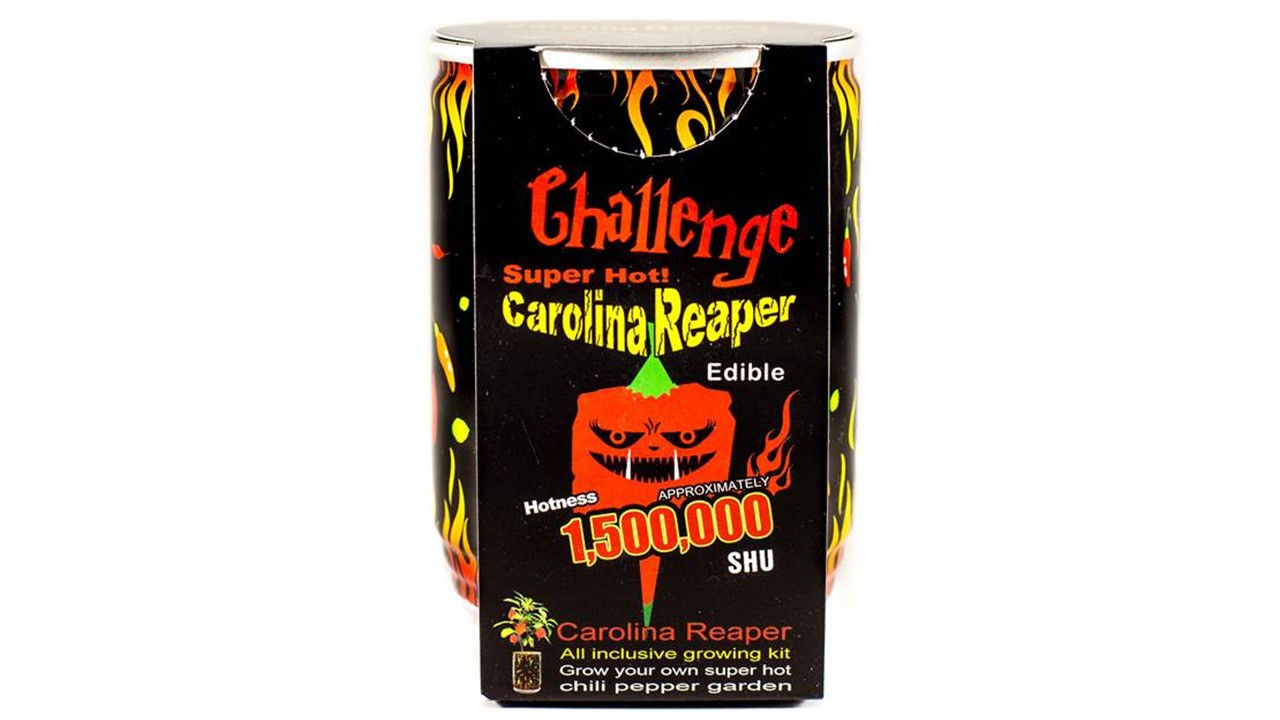
Onions, garlic, and chives act like natural security guards. Their strong scent confuses and repels pests, reducing the likelihood of infestations. When planted around peppers, they create a protective barrier that allows your plants to focus on growth instead of survival.
Marigolds bring another layer of defense. These bright flowers are known for repelling nematodes and other harmful organisms in the soil. They don’t just protect your peppers—they improve the overall health of your garden.
Carrots, meanwhile, work quietly beneath the surface. By loosening the soil, they improve aeration and drainage, creating a better environment for pepper roots to expand and thrive. They don’t compete for sunlight, and they contribute to a healthier growing system overall.
As your garden begins to shift from chaos to balance, you’ll notice immediate changes. Your pepper plants will stand taller, grow faster, and produce more consistently. The leaves will look healthier, the stems stronger, and the fruit more abundant. This isn’t magic—it’s the result of giving your plants the environment they actually need.
If you want to explore more ways to maximize your pepper harvest, you can find additional growing strategies and flavor-focused insights at https://www.peppersofkeywest.com, where the connection between strong plants and bold flavor is taken seriously.
Because ultimately, that’s the goal. You’re not just growing peppers for the sake of it. You’re growing them to use, to enjoy, and to turn into something memorable. Whether you’re experimenting in your kitchen or reaching for expertly crafted options like Hot Sauce and Peppers of Key West, the quality of your peppers determines everything.
Healthy plants produce peppers with better texture, richer flavor, and more balanced heat. These are the peppers that elevate dishes, that stand out, and that make people take notice. And all of that starts with something as simple as choosing the right neighbors.
Another advantage of proper companion planting is natural pest control. Instead of relying on chemical sprays, you create an environment where pests are less likely to thrive. Beneficial insects are attracted, harmful ones are repelled, and your garden becomes a self-regulating system.
 Water retention and soil stability also improve. Certain companion plants act like living mulch, helping to maintain consistent moisture levels and protect against temperature fluctuations. This reduces stress on your peppers and allows them to focus on producing fruit rather than surviving environmental swings.
Spacing plays a role as well. Even good neighbors can become a problem if they’re too close. Proper spacing ensures that each plant has access to sunlight, air circulation, and nutrients. It’s not just about what you plant—it’s about how you plant it.
As you refine your approach, gardening becomes less about guesswork and more about strategy. You start to see patterns, understand relationships, and make decisions that consistently lead to better results. And once you experience that shift, it changes everything.
When harvest season arrives, the difference is undeniable. Your plants are fuller, your yields are higher, and your peppers are exactly what they should be. Whether you’re cooking, preserving, or exploring the bold offerings at https://www.peppersofkeywest.com, you’ll appreciate the impact of doing things the right way.
At the end of the day, your pepper plants weren’t failing because you didn’t care enough or try hard enough. They were struggling because they were surrounded by the wrong influences. Fix the neighborhood, and you fix the outcome.
❓ Frequently Asked Questions
- Why are my pepper plants struggling even with proper care?
Poor companion planting is often the hidden cause, as nearby plants can compete for nutrients or inhibit growth. - What plants are bad neighbors for peppers?
Fennel, beans, and heavy feeders like cabbage and broccoli can negatively impact pepper growth. - What are the best companion plants for peppers?
Basil, onions, garlic, marigolds, and carrots support growth, improve soil, and help control pests. - How quickly can I fix struggling pepper plants?
Removing bad neighbors and improving plant pairings can show noticeable improvements within weeks. - Do companion plants really affect pepper flavor?
Yes, healthier plants produce better peppers, which directly impacts flavor quality. - Can I grow peppers specifically for hot sauce?
Absolutely. With proper care and companion planting, you can grow peppers ideal for bold sauces like those from Hot Sauce and Peppers of Key West.
)