
Why Would You Use Old or Overripe Hot Peppers? Flavor, Heat, and Creative Cooking Benefits
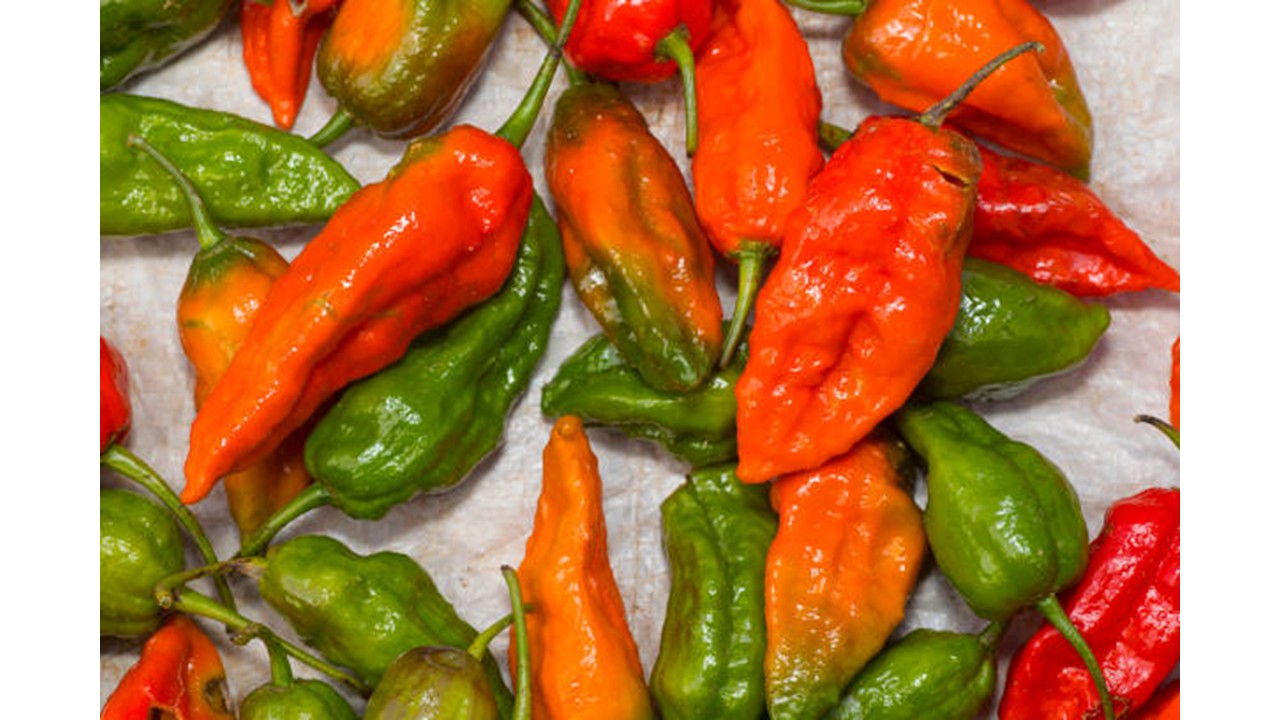
At first glance, old or overripe hot peppers might seem past their prime, but in reality, they can be some of the most flavorful peppers in your kitchen. While fresh, firm hot peppers are ideal for crisp dishes and raw applications, slightly aged or fully ripened hot peppers offer unique advantages in cooking, sauce-making, and preservation. Understanding why you might use older or overripe hot peppers helps reduce food waste and unlock deeper flavor profiles that fresh peppers simply can’t provide.
As hot peppers age on the plant or after harvest, their natural sugars continue to develop. This process enhances sweetness and complexity, creating richer, more rounded flavors. Overripe peppers often taste less grassy and fruitier or savory, making them especially valuable for hot sauces, chili pastes, and slow-cooked recipes. The extra sweetness helps balance heat, producing sauces and blends that feel smoother and more cohesive rather than sharp or aggressive.
Heat can also change as peppers mature. Capsaicin—the compound responsible for spiciness—continues developing as peppers ripen, meaning overripe peppers may deliver stronger or more lingering heat. At the same time, their softer texture allows heat to disperse more evenly when blended or cooked. This combination makes older peppers ideal for sauces, marinades, and fermented recipes where consistent spice matters.
Texture is another key reason to use older hot peppers. As peppers soften, they become easier to mash, puree, or cook down into smooth sauces. While this softness makes them less appealing for fresh salsas or salads, it’s perfect for roasting, drying, fermenting, or simmering. Overripe peppers break down quickly, saving prep time and creating velvety textures in soups, stews, and hot sauce bases.
Overripe peppers also shine in preservation methods. They’re excellent candidates for drying because their intensified flavor becomes even more concentrated once moisture is removed. Fermentation benefits as well, since the increased sugars feed beneficial bacteria, producing deeper, tangier flavor profiles. Many traditional hot sauces rely specifically on fully ripe or slightly aged peppers for this reason.
From a sustainability standpoint, using older peppers helps reduce food waste. Peppers that are wrinkled or slightly soft may no longer look perfect, but they’re often at peak flavor for cooking applications. As long as there’s no mold or rot, these peppers are completely safe to use and frequently outperform fresh ones in cooked recipes.
That said, not every “old” pepper should be used. Peppers with visible mold, slimy texture, or strong off odors should always be discarded. However, peppers that are simply softer, darker in color, or deeply wrinkled are usually ideal for roasting, blending, drying, or fermenting.
Choosing overripe hot peppers is about matching the ingredient to the purpose. Fresh peppers bring brightness and crunch, while older peppers deliver sweetness, depth, and body. If you’re making hot sauce, chili, pepper paste, or spice blends, slightly aged peppers often produce superior results. Their developed sugars and mellowed sharpness create balanced flavors that feel intentional rather than overpowering.
So why would you use old or overripe hot peppers? Because they offer richer flavor, smoother heat, easier processing, and excellent preservation potential. When used correctly, these peppers transform from overlooked leftovers into powerful culinary tools. Learning to work with peppers at every stage of ripeness gives you more control in the kitchen, better sauces, and less waste—turning simple ingredients into bold, flavorful creations.
