
Where Are the Pain Receptors in Your Brain That Sense Capsaicin?
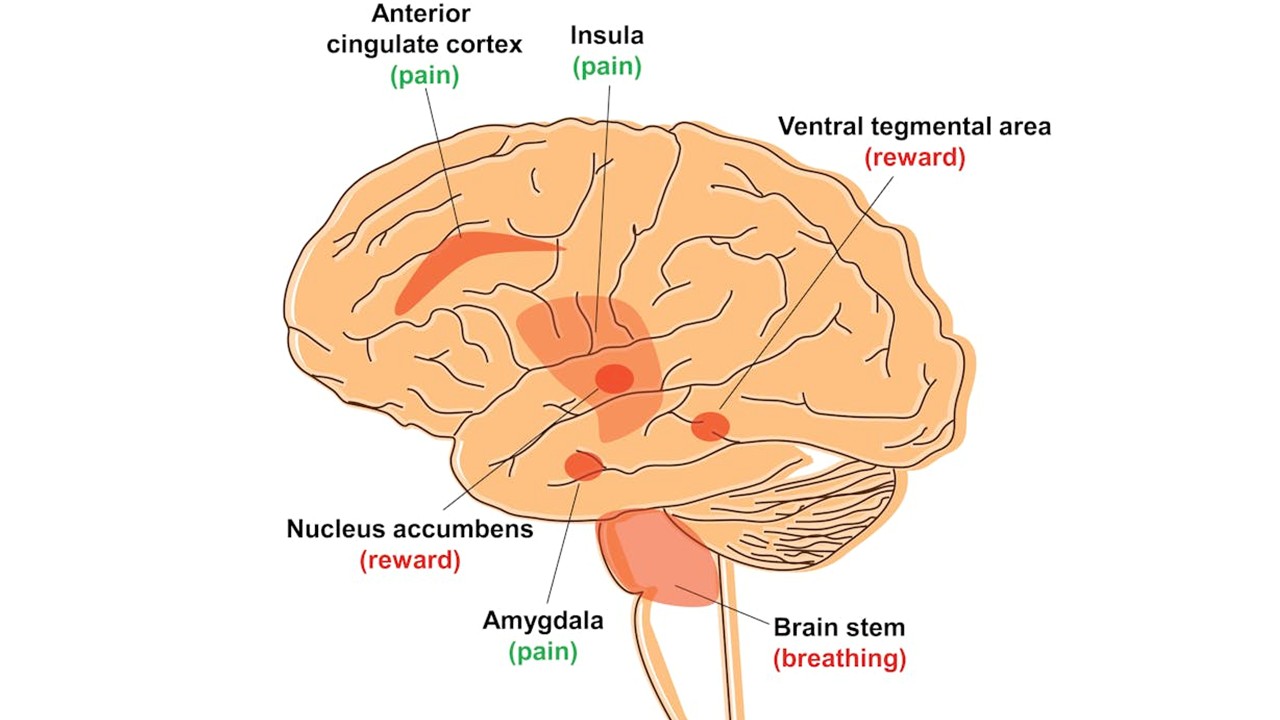
Here’s a surprise for spicy-food lovers: your brain doesn’t actually have pain receptors that detect capsaicin.
Capsaicin—the natural compound that makes hot peppers feel fiery—activates pain and heat receptors located in your mouth, lips, tongue, throat, and skin. These receptors send signals through your nervous system to your brain, which then interprets those signals as burning or heat. In other words, the sensation of spice begins in your body, not in your brain.
Once those signals arrive, your brain processes them in areas responsible for touch, temperature, and pain perception. This is why spicy food feels intense even though there’s no real temperature change happening. Your brain is essentially being “tricked” into thinking you’re experiencing heat.
This process explains why hot peppers can feel dramatically different from person to person. Some people perceive mild warmth, while others experience powerful burning from the same pepper. Tolerance, exposure, and genetics all influence how strongly your brain interprets those incoming pain signals.
Capsaicin also triggers your body to release endorphins and adrenaline. That’s why spicy foods can produce a rush or “pepper high,” followed by a feeling of satisfaction. For many chili lovers, this chemical response is part of the appeal—it turns heat into excitement.
From a culinary perspective, this interaction between capsaicin and your nervous system is what gives hot sauce its magic. A well-crafted sauce balances that刺激 sensation with flavor, acidity, sweetness, and aroma. Instead of overwhelming your senses, great hot sauce uses capsaicin to amplify taste and create depth.
Understanding how capsaicin works helps explain why spicy foods are so addictive and why even small amounts can transform a dish. Whether you enjoy gentle warmth or bold fire, the experience always starts with receptors in your mouth and ends with your brain interpreting those signals as heat.
If you love spicy cuisine, hot sauces, or chili peppers, this invisible conversation between your nerves and your brain is what makes every fiery bite unforgettable.
