
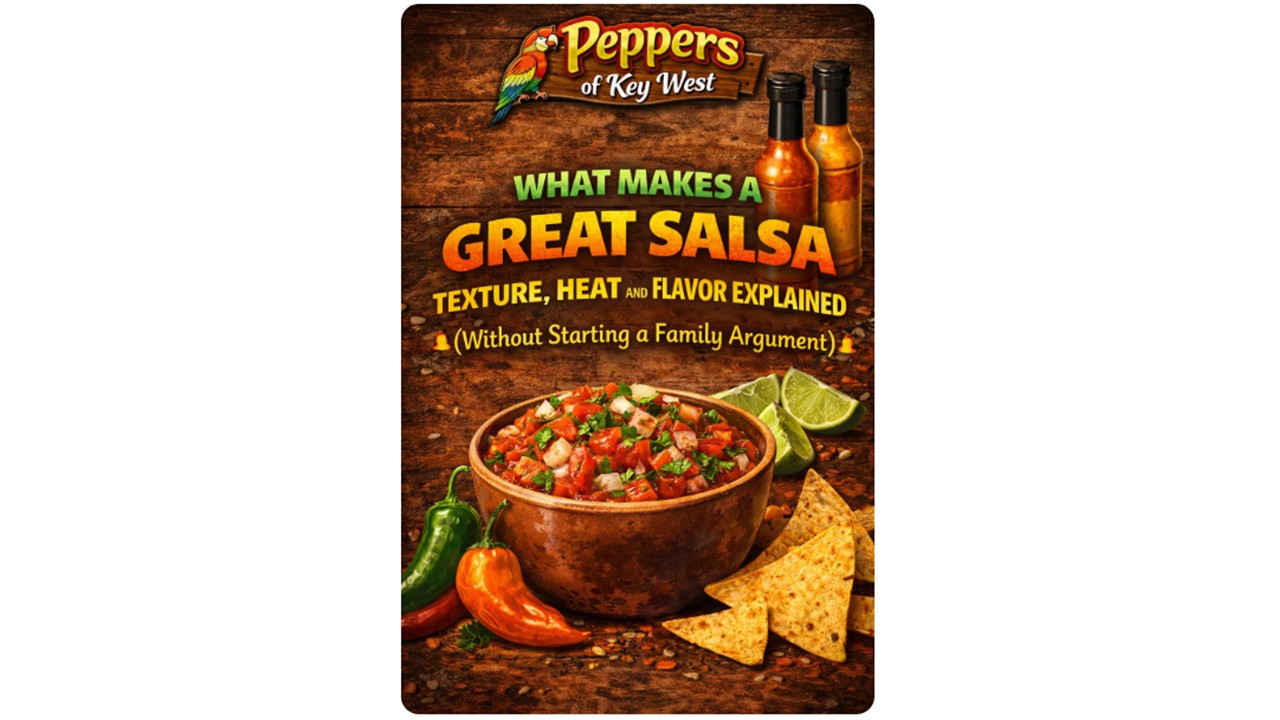
What Makes a Great Salsa (Texture, Heat, and Flavor Explained Without Starting a Family Argument)
Everyone has opinions about salsa—chunky vs smooth, mild vs hot, fresh vs cooked. The truth is that great salsa isn’t about winning the debate. It’s about balance, flavor, and knowing exactly what you’re doing with every ingredient.
Great salsa isn’t an accident. It’s not something that just happens because you threw tomatoes, onions, and peppers into a bowl and hoped for the best. There’s a reason some salsa disappears in minutes while others sit untouched on the table. The difference comes down to three things: texture, heat, and flavor. When those three elements are balanced, everything works. When they’re not, even the best ingredients can fall flat.
Texture is the first thing people notice, even if they don’t realize it. A salsa that’s too watery feels weak. A salsa that’s too thick can feel heavy and overwhelming. The goal is balance. You want something that coats a chip without sliding off, something that has structure but still feels fresh. This is why pico de gallo and traditional salsa feel so different. If you haven’t explored it yet, understanding the difference between pico de gallo and salsa gives you a foundation for how texture shapes the entire experience.
Flavor is where salsa either succeeds or fails. Tomatoes should be bright and slightly sweet. Onions should add sharpness without bitterness. Lime should bring acidity that ties everything together. When these elements are in balance, salsa feels alive. When they’re not, it feels flat or overly aggressive.
Heat is the most misunderstood part of salsa. Most people think more heat equals better salsa, but that’s not how it works. Heat should support flavor, not dominate it. A well-balanced salsa builds gradually. The first bite introduces flavor, the second adds warmth, and the third makes you reach for another chip.
This is where a high-quality hot sauce becomes essential. Instead of relying entirely on raw peppers, adding hot sauce allows you to control heat more precisely while introducing additional layers of flavor. Acidity, sweetness, and depth all come into play, creating a more complete experience.
If you’re trying to elevate your salsa, choosing the best hot sauce for salsa is one of the most important decisions you can make. The right sauce enhances what’s already there. The wrong one overwhelms it.
Freshness plays a massive role in flavor. Fresh ingredients bring clarity. They make each component stand out while still working together. If you’ve ever had salsa that tasted dull or muted, chances are the ingredients weren’t fresh. Understanding why fresh ingredients matter in salsa and hot sauce can completely change how you approach your recipes.
Peppers are another key factor. Different peppers bring different flavors, not just different levels of heat. Jalapeños are mild and grassy. Serranos are sharper and more intense. Habaneros introduce fruitiness along with significant heat. Learning about peppers used in hot sauce helps you choose combinations that create balance instead of chaos.
One of the biggest mistakes people make is overcomplicating things. They add too many ingredients, too much heat, or too much liquid. Great salsa doesn’t need to be complicated—it needs to be intentional. Every ingredient should have a purpose.
Another common mistake is not tasting as you go. Salsa isn’t something you set and forget. It evolves as you mix it, as the salt pulls moisture from the tomatoes, and as the flavors begin to blend. Adjusting along the way is what turns something good into something great.
If you want to push your salsa further, layering heat is one of the most effective techniques. Instead of relying on one source, combine fresh peppers with a small amount of hot sauce. This creates a more dynamic flavor profile that feels balanced and intentional.
This is exactly where a Peppers of Key West hot sauce stands out. It delivers heat, but it also brings complexity—tropical notes, citrus brightness, and depth that enhance salsa instead of overpowering it.
Texture, heat, and flavor don’t exist in isolation. They interact with each other. A chunky salsa delivers heat differently than a smooth one. A fresh salsa highlights brightness, while a cooked salsa emphasizes depth. Understanding these interactions is what separates average salsa from something memorable.
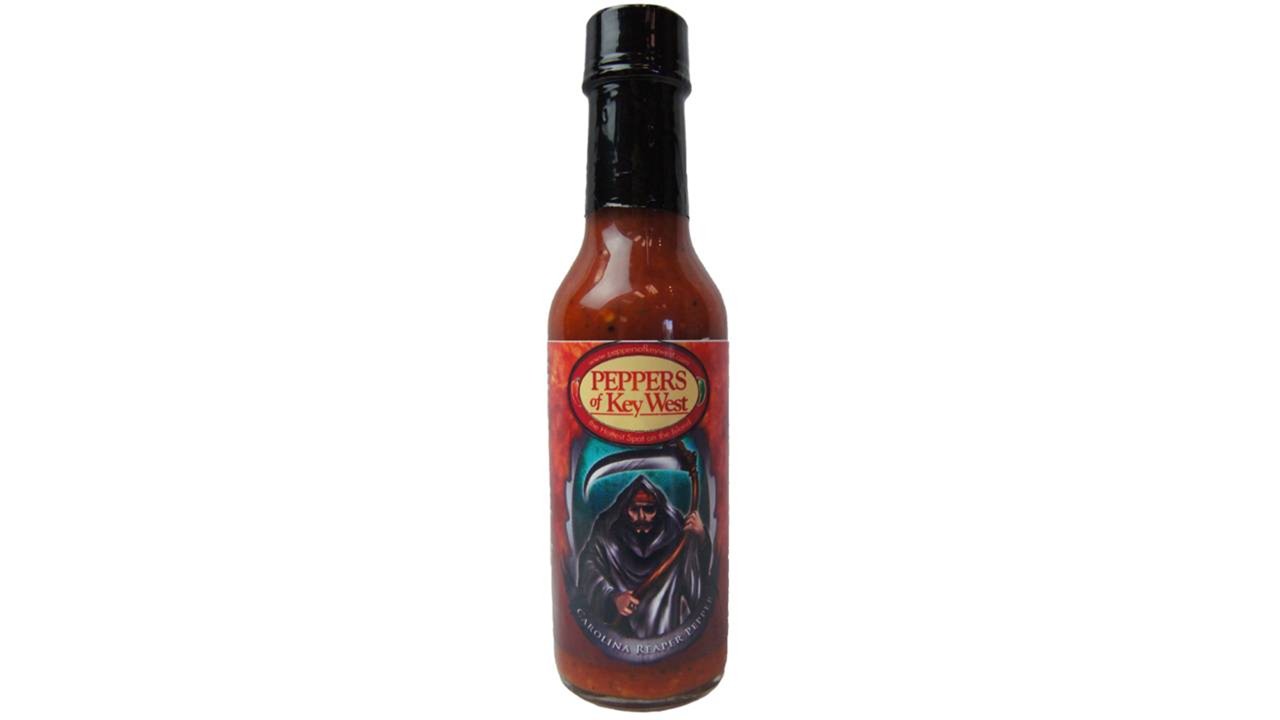
Want to taste the difference? Try our Peppers of Key West Carolina Reaper Hot Sauce and see how it transforms your salsa into something balanced, bold, and worth coming back to.
At the end of the day, great salsa isn’t about following a strict recipe. It’s about understanding how ingredients work together. Once you get that, everything changes. You stop guessing and start creating.
And if you’re ready to take your salsa from average to unforgettable, Peppers of Key West is where to start.
❓ Frequently Asked Questions
What makes a great salsa?
A great salsa balances texture, heat, and flavor so no single element overwhelms the others.
Should salsa be chunky or smooth?
It depends on preference, but balance and consistency matter more than style.
How spicy should salsa be?
Heat should enhance flavor, not dominate it.
Can hot sauce improve salsa?
Yes, hot sauce adds depth, balance, and controlled heat.
What makes Peppers of Key West hot sauce ideal for salsa?
It delivers layered flavor and balanced heat that enhances overall taste.
)