
What Is the Membrane of a Hot Pepper? Understanding Where the Heat Really Comes From
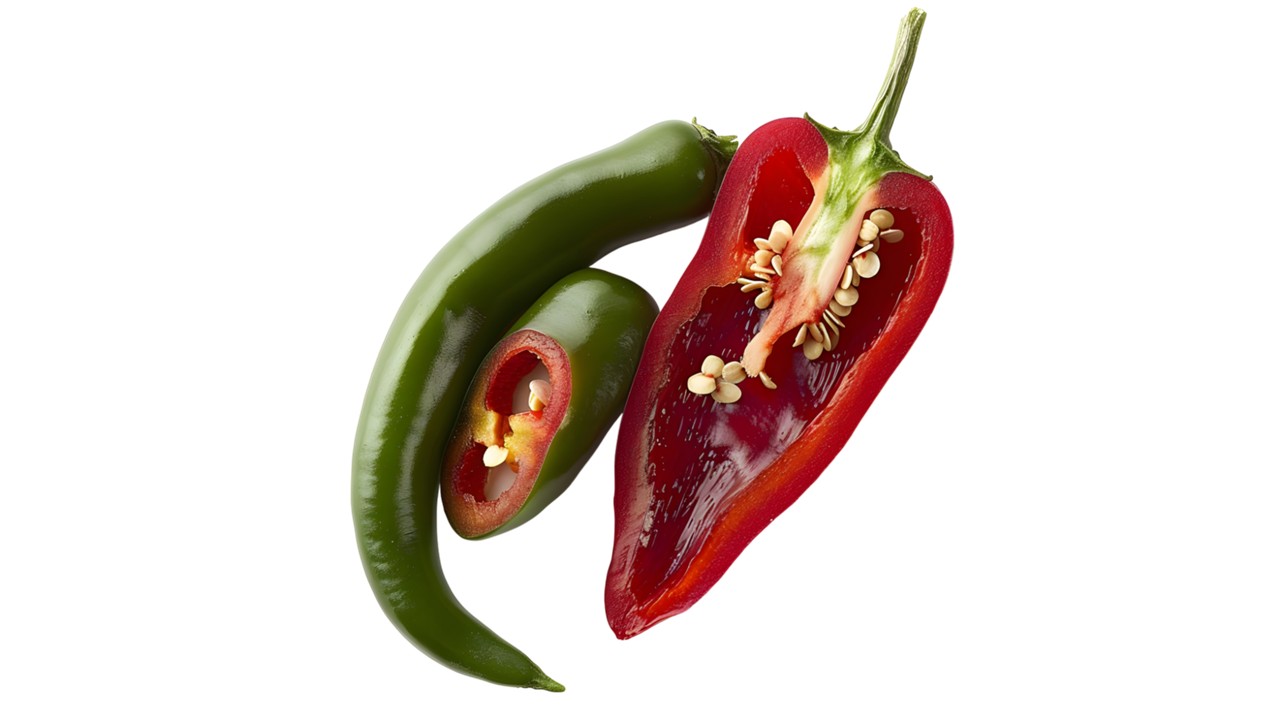
If you’ve ever bitten into a hot pepper and felt an intense burst of heat, you’ve experienced the power of the pepper’s membrane. While many people believe the seeds are responsible for spiciness, the real source of heat lies in a thin, pale structure inside the pepper called the membrane, also known as the placenta. Understanding what the membrane is and how it works can help you control spice levels, cook more confidently, and get better results when preparing hot peppers for sauces, salsas, and recipes.
The membrane of a hot pepper is the white or light-colored tissue that runs along the inside walls of the hot pepper and holds the seeds in place. This membrane produces capsaicin, the natural chemical compound that creates the burning sensation we associate with spicy food. Capsaicin is concentrated heavily in this area, which is why hot peppers feel much hotter when the membrane is left intact. The seeds themselves don’t generate heat; instead, they absorb capsaicin from the membrane, making them taste spicy even though they aren’t the original source.
Not all hot peppers have the same amount of membrane, which is one reason heat levels vary so dramatically from pepper to pepper. Some varieties develop thicker membranes packed with capsaicin, while milder peppers contain thinner membranes with far less heat. Growing conditions also play a role. Stress from heat, drought, or poor soil can cause peppers to produce more capsaicin, making the membrane hotter than usual. This explains why peppers from the same plant can sometimes differ in spice intensity.
Knowing how the membrane works gives you greater control in the kitchen. If you want to reduce heat, removing the membrane along with the seeds can significantly mellow a hot pepper’s spiciness while keeping its flavor. This technique is especially useful when making salsas, relishes, or fresh sauces where you want taste without overwhelming heat. On the other hand, leaving the membrane intact delivers maximum fire, which is ideal for hot sauces, spicy marinades, and bold dishes designed for heat lovers.
The membrane also affects how hot peppers behave during preservation. When drying hot peppers, the membrane concentrates as moisture disappears, intensifying heat in the final product. When freezing hot peppers, the membrane still holds capsaicin, meaning frozen peppers remain just as spicy as fresh ones once cooked. Pickling or fermenting hot peppers can soften the sharp burn slightly, but the membrane continues to influence overall heat levels throughout the process.
Handling hot pepper membranes requires care. Because capsaicin is oil-based, it clings to skin and surfaces easily. When removing membranes, it’s smart to wear gloves and avoid touching your face or eyes. Cutting boards, knives, and countertops should be washed thoroughly after prep to prevent lingering heat from transferring to other foods. If your hands begin to burn, rubbing them with cooking oil or dairy products can help break down the capsaicin more effectively than water alone.
Understanding the membrane of a hot pepper is key to mastering spicy cooking. It explains why hot peppers vary in heat, how to adjust spice levels in recipes, and why proper handling matters. Whether you’re crafting homemade hot sauce, seasoning meals, or preserving hot peppers for later use, knowing where the heat lives gives you the power to fine-tune flavor and fire. Once you learn to work with the membrane instead of against it, hot peppers become far more versatile—and far more enjoyable.
