
What Is the Difference Between Green and Red Hot Peppers?
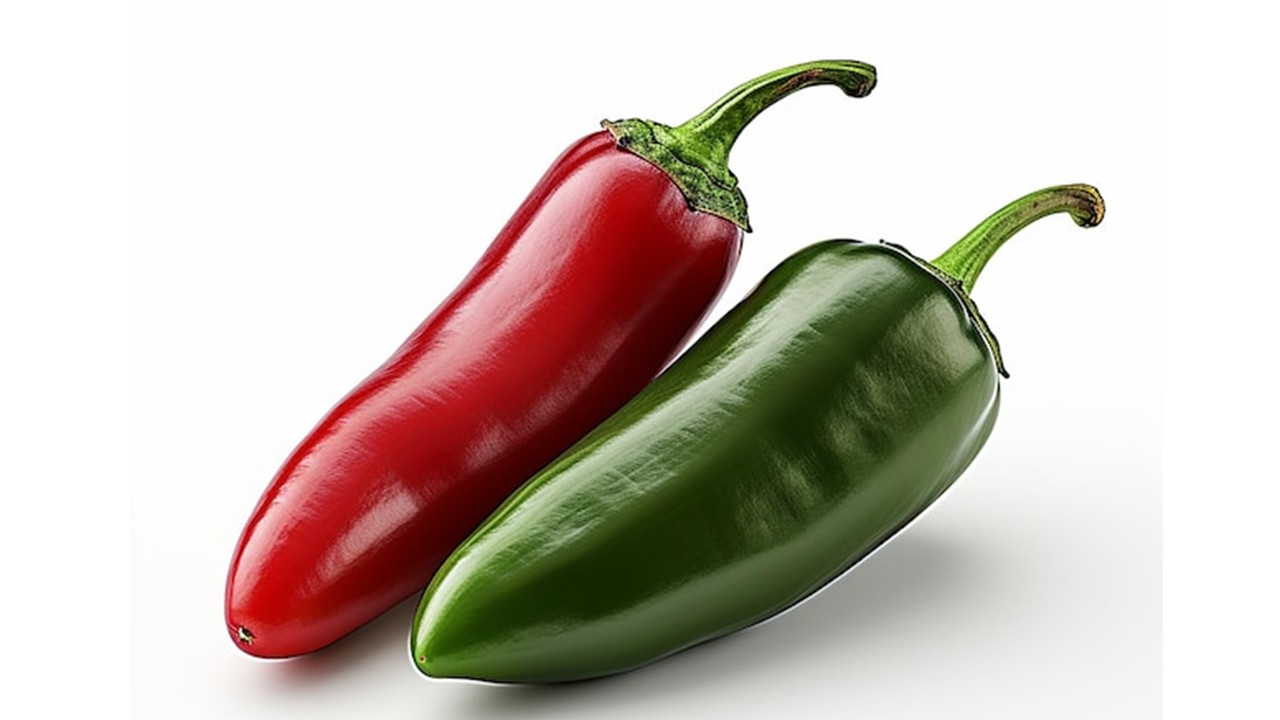
At first glance, green and red hot peppers may look like entirely different varieties, but in many cases they’re actually the same pepper at different stages of ripeness. The color change from green to red happens as the pepper matures on the plant, and that natural ripening process dramatically affects flavor, heat, sweetness, and culinary use. Understanding the difference between green and red hot peppers helps you choose the right pepper for every recipe and control both spice and taste.
The most important distinction is ripeness. Green hot peppers are simply unripe peppers picked earlier in their growth cycle. Red hot peppers are fully mature, having spent more time on the vine developing sugars, pigments, and flavor compounds. As hot peppers ripen, chlorophyll breaks down and carotenoids form, turning the pepper from green to red and signaling a shift in taste and complexity.
Flavor is where the difference becomes most noticeable. Green hot peppers tend to taste brighter, sharper, and more vegetal, with a crisp, grassy quality that works well in fresh dishes like salsas, stir-fries, and relishes. Red hot peppers develop a sweeter, richer flavor profile as natural sugars increase during ripening. This sweetness balances heat and creates deeper, more rounded taste, making red peppers especially popular for sauces, roasting, drying, and long-cooked recipes.
Heat levels can also change between green and red peppers, though this varies by variety and growing conditions. Capsaicin, the compound responsible for spiciness, continues to develop as peppers mature. In many cases, red hot peppers are slightly hotter than their green counterparts because they’ve had more time to produce capsaicin in the inner membrane. However, some people perceive green peppers as sharper or more aggressive because their flavor is less sweet, making the heat feel more immediate.
Texture plays a role as well. Green peppers are usually firmer and crunchier, which makes them ideal for fresh applications where bite and brightness matter. Red peppers are softer and juicier, lending themselves better to roasting, blending, and cooking into sauces. This difference in texture affects how peppers behave in recipes, influencing everything from salsa consistency to sauce thickness.
Nutritionally, red hot peppers generally contain higher levels of vitamins and antioxidants than green peppers. As peppers ripen, vitamin C, beta-carotene, and other beneficial compounds increase. This makes red peppers slightly more nutrient-dense, though both green and red varieties provide valuable health benefits and bold flavor.
The color difference also impacts how peppers are used in preservation. Green hot peppers are often pickled or used fresh, while red peppers are commonly dried, smoked, or fermented. Drying red peppers concentrates their sweetness and heat, creating rich, complex flavors perfect for powders and spice blends. Green peppers, when preserved, retain their brighter, more herbal character.
Choosing between green and red hot peppers ultimately depends on what you’re cooking. Green peppers shine in dishes that need freshness and snap, while red peppers excel in recipes that benefit from sweetness and depth. If you’re making fresh salsa or quick sautés, green peppers offer lively flavor. If you’re crafting hot sauce, chili, or roasted pepper dishes, red peppers provide complexity and balance.
So what’s the real difference between green and red hot peppers? It comes down to maturity, flavor development, heat perception, and texture. Green peppers are younger, sharper, and firmer, while red peppers are fully ripe, sweeter, and richer in taste. Understanding this simple transformation allows you to choose peppers more intentionally, control spice levels, and elevate your cooking.
Once you recognize how color signals flavor, hot peppers become far more versatile. Whether you prefer the crisp bite of green peppers or the bold richness of red, knowing the difference helps you create dishes that are perfectly balanced—every time.
