
What Is Capsaicin? The Natural Compound Behind Every Spicy Bite
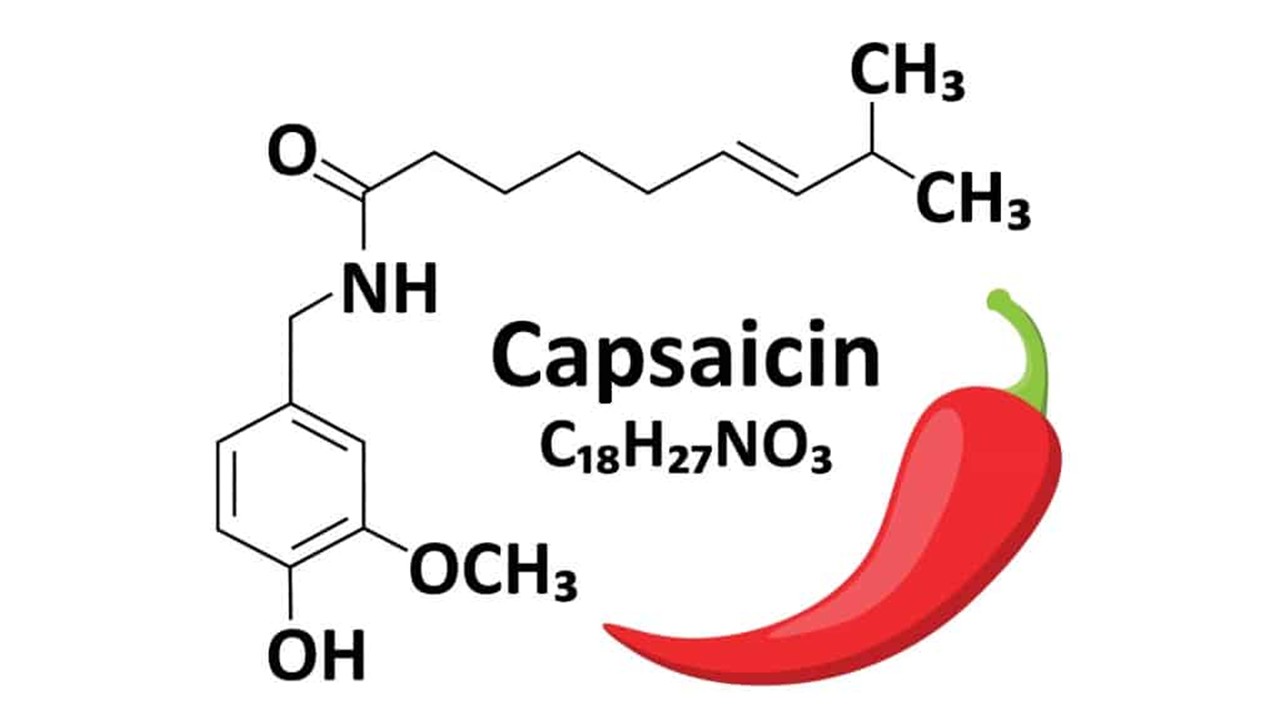
Capsaicin is the naturally occurring compound found in hot peppers that creates the burning sensation we associate with spicy food. It’s concentrated mainly in the inner membrane and seeds of chili peppers, and it’s responsible for everything from mild warmth to intense, eye-watering heat.
When you eat spicy food, capsaicin binds to pain receptors in your mouth and skin, sending signals to your brain that mimic heat or burning—even though no actual temperature change occurs. This is why peppers feel “hot,” and why different varieties produce dramatically different spice levels.
But capsaicin isn’t just about heat—it also plays a major role in flavor. It enhances savory notes, boosts aroma, and helps bring balance to sauces, marinades, and dry rubs. In hot sauces, capsaicin delivers both intensity and complexity, working alongside vinegar, salt, fruit, garlic, and spices to create bold, layered taste profiles.
Beyond the kitchen, capsaicin is widely valued for its natural properties. Many people seek it out for its warming effect, metabolism-boosting potential, and ability to trigger endorphins—those feel-good chemicals your body releases after eating spicy foods. That’s why chili lovers often describe a “pepper high” after a fiery meal.
In cooking, capsaicin gives you control. A small amount can gently elevate a dish, while higher concentrations bring serious fire. Whether you’re crafting hot sauce, seasoning wings, spicing up tacos, or building barbecue flavor, capsaicin allows you to dial in heat exactly where you want it.
If you love bold flavors, spicy condiments, and heat-driven cuisine, capsaicin is the powerful natural ingredient working behind the scenes. It’s what transforms peppers into flavor bombs—and ordinary meals into unforgettable experiences.
