
What Is a Ghost Pepper? Heat Level, Flavor, and How to Use This Legendary Chile
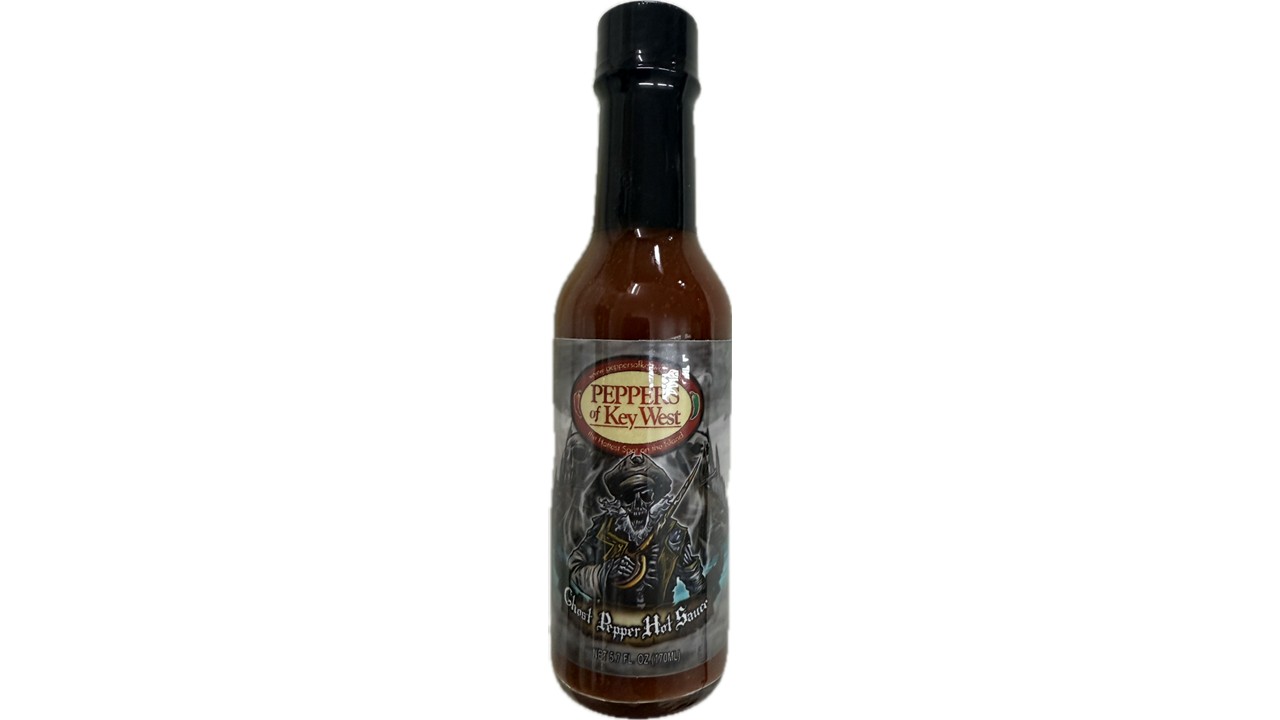
👻🔥 Peppers of Key West Ghost Pepper Hot Sauce 🌶️🏝️
Ghost Pepper: Extreme Heat and Bold Flavor for Adventurous Hot Sauce Lovers
How Many Scoville Heat Units is the Ghost Pepper? The Ghost Pepper, also known as Bhut Jolokia, measures between 800,000 and 1,041,427 Scoville Heat Units, placing it in the extremely hot category while offering a slightly fruity, smoky flavor that makes it popular for extreme hot sauces and daring culinary creations.
A ghost pepper is one of the most famous hot peppers in the world, known for its extreme heat and surprisingly complex flavor. Also called Bhut Jolokia, the ghost pepper originated in northeastern India, particularly the region around Assam. For years it held the title of the world’s hottest pepper, earning global attention after being recognized by Guinness World Records. Today, the ghost pepper remains a favorite among heat seekers, hot sauce makers, and adventurous cooks.
What makes the ghost pepper so intense is its exceptionally high capsaicin content. Capsaicin is the natural compound responsible for spicy heat, and ghost peppers contain far more of it than common chili varieties. The burn doesn’t always hit instantly—instead, it often builds slowly, creeping up before delivering a powerful, long-lasting heat that lingers on the tongue.
Despite its fiery reputation, the ghost pepper isn’t just about pain. Beneath the heat lies a subtle sweetness and earthy, slightly fruity flavor. This balance is why ghost peppers are popular in sauces, powders, and marinades. When used carefully, they add depth and complexity rather than just overwhelming spice. Many chefs and sauce makers appreciate how ghost peppers bring bold character to recipes when blended with ingredients like garlic, vinegar, fruit, or honey.
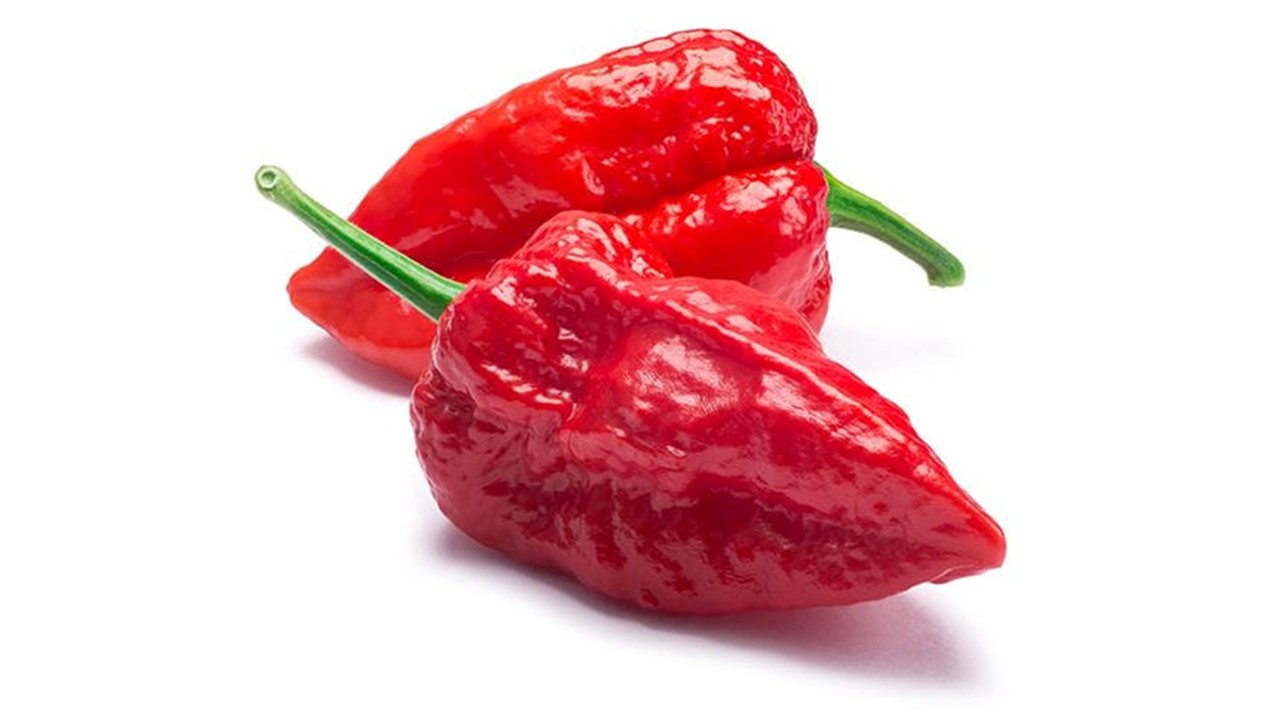
Fresh ghost peppers are typically red when fully ripe, though they can appear in other colors depending on growing conditions. Their thin skin and wrinkled texture are common traits, and their aroma alone can hint at the intensity inside. Because of their potency, ghost peppers are rarely eaten raw in large amounts. Instead, they’re most often cooked, dried, smoked, or fermented to create hot sauces, spice blends, and pepper pastes.
Handling ghost peppers requires care. Most of the heat lives in the inner membrane, and capsaicin oils easily transfer to skin and surfaces. Wearing gloves while cutting or processing ghost peppers is strongly recommended, and kitchen tools should be washed thoroughly afterward. Even small amounts can cause irritation if they come into contact with eyes or sensitive skin.
In cooking, ghost peppers are best used sparingly. A tiny piece can transform an entire dish. They work especially well in hot sauces, chili, barbecue marinades, and spicy condiments where their heat can be evenly distributed. Drying ghost peppers concentrates both flavor and fire, making ghost pepper powder a powerful ingredient for seasoning meats, soups, and stews. Fermenting them produces smoother, tangier heat that’s popular in craft hot sauces.
Ghost peppers are also valued for preservation projects. Fully ripe peppers are excellent for drying and fermenting because their developed sugars enhance flavor during processing. For many hot sauce makers, ghost peppers strike a sweet spot between extreme heat and usable flavor, offering intensity without sacrificing taste.
So what is a ghost pepper, really? It’s a super-hot chile with deep cultural roots, extreme spiciness, and surprising flavor complexity. Whether you’re making hot sauce, experimenting with spicy recipes, or building a bold pepper collection, the ghost pepper stands out as a legendary ingredient. When handled with respect and used thoughtfully, it delivers unforgettable heat paired with rich, layered flavor—making it a favorite among serious spice lovers.
