
Unlocking the Heat: All About Serrano Hot Peppers
🔥 Unlocking the Heat: All About Serrano Hot Peppers explores the bold flavor, crisp texture, and lively heat of serrano peppers—perfect for salsa, hot sauce, and everyday cooking. Learn how hot they are, how they taste, and how to use them to add bright, spicy flavor to any dish.
History and Origin of Serrano Peppers
Serrano peppers, known for their vibrant heat and rich flavor, trace their roots back to the mountainous regions of Mexico, particularly the states of Puebla and Hidalgo. The name ‘Serrano’ is derived from the Spanish term ‘Sierra,’ meaning mountain, aptly reflecting the pepper’s high-altitude origins. These peppers have been cultivated for centuries by the indigenous peoples of Mexico, who utilized them in both culinary and medicinal applications. Their adoption into Mexican cuisine and culture underscores their significance in the region’s agricultural and gastronomic history.
The spread of Serrano peppers beyond Mexico began with the Columbian Exchange, a period of cultural and biological exchanges between the New and Old Worlds. Spanish explorers and traders played a pivotal role in introducing these fiery peppers to Europe, and subsequently, to other parts of the globe. As global trade expanded, so did the popularity of Serrano peppers, making their way into various culinary traditions worldwide. Today, Serrano peppers are cherished not only in Mexico but also in cuisines across the Americas, Europe, and Asia.
Modern cultivation of Serrano peppers extends far beyond their native Mexico. These peppers are now grown in various parts of the world, including the United States, particularly in states like California and New Mexico, which provide ideal growing conditions. The global demand for Serrano peppers continues to rise, driven by their unique flavor profile and versatility in cooking. Despite their widespread cultivation, Serrano peppers have retained their cultural and culinary significance, symbolizing a rich heritage that continues to spice up dishes around the world.
Nutritional Profile of Serrano Peppers
Serrano peppers are not just about heat; they pack a nutritional punch that makes them a valuable addition to any diet. These peppers are low in calories, with one medium-sized pepper containing only about 2 calories. Despite their low caloric content, Serrano peppers are rich in essential vitamins and minerals, making them a nutrient-dense food choice. They are particularly high in vitamin C, providing a significant portion of the daily recommended intake. This vitamin is crucial for maintaining a healthy immune system, aiding in collagen production, and acting as a powerful antioxidant.
In addition to vitamin C, Serrano peppers contain notable amounts of vitamin A, vitamin B6, and vitamin K. Vitamin A is essential for maintaining good vision, skin health, and a robust immune system. Vitamin B6 plays a vital role in brain health and helps the body convert food into energy. Vitamin K is necessary for proper blood clotting and bone health. Furthermore, Serrano peppers are a good source of dietary fiber, which aids in digestion and helps maintain a healthy gut.
Mineral-wise, Serrano peppers offer a decent amount of potassium, an essential mineral for maintaining healthy blood pressure and heart function. They also contain small amounts of iron, magnesium, and manganese, which are important for various bodily functions, including oxygen transport, muscle function, and bone health. Additionally, the capsaicin present in Serrano peppers, responsible for their spiciness, has been studied for its potential health benefits, including pain relief, improved metabolism, and anti-inflammatory properties. Incorporating Serrano peppers into your diet can thus contribute to overall health and well-being.
Flavor Profile and Heat Level
One of the most distinctive characteristics of Serrano peppers is their unique flavor profile, which sets them apart from other chili peppers. Serrano peppers are known for their bright, vibrant taste with a crisp, fresh quality that adds depth to a variety of dishes. Unlike some peppers that primarily bring heat, Serrano peppers offer a complex flavor that combines a hint of sweetness with a pronounced earthy undertone. This intricate balance of flavors makes Serrano peppers a versatile ingredient in both raw and cooked forms.
When it comes to heat, Serrano peppers are a step up from jalapeños but not as intense as habaneros or ghost peppers. On the Scoville scale, which measures the spiciness of chili peppers, Serrano peppers typically range between 10,000 to 23,000 Scoville Heat Units (SHU). This heat level places them in the medium to hot category, offering a noticeable kick without overwhelming the palate. The heat of Serrano peppers is often described as sharp and immediate, yet it dissipates relatively quickly, leaving behind a lingering warmth.
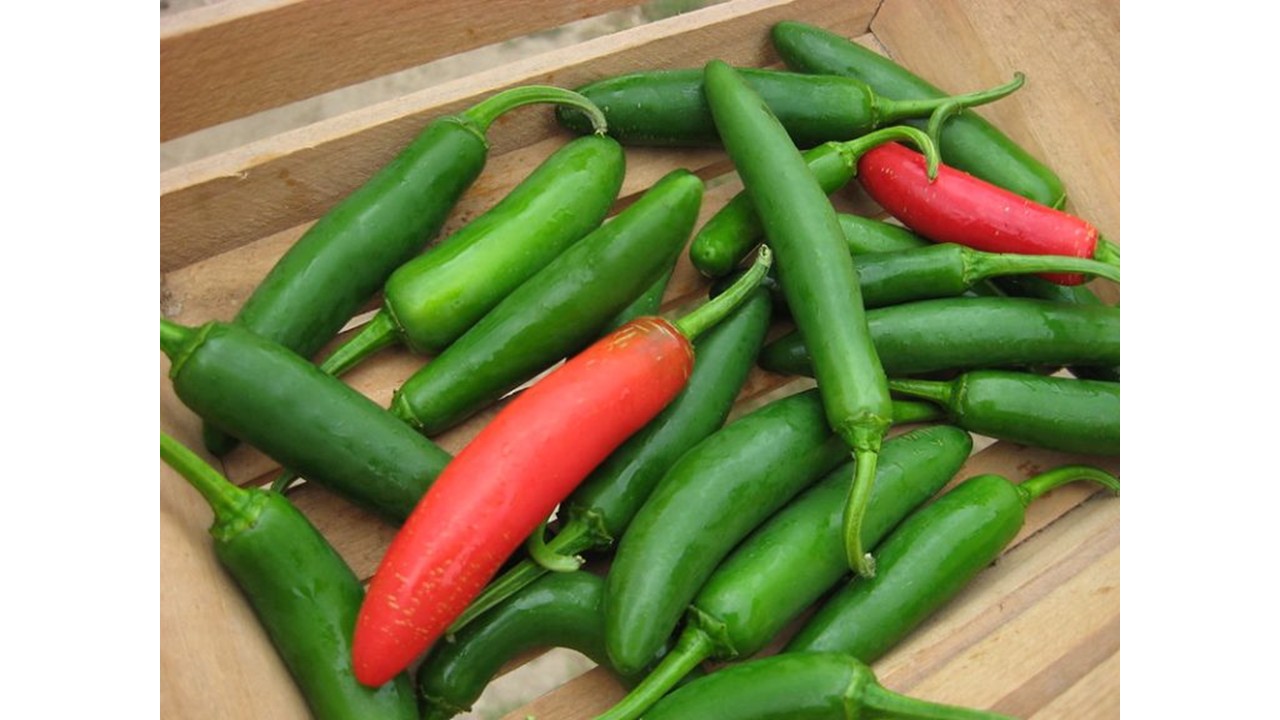
The heat level of Serrano peppers can vary based on several factors, including the growing conditions, climate, and ripeness at harvest. Generally, the smaller and more mature the pepper, the hotter it tends to be. Green Serrano peppers, which are harvested before they fully ripen, tend to be milder and crisper, while red Serrano peppers, which are allowed to mature on the plant, offer a more pronounced heat and a slightly sweeter flavor. This versatility in heat and flavor allows Serrano peppers to be used in a wide range of culinary applications, from salsas and sauces to pickling and roasting.
Culinary Uses of Serrano Peppers
Serrano peppers are a staple in Mexican cuisine, where they are celebrated for their versatile flavor and heat. One of the most popular ways to use Serrano peppers is in salsas and sauces. Their crisp texture and bright flavor make them an excellent choice for fresh salsas, such as pico de gallo, where they add a refreshing heat that complements the other ingredients. Serrano peppers can also be roasted or grilled to bring out their smoky undertones, making them a perfect addition to cooked salsas and hot sauces that require a deeper, more complex flavor.
In addition to salsas, Serrano peppers are often used in a variety of traditional Mexican dishes. They can be diced and added to guacamole for an extra kick, or sliced and used as a topping for tacos, tostadas, and nachos. Serrano peppers are also commonly used in marinades and rubs for meats, where their heat and flavor help to tenderize and infuse the meat with a deliciously spicy taste. Pickled Serrano peppers are another popular option, offering a tangy, spicy condiment that pairs well with sandwiches, burgers, and grilled meats.
Beyond Mexican cuisine, Serrano peppers have found their way into various international dishes. They are used in Thai, Vietnamese, and Indian cuisines, where their heat and flavor enhance curries, stir-fries, and soups. In American cuisine, Serrano peppers are often incorporated into spicy cocktails, such as margaritas and Bloody Marys, where they add a zesty kick. Their versatility and ability to complement a wide range of ingredients make Serrano peppers a valuable addition to any kitchen, providing endless possibilities for culinary creativity.
Growing Serrano Peppers at Home
Growing Serrano peppers at home can be a rewarding experience, offering a fresh supply of these spicy gems right from your garden. Serrano peppers thrive in warm, sunny conditions, making them ideal for cultivation in regions with a long growing season. To get started, you’ll need Serrano pepper seeds or seedlings, which can be purchased from garden centers or online. Begin by planting the seeds indoors about 8-10 weeks before the last expected frost date in your area. Use seed-starting trays filled with a high-quality potting mix and plant the seeds about 1/4 inch deep.
Once the seeds have germinated and the seedlings have developed a few sets of true leaves, they can be transplanted into larger pots or directly into the garden. Choose a location that receives full sun for at least 6-8 hours a day and has well-draining soil. Serrano peppers prefer slightly acidic to neutral soil with a pH of 6.0 to 7.0. Space the plants about 18-24 inches apart to allow for adequate air circulation and growth. Water the plants regularly, keeping the soil consistently moist but not waterlogged. Mulching around the plants can help retain moisture and suppress weeds.
As the plants grow, they may require support, such as stakes or cages, to keep them upright, especially when they start to produce fruit. Fertilize the plants every few weeks with a balanced fertilizer to promote healthy growth and fruit production. Serrano peppers are typically ready for harvest about 75-85 days after transplanting. Harvest the peppers when they are firm and have reached their desired size and color. Regular harvesting encourages the plants to produce more fruit throughout the growing season. With proper care and attention, you can enjoy a bountiful harvest of Serrano peppers from your home garden.
Health Benefits of Serrano Peppers
Incorporating Serrano peppers into your diet can offer a range of health benefits, thanks to their rich nutritional profile and bioactive compounds. One of the primary health benefits of Serrano peppers comes from their high vitamin C content. Vitamin C is a powerful antioxidant that helps protect the body against oxidative stress and supports a healthy immune system. Regular consumption of vitamin C-rich foods, like Serrano peppers, can help reduce the risk of chronic diseases, improve skin health, and enhance wound healing.
Another notable compound found in Serrano peppers is capsaicin, the substance responsible for their spiciness. Capsaicin has been extensively studied for its potential health benefits, including pain relief, anti-inflammatory properties, and metabolic boosting effects. Research suggests that capsaicin can help alleviate pain by desensitizing pain receptors in the body, making it a valuable natural remedy for conditions like arthritis and neuropathic pain. Additionally, capsaicin has been shown to increase metabolism and promote fat oxidation, which can aid in weight management.
Serrano peppers also contain various phytonutrients and antioxidants that contribute to overall health. These include flavonoids, carotenoids, and phenolic compounds, which have been linked to reduced inflammation, improved cardiovascular health, and a lower risk of certain cancers. The dietary fiber in Serrano peppers supports digestive health by promoting regular bowel movements and maintaining a healthy gut microbiome. Furthermore, the combination of vitamins, minerals, and antioxidants in Serrano peppers can help strengthen the body’s natural defenses, promote healthy aging, and enhance overall well-being.
Common Varieties of Serrano Peppers
While the classic green Serrano pepper is the most well-known variety, there are several other types of Serrano peppers that offer unique flavors and heat levels. One common variety is the red Serrano pepper, which is simply the fully ripened version of the green Serrano. Red Serrano peppers are sweeter and slightly hotter than their green counterparts, making them a great choice for those who enjoy a more intense heat. They are often used in salsas, hot sauces, and pickling due to their vibrant color and robust flavor.
Another variety to explore is the purple Serrano pepper, which features a striking deep purple color when immature. As the pepper matures, it changes to a reddish-brown hue. Purple Serrano peppers have a similar heat level to green Serranos but offer a unique visual appeal that can add a pop of color to dishes. These peppers are versatile and can be used in the same way as other Serrano varieties, whether fresh, cooked, or pickled. Their distinct color also makes them an attractive option for ornamental gardening.
There are also hybrid varieties of Serrano peppers that have been developed to offer specific traits, such as increased disease resistance, higher yields, or unique flavors. For example, some hybrids may have a milder heat level, making them suitable for those who prefer a less intense spice. Others may have enhanced sweetness or a more pronounced earthy flavor. Exploring these different varieties allows home gardeners and culinary enthusiasts to experiment with a range of flavors and heat levels, tailoring their choices to suit their preferences and culinary needs.
Tips for Storing and Preserving Serrano Peppers
Properly storing and preserving Serrano peppers is essential to maintaining their flavor, texture, and nutritional value. Fresh Serrano peppers can be stored in the refrigerator for up to two weeks. To extend their shelf life, place the peppers in a plastic bag or airtight container to prevent moisture loss. For longer-term storage, Serrano peppers can be frozen. Simply wash and dry the peppers, then place them in a single layer on a baking sheet and freeze until solid. Once frozen, transfer the peppers to a freezer-safe bag or container. Frozen Serrano peppers can be used directly in cooked dishes without thawing.
Another effective method for preserving Serrano peppers is drying. Dried Serrano peppers, also known as chili seco, can be used to add heat and flavor to a variety of dishes. To dry Serrano peppers, thread them onto a string and hang them in a well-ventilated area with low humidity. Alternatively, you can use a food dehydrator or an oven set to a low temperature. Once fully dried, store the peppers in an airtight container in a cool, dark place. Dried Serrano peppers can be ground into chili powder or rehydrated by soaking them in hot water before use.
Pickling is another popular way to preserve Serrano peppers. Pickled Serrano peppers offer a tangy, spicy condiment that can enhance sandwiches, tacos, and salads. To pickle Serrano peppers, slice them into rings and pack them into sterilized jars. Prepare a brine by boiling equal parts water and vinegar with salt and sugar to taste. Pour the hot brine over the peppers, ensuring they are fully submerged, and seal the jars. Store the pickled peppers in the refrigerator for up to several months. These preservation methods allow you to enjoy the vibrant flavor and heat of Serrano peppers year-round.
Conclusion and Final Thoughts on Serrano Peppers
Serrano peppers are a remarkable ingredient that brings a unique combination of heat, flavor, and versatility to the table. Their rich history and cultural significance in Mexican cuisine highlight their enduring appeal and importance. From their impressive nutritional profile to their wide range of culinary uses, Serrano peppers have earned their place as a beloved staple in kitchens around the world. Whether you’re adding a fresh Serrano to your salsa, exploring new varieties in your garden, or preserving them for later use, these peppers offer endless possibilities for culinary creativity.
Growing Serrano peppers at home can be a rewarding endeavor, providing a fresh supply of these spicy gems right from your garden. With the right care and attention, you can enjoy a bountiful harvest and experiment with different varieties to suit your taste. The health benefits of Serrano peppers, from their high vitamin C content to the beneficial effects of capsaicin, make them a valuable addition to a balanced diet. Their ability to enhance both flavor and health underscores their versatility and appeal.
In conclusion, Serrano peppers are more than just a source of heat; they are a vibrant, flavorful ingredient that can elevate a wide range of dishes. Whether you’re a seasoned chef or a home gardener, the world of Serrano peppers offers something for everyone. Embrace their fiery charm and explore the many ways these peppers can add spice and excitement to your culinary adventures. With their rich history, diverse varieties, and numerous health benefits, Serrano peppers truly are a culinary gem worth celebrating.
