
Too Many Hot Peppers? These Uses Save Your Sanity (and Your Taste Buds)
Peppers of Key West delivers flavor-first hot sauce experiences built on balance, tropical influence, and real pepper expertise.
Managing excess peppers is one of the most overlooked skills that separates beginner cooks from true hot sauce creators.

At first, too many hot peppers feels like winning the garden lottery. Then they keep ripening. And ripening. And suddenly you’re hiding bags of peppers in the fridge like secrets. This guide covers smart, flavorful ways to use excess hot peppers without panic, waste, or regrettable taste‑testing decisions.
Knowing how to handle excess peppers is what separates casual cooks from true hot sauce creators.
Too Many Hot Peppers These Uses Save Your Sanity (and Your Taste Buds)
If you have ever found yourself staring at a pile of chili peppers wondering what you were thinking, you are not alone. Whether from a garden harvest, a bulk purchase, or a moment of ambitious grocery shopping, having too many peppers can quickly go from exciting to overwhelming. The good news is that excess heat does not have to turn into wasted ingredients. With the right approach, those extra peppers can become some of the most flavorful and versatile creations in your kitchen, especially when you lean into the world of hot sauce and the bold flavor philosophy of Peppers of Key West.
The key is not to fight the heat but to redirect it. Peppers are not just about intensity; they are about depth, aroma, sweetness, and balance. Once you understand how to use them properly, you stop seeing “too many peppers” as a problem and start seeing it as an opportunity.
Too many peppers is never the problem—wasting their potential is.
TOO MANY HOT PEPPERS WHAT TO DO
When you have too many hot peppers, the first instinct is often to use them all at once, which usually leads to sauces or dishes that are far too intense. The smarter approach is to think in layers and applications. Peppers can be preserved, blended, cooked, fermented, or balanced with other ingredients to create something far more usable.
One of the most effective solutions is to turn excess peppers into homemade hot sauce. This allows you to control heat while extending shelf life and maximizing flavor. Want to transform your surplus peppers into something practical, like a hot sauce? Check out this post, Best Peppers for Hot Sauce: Pick the Pepper, Not a Fight or How to Make Hot Sauce at Home: From Mild to Wild Without Panic
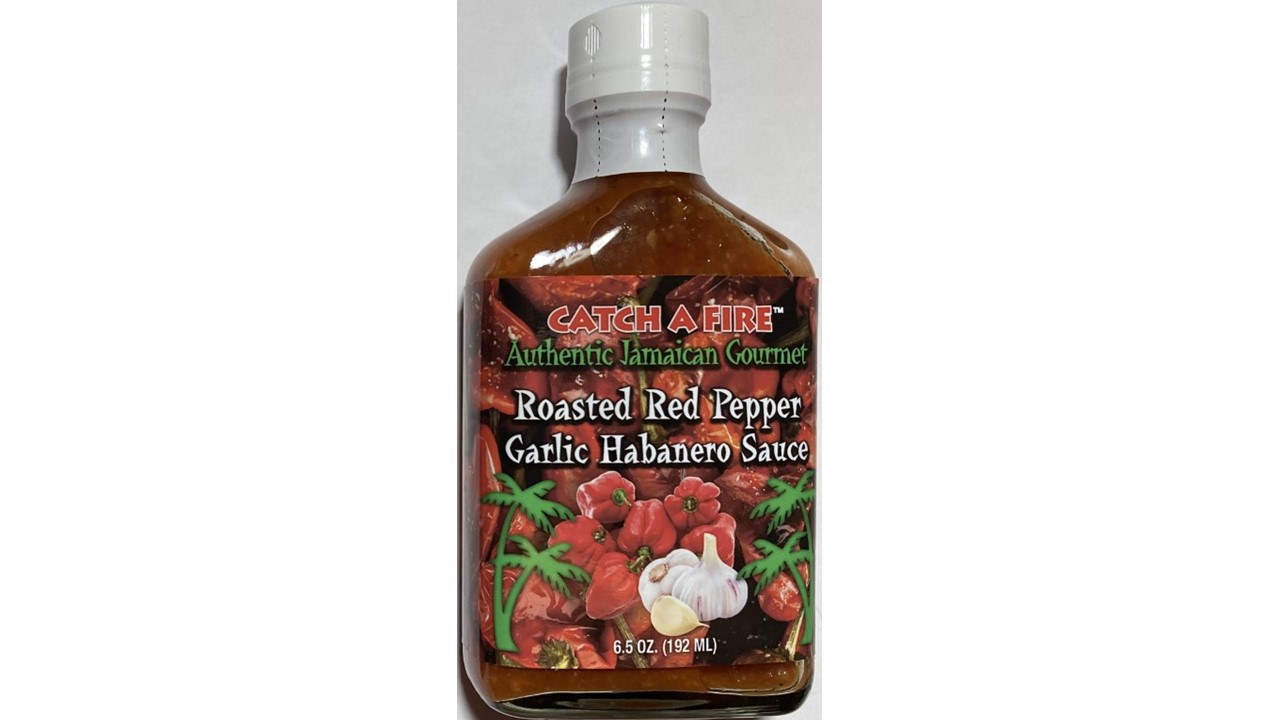
Another option is to freeze peppers for later use. Freezing preserves flavor and heat while giving you flexibility to use them in future recipes. Roasting peppers before freezing adds an extra layer of smoky depth that can elevate any sauce or dish later on.
HOW TO USE TOO MANY HOT PEPPERS WITHOUT WASTE
Using too many hot peppers effectively is about distributing heat across multiple uses instead of concentrating it in one place. A single batch of overly hot sauce can ruin the experience, but dividing peppers across several recipes allows you to maintain balance.
Blending peppers with fruits like mango or pineapple is one of the most effective ways to tame heat while enhancing flavor. This technique aligns perfectly with the tropical, flavor-first approach of Peppers of Key West, where sweetness and acidity work together to create harmony rather than chaos.
For more information on tasty flavor pairings, explore this article – Hot Sauce Flavor Pairing Ideas: Because Everything Deserves a Little Drama
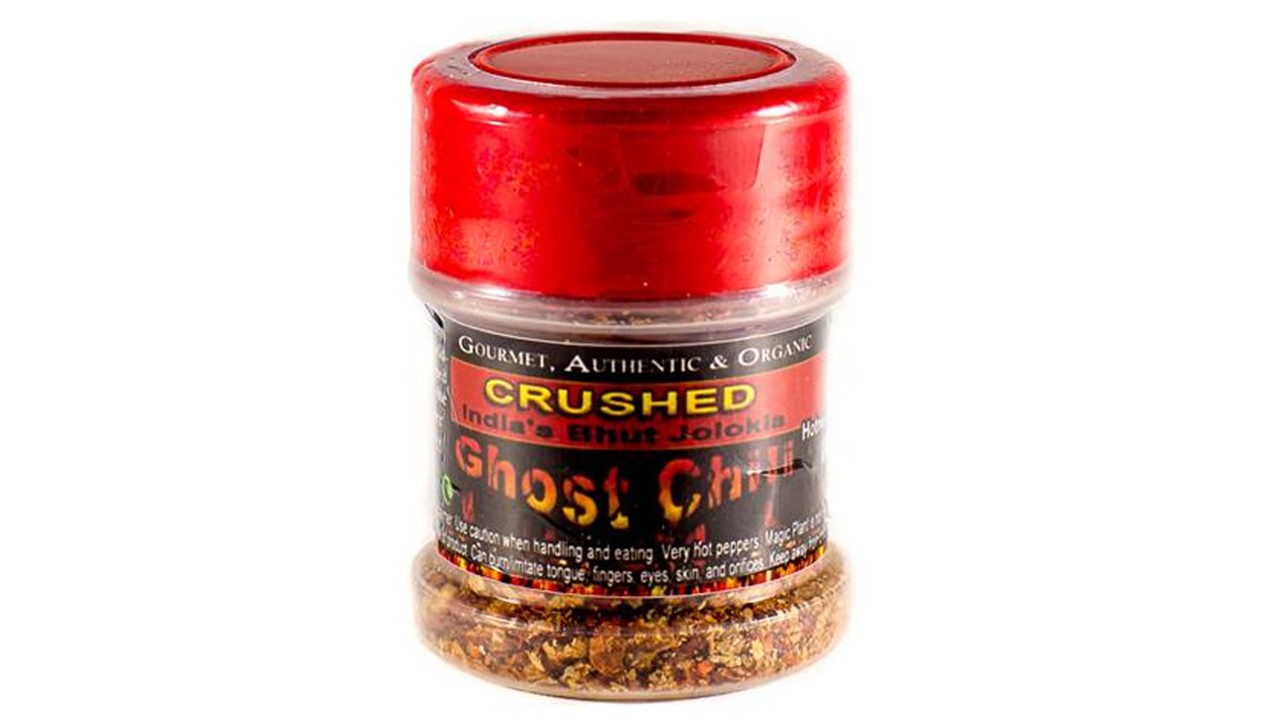
Cooking peppers into sauces, marinades, or even infused oils spreads their intensity across larger dishes, making them more usable. Drying peppers is another powerful option, allowing you to create powders or flakes that can be used sparingly over time.
BEST WAYS TO PRESERVE HOT PEPPERS FOR HOT SAUCE
Preserving peppers is one of the smartest ways to handle excess, especially if your goal is to continue making hot sauce over time. Fermentation is one of the most effective preservation methods, creating deeper, more complex flavors while naturally extending shelf life.
Quick pickling is another option, adding acidity and brightness that can later be blended into sauces. Vinegar-based preservation not only keeps peppers fresh longer but also enhances their usability in hot sauce recipes.
Check out these articles for more information: A Beginner’s Guide to Fermented Hot Sauce: Let It Rot (In a Good Way) or How to Store Hot Peppers: The Ultimate Guide to Keeping Peppers Fresh Longer
Preservation is not just about storage. It is about creating future ingredients that are already layered with flavor.
HOW TO BALANCE TOO MANY HOT PEPPERS IN RECIPES
Balancing heat is where most people struggle. Too many peppers in one recipe can quickly overwhelm everything else. The solution is not to remove peppers entirely but to counterbalance them with other elements.
Acidity from vinegar or citrus helps cut through heat. Sweetness from fruit or honey softens intensity. Fat from oils or dairy can mellow sharpness. When these elements are used correctly, even very hot peppers can become part of a well-rounded flavor profile. (Hot Sauce Flavor Pairing Ideas: Because Everything Deserves a Little Drama)
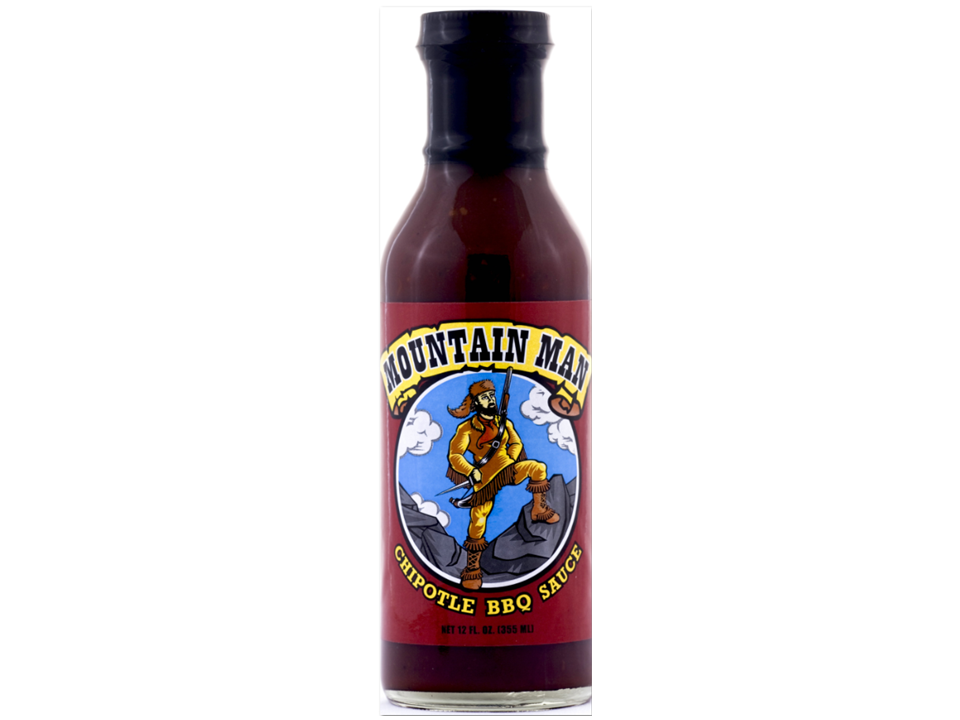
Find other categories of hot sauces here: our mild hot sauce collection, extra hot sauces, or even blend your extra peppers into to your favorite mustard or barbeque sauce.
Balancing heat is not about reducing it. It is about shaping it.
CREATIVE USES FOR TOO MANY HOT PEPPERS
Once you move beyond traditional recipes, peppers become incredibly versatile. They can be used in infused oils, spicy jelly or jam, salsas, marinades, and even desserts when paired with chocolate or fruit.
Hot peppers can also be incorporated into everyday meals in small amounts. A finely chopped pepper added to soups, sauces, or stir-fries can elevate flavor without overwhelming the dish.
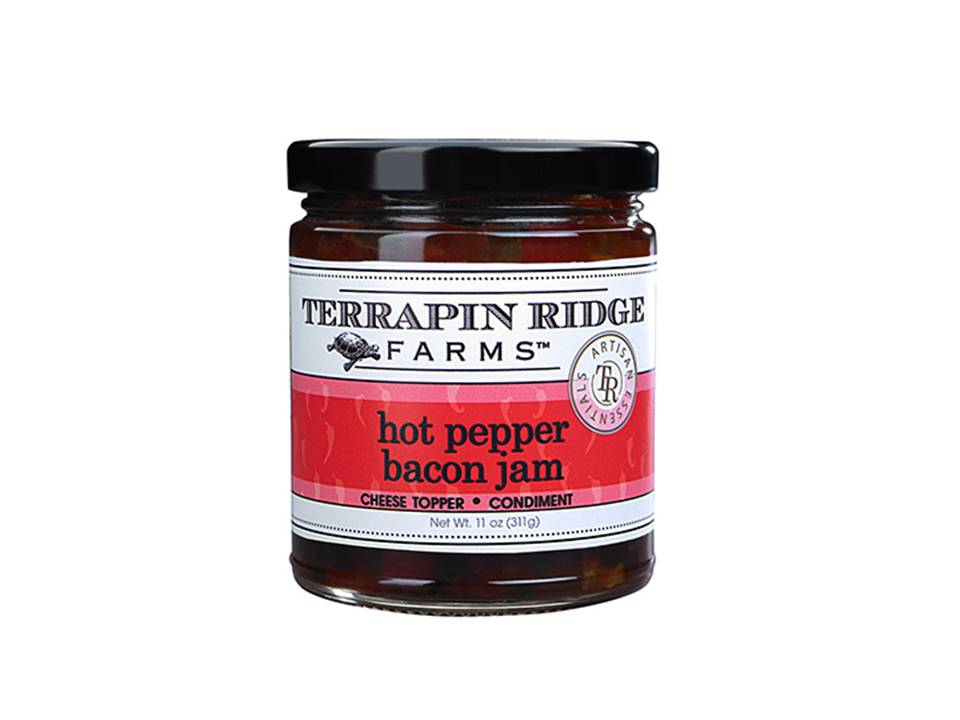
For more information, explore these articles: Mild vs Hot vs Extreme Hot Sauce (Which One Is Right for You?), Best Peppers for Hot Sauce: Pick the Pepper, Not a Fight, or From Garden to Bottle: How to Grow Peppers So Good Your Hot Sauce Gets an Ego!
The more ways you use peppers, the less likely you are to waste them.
❓ FREQUENTLY ASKED QUESTIONS
- What can you do with too many hot peppers
You can make hot sauce, dry them into powder, freeze them for later use, or incorporate them into marinades and sauces to spread out the heat. - Can you freeze hot peppers for later use
Yes, hot peppers freeze very well and retain most of their flavor and heat, making them perfect for future recipes. - How do you make hot peppers less spicy
You can reduce heat by removing seeds and membranes or by balancing peppers with sweet, acidic, or fatty ingredients. - Can you use too many peppers in hot sauce
Yes, using too many peppers without balancing ingredients can make hot sauce overpowering. Blending with fruit or vinegar helps control intensity. - What is the best way to preserve hot peppers
Fermentation, freezing, and pickling are all effective ways to preserve hot peppers while maintaining flavor and usability. - Can you dry hot peppers for later use
Yes, hot peppers can be dried for long-term storage and later use in powders, flakes, or rehydrated recipes. Drying concentrates both flavor and heat, making them ideal for controlled use in hot sauce and cooking. - How long do fresh peppers last
Fresh peppers typically last 1 to 2 weeks when stored in the refrigerator. Keeping them dry and in a breathable container helps extend their freshness and maintain flavor.
🔗 Explore More Hot Sauce Guides
- Best Peppers for Hot Sauce: Pick the Pepper, Not a Fight
- How to Make Hot Sauce at Home: From Mild to Wild Without Panic
- Hot Sauce Flavor Pairing Ideas: Because Everything Deserves a Little Drama
- Weird Things You Can Do with Hot Peppers (Fun, Unexpected, and Probably a Bad Idea)
- Mild vs Hot vs Extreme Hot Sauce (Which One Is Right for You?)
)