
The Ultimate Guide to the Mad Hatter Pepper – Sweet, Spicy Heat for Home Gardeners and Chili Heads
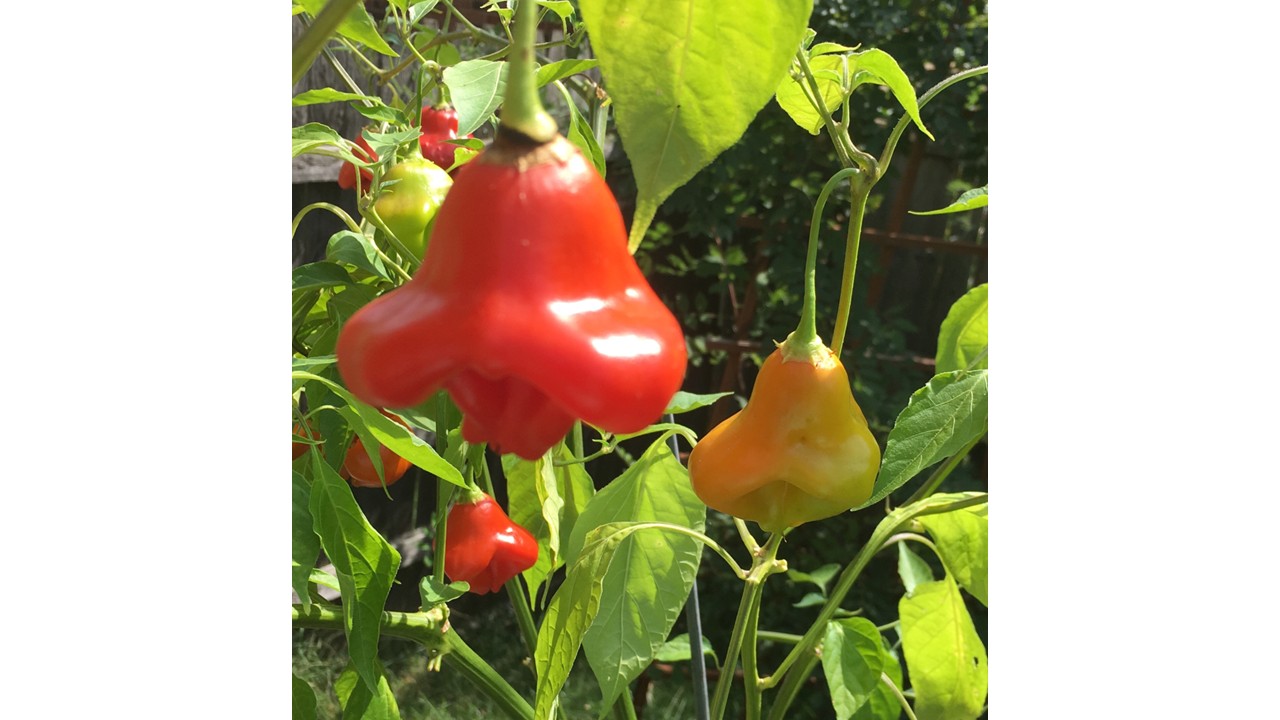
The Mad Hatter Pepper is one of the most unique and flavorful chili peppers available today. As a hybrid pepper developed for both flavor and moderate heat, it has captured the attention of chefs, home cooks, and gardening enthusiasts alike. This pepper, scientifically classified under Capsicum baccatum, is well known for its unusual lobed shape that resembles a whimsical hat, giving it its memorable name. Its bright green color that ripens to vibrant red makes it as visually appealing as it is flavorful, and it has become a favorite among gardeners and hot sauce enthusiasts alike, especially those who seek a balance between sweetness and heat.
At Peppers of Key West, the Mad Hatter Pepper is celebrated not only for its culinary versatility but also for its accessibility to gardeners of all skill levels. Unlike some extremely hot peppers that are intimidating for beginners, the Mad Hatter delivers a moderate heat with a Scoville Heat Unit rating between 500 and 1,000, making it perfect for those who enjoy a noticeable but manageable spice. The flavor profile is characterized by a natural sweetness and fruity notes, which pairs beautifully with a variety of dishes, from fresh salsas to gourmet hot sauces, and even grilled meats and vegetables.
The Mad Hatter Pepper thrives in sunny, warm environments with well-drained soil, making it an ideal plant for home gardens, raised beds, and even container growing. Gardeners appreciate its productivity, as the plant produces multiple peppers per branch, offering both quantity and quality. Its moderate heat makes it a favorite choice for family kitchens, as it introduces spice without overwhelming the dish, allowing the underlying flavors to shine. Whether you are adding fresh diced peppers to tacos, incorporating them into a fruity salsa, or using them as a key ingredient in a hot sauce, the Mad Hatter offers flexibility that few peppers can match.
For culinary enthusiasts, the Mad Hatter Pepper is highly versatile. It works beautifully in salsas, BBQs, hot sauces, and even in marinades or dressings. Its naturally sweet and mildly fruity flavor provides a solid base for crafting balanced hot sauces where heat and flavor complement each other rather than compete. It pairs well with a variety of ingredients, including tropical fruits like mango, pineapple, or papaya, as well as traditional aromatics like garlic, onion, and citrus. When blended into a hot sauce, the Mad Hatter can provide a smooth, flavorful heat that enhances dishes rather than dominating them.
The Mad Hatter also appeals to home gardeners and chefs who want a plant that is both decorative and functional. The bright, lobed peppers add visual appeal to any garden or patio, and they are easy to harvest once they ripen to red. The plant itself is robust and resilient, producing peppers consistently throughout the growing season. By growing Mad Hatter Peppers, gardeners not only gain access to a flavorful ingredient but also enjoy the satisfaction of nurturing a plant that is both beautiful and productive.
Preserving and preparing Mad Hatter Peppers is simple, allowing them to be enjoyed year-round. They can be used fresh, dried, or incorporated into homemade hot sauces. Drying the peppers concentrates both the heat and flavor, making them an excellent addition to spice blends or rubs for meats. For hot sauce makers, the Mad Hatter provides a perfect balance of heat and flavor, making it ideal for small-batch artisan sauces where the pepper’s sweet notes can shine. Its versatility makes it suitable for mild hot sauces, medium blends, or as a complementary pepper in extreme heat creations.
Beyond its culinary value, the Mad Hatter Pepper contains capsaicin, which may provide benefits such as boosting metabolism, supporting cardiovascular health, and enhancing digestion. For health-conscious cooks, this adds another layer of appeal to using Mad Hatter Peppers in their recipes. The pepper’s moderate heat ensures that it is approachable for most people while still delivering the sensory excitement that chili lovers crave.
The Mad Hatter Pepper is also an excellent educational tool for gardeners and culinary students. Growing this pepper teaches the fundamentals of Capsicum baccatum cultivation, including optimal sunlight, watering practices, and soil conditions. The plant encourages experimentation with harvesting times and flavor development, as slightly underripe peppers offer more crispness and subtle sweetness, while fully ripened peppers provide more depth of flavor and vibrant color.
For those seeking inspiration in the kitchen, the Mad Hatter Pepper can elevate a wide range of dishes. It can be diced and added to fresh salsas, roasted with vegetables, infused into vinegars, or pureed into hot sauces. Its combination of sweet, fruity flavor and moderate heat makes it a suitable choice for gourmet applications, from topping tacos and nachos to creating balanced hot sauces that highlight both flavor and heat. Hot sauce enthusiasts, particularly those who follow Peppers of Key West, often regard the Mad Hatter as a must-have ingredient for crafting flavorful, artisan hot sauces that are approachable yet exciting.
In conclusion, the Mad Hatter Pepper is a remarkable hybrid that combines flavor, heat, and visual appeal. It is perfect for gardeners, chefs, and chili lovers who want a pepper that is versatile, productive, and capable of delivering a unique sweet heat. From growing and harvesting to culinary applications in salsas, hot sauces, marinades, and BBQ rubs, the Mad Hatter Pepper stands out as a hybrid that is both functional and beautiful. By integrating Mad Hatter Peppers into your kitchen and garden, you gain access to a pepper that enhances dishes with balanced heat and fruity flavor, offering endless possibilities for creativity in cooking and sauce-making. Whether used fresh, dried, or in a gourmet hot sauce, the Mad Hatter Pepper delivers a satisfying spice experience that will delight both home cooks and seasoned chili enthusiasts alike.
