
The Flavor of Different Hot Peppers: How Heat, Sweetness, and Aroma Shape Every Dish
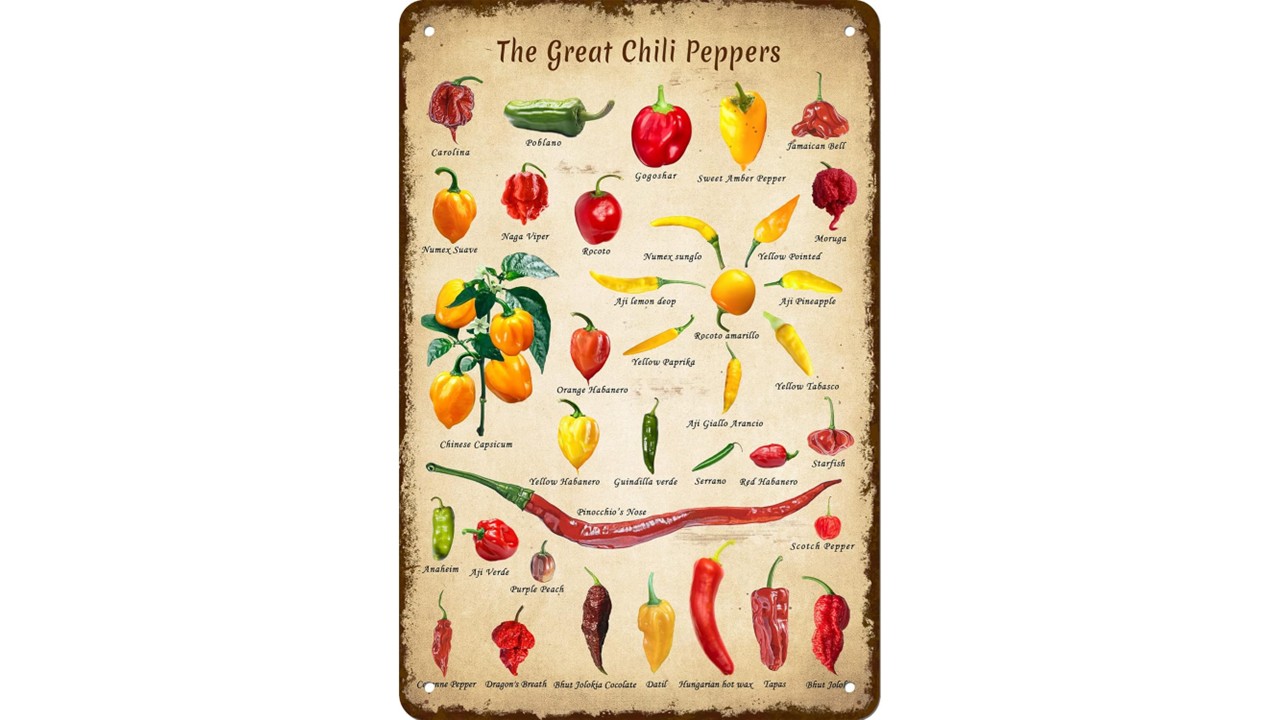
Hot peppers are far more than just spicy ingredients—they’re complex flavor builders that bring sweetness, fruitiness, smokiness, and earthy depth to recipes. While many people focus only on heat levels, the flavor of different hot peppers varies dramatically from variety to variety. Understanding these flavor profiles helps you choose the right pepper for sauces, salsas, marinades, and cooking, creating dishes that are balanced instead of overpowering.
One of the biggest misconceptions about hot peppers is that “hot is hot.” In reality, peppers deliver spice in very different ways. Some offer bright, crisp heat that hits quickly and fades fast, while others build slowly and linger on the palate. This sensation depends on capsaicin concentration, pepper structure, and natural sugars. Fresh peppers often taste grassy or citrusy, while dried peppers develop deeper, richer flavors as moisture disappears and compounds concentrate.
Many hot peppers carry subtle sweetness beneath their heat. These varieties are popular in sauces and glazes because they balance spice with natural sugar, creating a rounded flavor instead of sharp burn. Fruity peppers bring notes similar to tropical fruit or berries, making them excellent for sweet-heat recipes like pepper jellies or fruit-based hot sauces. Earthy peppers lean toward savory depth, pairing well with meats, stews, and slow-cooked dishes.
Smokiness is another major flavor dimension. Some peppers naturally taste smoky, while others gain that quality through roasting or drying. This flavor adds complexity and warmth, turning simple dishes into bold, layered meals. Smoky peppers are often used in barbecue sauces, chili, and spice blends because they mimic the taste of open-fire cooking.
Texture also affects flavor perception. Fresh hot peppers provide crunch and juiciness that brighten salsas and salads. Roasted peppers soften and become silky, releasing sweetness and reducing harsh edges. Dried peppers contribute body and richness once rehydrated, thickening sauces and deepening overall flavor. Even when heat levels are similar, texture changes how spice interacts with other ingredients.
Another factor influencing flavor is the pepper’s inner membrane. Most of the heat lives in this tissue, not the seeds themselves. Leaving the membrane intact delivers maximum spice; while removing it significantly mellows heat without sacrificing pepper taste. This allows cooks to fine-tune flavor intensity while keeping the character of the pepper intact.
Growing conditions also shape flavor. Sun exposure, soil quality, water levels, and ripeness all influence how a pepper tastes. Stress during growth can increase heat and intensify flavor, which is why peppers from the same plant may vary in spiciness and sweetness. Fully ripened peppers typically develop more complex flavor, often becoming sweeter or fruitier as they mature.
Using the right hot pepper for a dish is about matching flavor profiles, not just managing heat. Bright peppers complement fresh recipes like ceviche and salsa, while rich, earthy peppers work better in soups and braises. Fruity peppers shine in sauces and glazes, and smoky peppers elevate grilled foods and barbecue. Choosing thoughtfully prevents dishes from becoming one-dimensional and allows spice to enhance rather than dominate.
The beauty of hot peppers lies in their diversity. Each variety brings its own personality, from clean, sharp heat to deep, smoky warmth. Learning the flavor of different hot peppers gives you greater control in the kitchen and opens the door to endless creativity. Whether you’re crafting homemade hot sauce, seasoning meals, or experimenting with new recipes, understanding pepper flavor transforms spicy cooking from guesswork into an art.
