
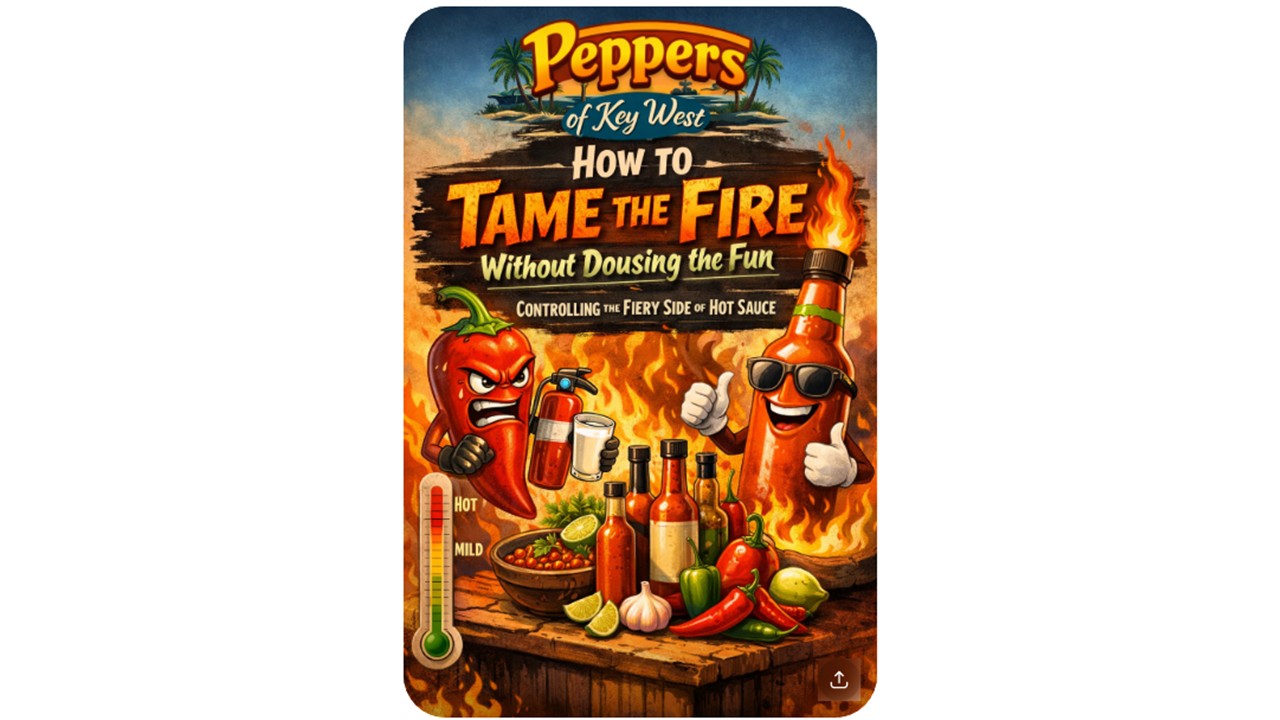
How to Tame the Fire Without Dousing the Fun: Controlling the Fiery Side of Hot Sauce
Because sometimes you want the flavor, not the panic attack—here’s how to keep your taste buds alive while enjoying a little heat.
Hot sauce is the ultimate culinary adventure. It can transform a simple taco into a flavor explosion or turn an unsuspecting chicken wing into a mouth-scorching challenge. But sometimes, that fiery kick is just… too much. So how do you control the heat without losing all the flavor? Whether you’re a spice adventurer or just a casual heat seeker, managing the intensity of hot sauce is an art—and a science.
The heat in hot sauce comes from capsaicin, the compound found in chili peppers that binds to receptors in your mouth, signaling “burn.” Capsaicin doesn’t actually burn tissue—it tricks your brain into thinking it’s on fire. Different peppers contain different concentrations of capsaicin, which is why a jalapeño feels like a friendly nudge and a habanero feels like a surprise punch. Understanding this is the first step to controlling the fiery aspects of your sauces.
One simple approach is dilution. Adding a neutral liquid, such as vinegar, citrus juice, or even water, can reduce perceived heat without sacrificing flavor. Many commercial hot sauces, including tropical-inspired Peppers of Key West sauces, are crafted with vinegar or fruit blends that naturally balance heat and enhance flavor. By adjusting the amount of sauce you add to your dish, you control how fiery it really gets.
Another trick is pairing hot sauce with fat or dairy. Capsaicin is fat-soluble, which means it binds to oils and fats. Adding a bit of cheese, avocado, or sour cream can mellow the burn while letting the flavor shine through. This is why dishes like creamy tacos or spicy cheese sauces are so delicious—they allow you to enjoy the heat without pain.
Cooking with hot sauce is also an effective way to manage intensity. Heat can break down some of the capsaicin over time, especially in dishes that cook longer. Slow-cooked sauces, stews, or marinades allow the flavor of peppers to infuse the dish while moderating the burn. Peppers of Key West sauces are versatile in this way—they’re designed to enhance flavor whether added fresh or incorporated into recipes.
Choosing the right peppers and sauces is another crucial strategy. Mild peppers like poblano or Anaheim provide flavor without extreme heat, while medium varieties like serrano or cayenne offer a noticeable kick. For bold heat seekers, habanero, scotch bonnet, and ghost peppers provide intense fire. Knowing which pepper or sauce you’re using lets you control the final spiciness of your dish without experimenting blindly.
Sweetness is a surprisingly effective way to tame fire. Many tropical hot sauces incorporate fruit—mango, pineapple, or citrus—which naturally balances heat. Peppers of Key West specializes in these blends, where sweetness softens capsaicin’s sting while amplifying tropical flavor. A drop of mango-infused hot sauce can transform a spicy dish into a balanced, flavorful experience rather than a painful ordeal.
Temperature also matters. Cold dishes, like salads or dips, often make heat feel more intense than hot dishes. By pairing sauces with warm or cooked foods, you can better control how fiery the experience feels. Likewise, introducing hot sauce gradually allows your taste buds to acclimate and appreciate the flavor, rather than shocking your palate all at once.
Capsaicin tolerance is also a factor. Regular consumption of spicy foods gradually desensitizes your mouth, allowing you to enjoy hotter sauces over time. For beginners, starting with mild Peppers of Key West sauces and progressively trying hotter blends is a fun way to increase your spice tolerance without panic.
Beyond culinary techniques, presentation and mindset also help. Labeling sauces by heat level, starting with “mild” or “medium,” and clearly communicating spiciness to guests prevents accidental mouth-burning experiences. Remember, hot sauce is supposed to be fun—it’s about flavor, creativity, and a little thrill, not regret.
Modern hot sauce makers have embraced these principles. Brands like Peppers of Key West carefully balance heat and flavor to create sauces that are enjoyable at multiple levels. Tropical fruit, citrus, and vinegar work together with bold peppers to provide a layered, flavorful experience where heat can be controlled without sacrificing taste. Whether drizzled, marinated, or cooked in, these sauces are designed for both heat novices and fiery aficionados.
Understanding the science behind capsaicin also helps. Capsaicin binds to heat receptors in your mouth called TRPV1 receptors. This triggers the sensation of burning without physical damage. Fat, dairy, sugar, acid, and cooking techniques can all modulate how these receptors are activated, giving cooks multiple tools to control the spiciness of their dishes.
Experimenting is part of the fun. Start small, taste frequently, and add more hot sauce as desired. Pair spicy sauces with complementary flavors—fatty, sweet, acidic, or salty—to control the heat while maximizing taste. Using sauces like Peppers of Key West Mango Pineapple, you can enjoy tropical, flavorful heat that is exciting but manageable.
Ultimately, controlling the fiery aspect of hot sauce is about balance. It’s about pairing, preparation, and understanding the ingredients. With the right peppers, complementary foods, and gradual introduction, anyone can enjoy hot sauce without risking a mouth-on-fire situation. This allows you to focus on what really matters—the incredible flavor, the culinary creativity, and yes, the thrill of a little heat.
Frequently Asked Questions
How can I reduce the heat of hot sauce without losing flavor?
Dilute with vinegar, citrus, or neutral liquids, pair with fats or dairy, and incorporate sugar or fruit for balance.
Does cooking hot sauce reduce its spiciness?
Yes, heat can break down capsaicin over time, moderating intensity while allowing flavor to develop.
Which peppers are best for controlling heat?
Mild peppers like poblano or Anaheim are less spicy, while medium peppers like serrano or cayenne provide moderate heat.
Can I increase my tolerance to spicy hot sauce?
Yes, gradually consuming hotter sauces trains your taste buds and allows you to enjoy higher heat over time.
What makes Peppers of Key West hot sauces special?
They combine tropical fruits, bold peppers, and balanced heat to create sauces that are flavorful, versatile, and manageable at multiple spice levels.
