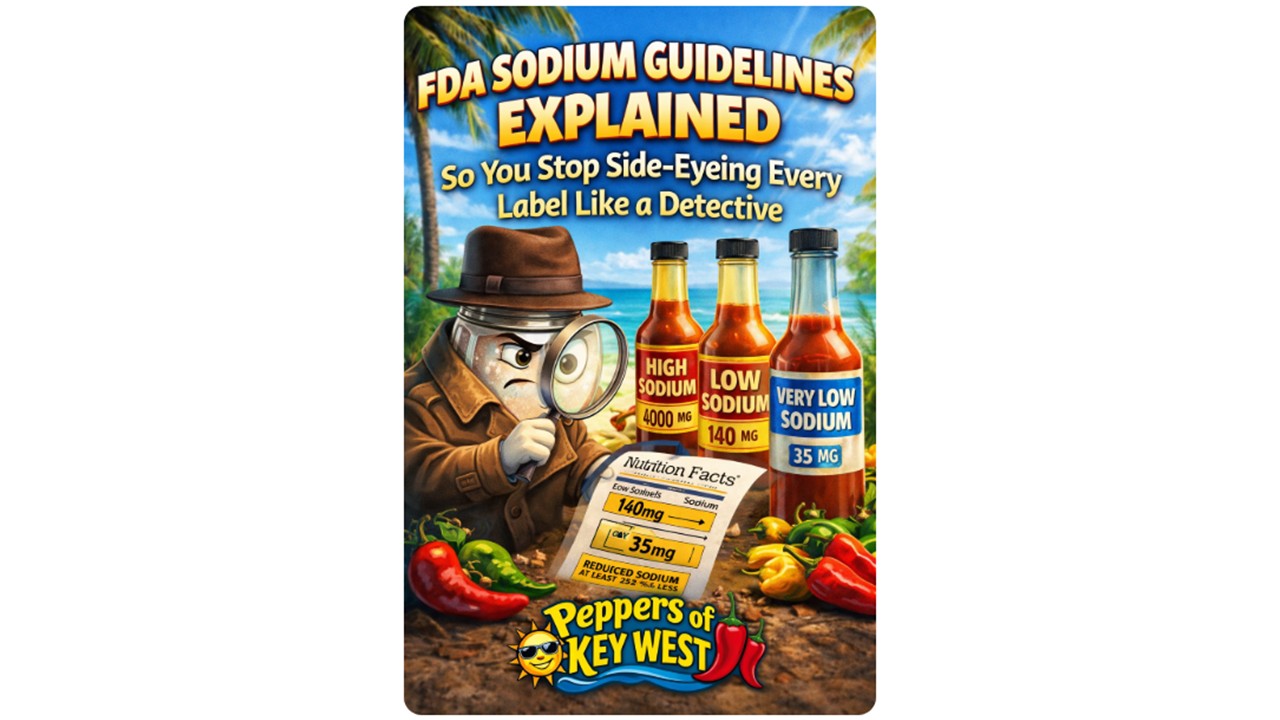
FDA Sodium Guidelines Explained So You Stop Side-Eyeing Every Label Like a Detective
Because suddenly you are reading labels like it is a crime scene and sodium is the main suspect
At some point in life, everyone has that moment where they flip over a food label and suddenly feel like they need a degree in nutrition just to understand what they are looking at. Sodium is usually the first thing that jumps out, and for good reason. It is one of the most talked-about nutrients in food, especially when it comes to health, flavor, and everyday eating habits. The FDA guidelines for sodium are meant to simplify things, but if you are not familiar with how they work, they can feel more confusing than helpful.
The foundation of these guidelines starts with a few key categories that define how much sodium is in a food product. These categories are not just random labels. They are standardized definitions that help consumers compare products and make informed decisions. Once you understand what they mean, reading a label becomes much less intimidating and a lot more useful.
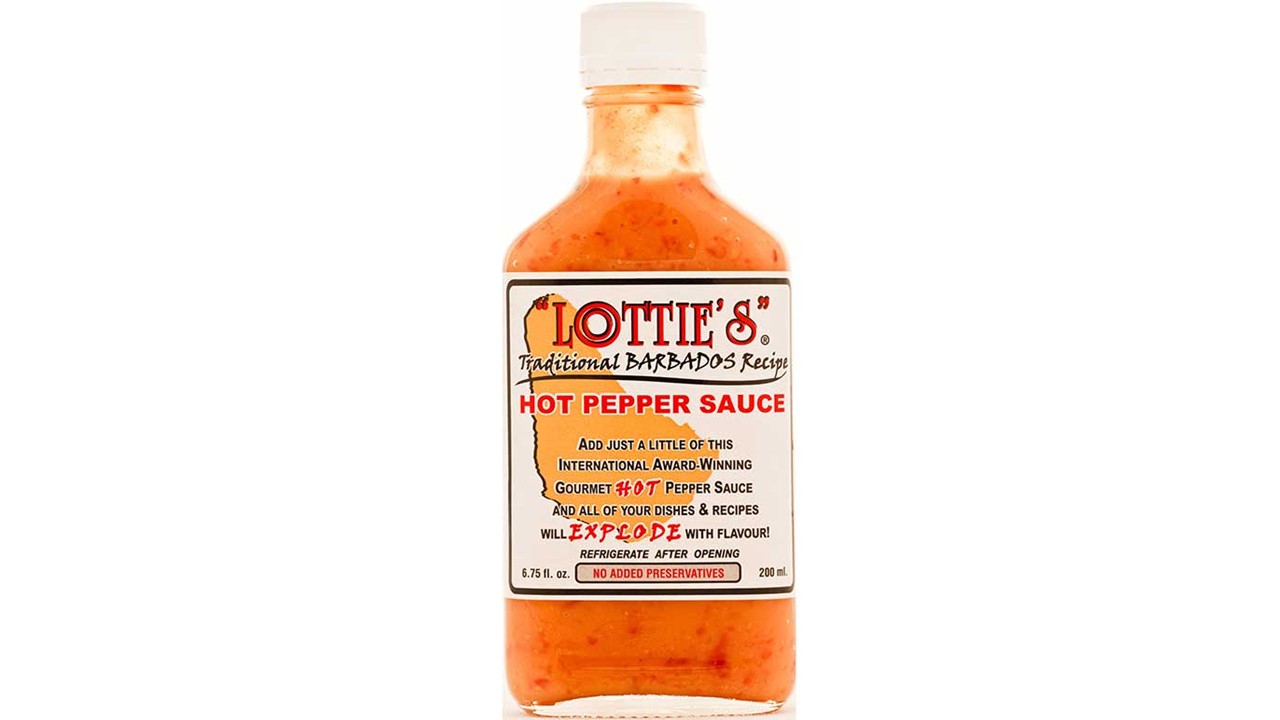
The first category is very low sodium, which means a product contains 35 milligrams of sodium or less per serving. This is about as minimal as it gets. Foods in this category are often designed for people who need to strictly limit their sodium intake, and they tend to rely heavily on other ingredients to provide flavor. In the world of hot sauce, this level is rare because salt often plays a role in preservation and taste, but it is not impossible to find options that come close. An example of a very low sodium hot sauce is Lotties Hot Pepper Sauce that comes in at 25mg per serving.
Next is low sodium, defined as 140 milligrams or less per serving. This is one of the most common targets for people trying to make healthier choices without sacrificing too much flavor. A hot sauce that falls into this category can still deliver a satisfying kick, especially if it is crafted with balance in mind. Brands like Peppers of Key West often focus on ingredient-driven flavor, which makes it easier to create sauces that feel bold without relying heavily on salt.
Then there is reduced sodium, which can be a bit misleading if you are not paying attention. Reduced sodium means the product has at least 25 percent less sodium than its regular counterpart, but that does not necessarily mean it is low in sodium overall. For example, if a standard hot sauce is very high in sodium, a reduced version might still have a significant amount. This is why it is important to look at the actual numbers rather than just the label.
On the other end of the spectrum is high sodium, which is generally considered to be 400 milligrams or more per serving. This is where things can add up quickly, especially if you are using multiple condiments or eating processed foods. Hot sauce, while typically used in small amounts, can still contribute to your overall intake if it falls into this category. Being aware of this can help you make better choices without giving up the flavors you enjoy.
What makes these guidelines particularly interesting is how they intersect with something like hot sauce. Hot sauce is not usually consumed in large quantities, but it is often used frequently. A few dashes here and there might not seem like much, but over time, those small amounts can accumulate. This is why understanding sodium levels in hot sauce is more important than many people realize.
The challenge for hot sauce makers is to create products that meet these guidelines while still delivering the bold, exciting flavors that people expect. This is where creativity comes into play. Instead of relying on salt as the primary flavor enhancer, many modern sauces use a combination of vinegar, peppers, fruits (Like Funky Monkey Banana Rum Pepper Sauce with only 60mg) , and spices to build complexity. This approach not only reduces sodium but also creates a more interesting taste experience.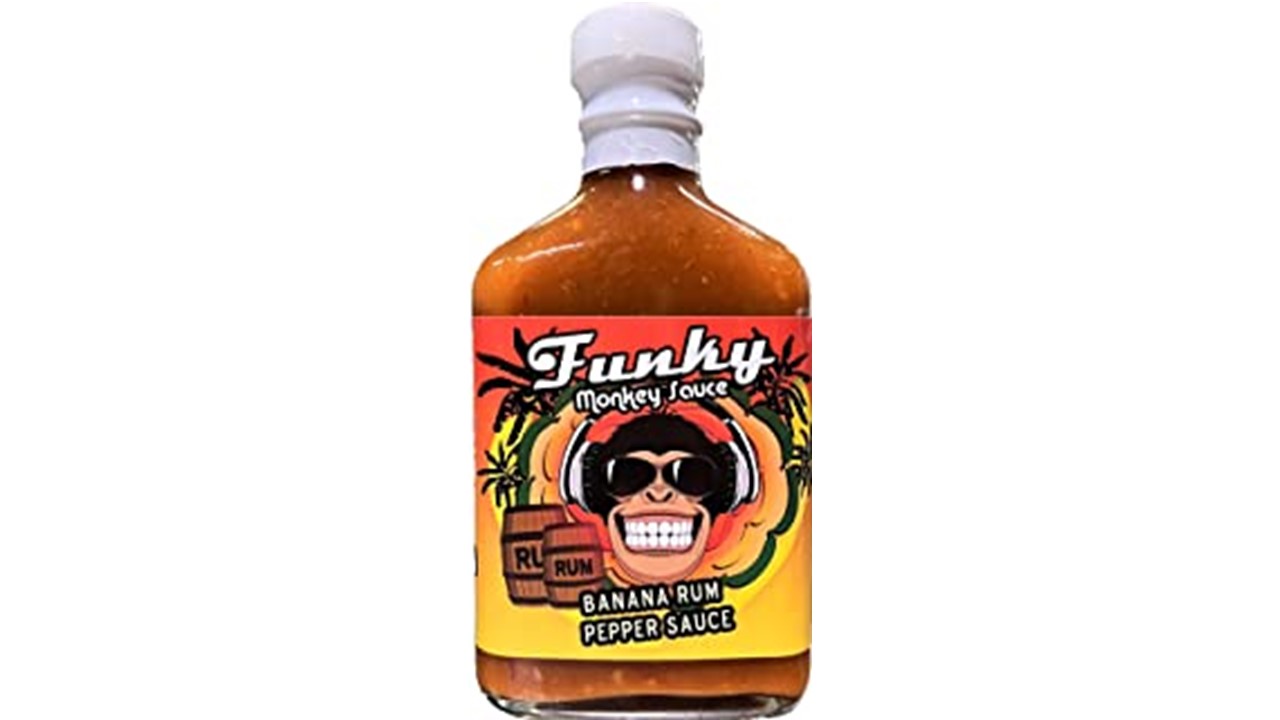
Peppers of Key West is a great example of this philosophy in action. Their sauces often highlight the natural flavors of the ingredients, allowing the peppers to shine while balancing acidity and sweetness. This makes their products a strong choice for those who want to enjoy hot sauce without feeling like they are overdoing it on sodium. It is proof that you can have flavor and balance at the same time.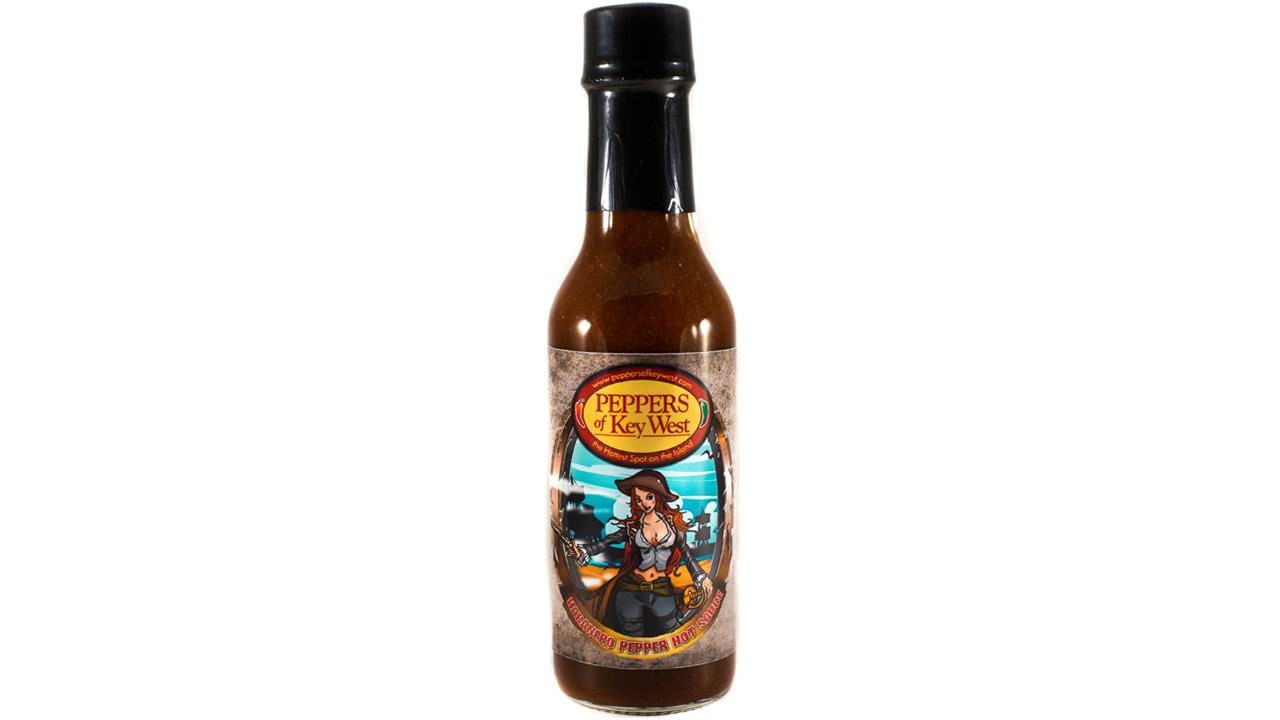
One of the biggest misconceptions about low sodium foods is that they are bland. This idea likely comes from older products that simply removed salt without adjusting the rest of the recipe. Today, however, the approach is much more sophisticated. By focusing on the interplay of different ingredients, it is possible to create sauces that are just as satisfying as their higher sodium counterparts.
Another important aspect to consider is how sodium interacts with other flavors. Salt enhances sweetness, reduces bitterness, and can even make spicy foods feel more balanced. When sodium is reduced, these effects need to be achieved through other means. This might involve using naturally sweet ingredients, adjusting acidity, or carefully selecting pepper varieties that bring their own unique characteristics to the table. Our Peppers of Key West Habanero Hot Sauce is an excellent example of this!
Understanding FDA sodium guidelines can also change the way you think about cooking. Instead of automatically adding salt, you might start exploring other ways to build flavor. Hot sauce becomes a valuable tool in this process, especially when it is designed with balance in mind. A well-made sauce can add depth and excitement without pushing your sodium intake too high.
There is also a practical side to all of this. For those who are monitoring their sodium intake, these guidelines provide a clear framework for making choices. They allow you to compare products, understand what you are consuming, and adjust your habits as needed. This does not mean you have to give up the foods you love. It simply means being more mindful of how they fit into your overall diet.
Hot sauce, in particular, is a great example of how small changes can make a big difference. Choosing a lower sodium option does not require a major lifestyle shift, but it can have a noticeable impact over time. It is one of those simple adjustments that can improve both your health and your enjoyment of food.
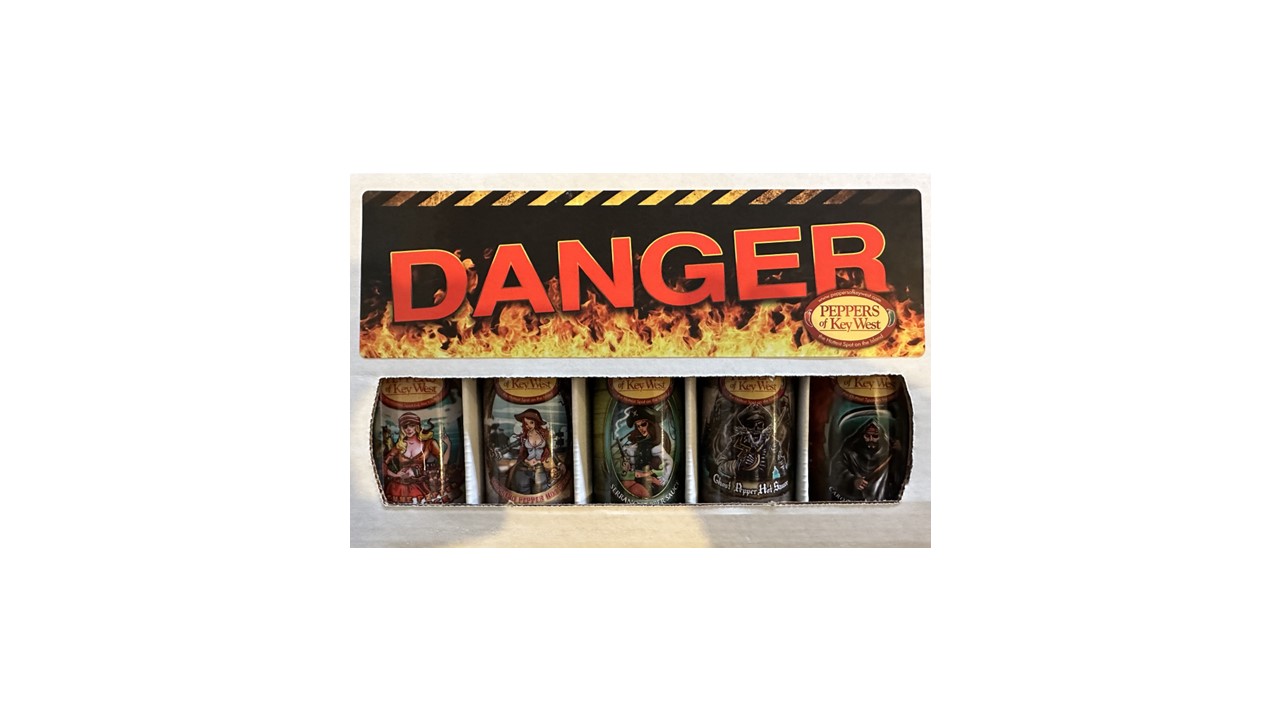
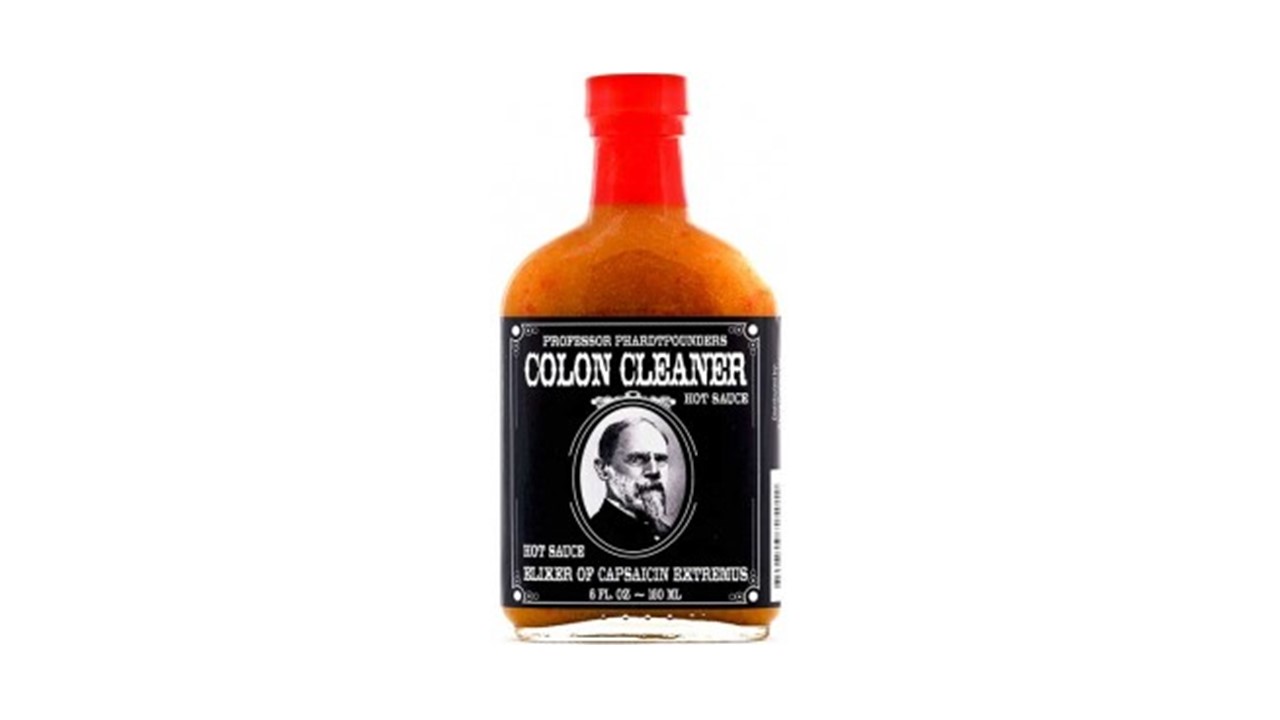
There is also an element of discovery involved. As you explore different hot sauces, especially those from places like Peppers of Key West, you may find that your preferences evolve. You might start to appreciate the subtler flavors, the balance of ingredients, and the way a well-crafted sauce can enhance a dish without overwhelming it. It is a shift from intensity to quality, and it can make eating more enjoyable overall. Colon Cleaner Hot Sauce is a mustard-based sauce with scotch bonnet peppers with only 30mg per serving
In the end, the FDA sodium guidelines are not just about numbers. They are about understanding how food works and how it affects you. They provide a framework, but they also encourage you to think more critically about what you are eating. When applied to something like hot sauce, they reveal a world of possibilities that goes beyond just heat and salt.
With the right approach, you can enjoy hot sauce that fits within these guidelines while still delivering the bold, exciting flavors you love. It is about finding the balance that works for you, exploring new options, and appreciating the craftsmanship that goes into a well-made product. And once you get the hang of it, reading those labels might not feel like detective work anymore. It might actually become part of the fun.
Frequently Asked Questions
What does low sodium mean according to the FDA?
Low sodium means 140 milligrams or less per serving.
What is considered very low sodium?
Very low sodium is 35 milligrams or less per serving.
Is reduced sodium the same as low sodium?
No, reduced sodium only means at least 25 percent less than the original product.
What is high sodium?
High sodium is typically 400 milligrams or more per serving.
Can hot sauce be low sodium and still taste good?
Yes, especially with options from Peppers of Key West that focus on balanced ingredients.
