
Does Roasting or Drying Hot Peppers Reduce Their Heat?
If you love cooking with spicy peppers, you’ve probably wondered whether roasting or drying hot peppers actually makes them less hot. The short answer is: sometimes—but not always in the way you might expect. Both roasting and drying change how heat is experienced, but neither method truly removes the spicy compound responsible for pepper burn. Instead, they affect flavor, texture, and how intensely that heat hits your palate.
The heat in hot peppers comes from capsaicin, an oil-based compound concentrated mainly in the inner membrane of the pepper. Capsaicin is heat-stable, meaning it doesn’t break down easily when exposed to high temperatures or dehydration. Because of this, roasting or drying hot peppers does not technically destroy the heat. However, these processes can change how that heat is perceived.
Roasting hot peppers often creates the illusion of reduced spiciness. When peppers are roasted, their natural sugars caramelize, producing a sweeter, smokier flavor that can balance or mask some of the burn. The flesh also softens, blending more smoothly into dishes and making the heat feel less sharp. While the capsaicin is still present, roasted peppers tend to deliver a rounder, more mellow spice compared to the bright, biting heat of fresh peppers. This is why roasted peppers often taste richer and less aggressive, even though their actual heat level hasn’t dropped significantly.
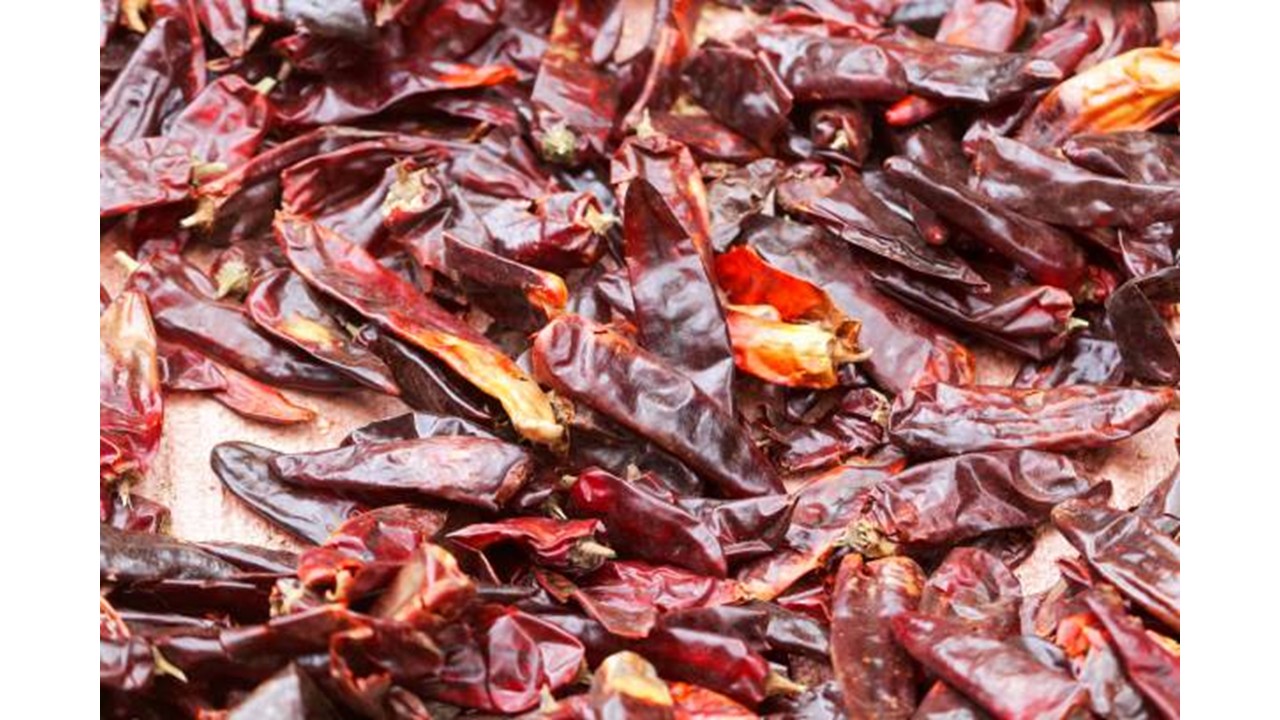
Drying hot peppers tells a different story. When peppers are dried, moisture is removed, but capsaicin remains. In fact, drying concentrates everything inside the pepper—including heat. As a result, dried peppers frequently taste hotter than their fresh counterparts by volume. This is why chili flakes and pepper powders can pack such a powerful punch. The flavor also deepens during drying, shifting from fresh and grassy to earthy, smoky, or slightly sweet depending on the variety and drying method.
That said, some people experience dried peppers as less intense than fresh ones because the heat releases more slowly. Fresh peppers deliver immediate, sharp heat, while dried peppers often build gradually. This slower burn can feel milder at first, even though the overall spiciness may be equal or stronger.
Preparation methods also matter. If you remove the inner membrane and seeds before roasting or drying, you will noticeably reduce heat. Since most capsaicin lives in the membrane, taking it out before processing peppers is one of the most effective ways to control spice levels. This technique is especially useful for cooks who want pepper flavor without overwhelming heat.
Pickling, fermenting, or cooking peppers into sauces after roasting or drying can further change how spicy they taste. Acidic environments and added ingredients like sugar, garlic, or fruit help soften the burn, creating balance. While capsaicin remains present, these flavor combinations make peppers more approachable and less fiery.
So, does roasting or drying hot peppers reduce their heat? Roasting can mellow perceived spiciness by adding sweetness and smoke, while drying usually concentrates heat by removing water. Neither method eliminates capsaicin, but both transform how that heat is experienced. Understanding these differences gives you greater control in the kitchen, whether you’re making mild roasted pepper sauces, bold dried chili blends, or anything in between.
By learning how heat behaves during roasting and drying, you can tailor your peppers to match your taste preferences. Keep membranes intact for maximum fire, remove them for gentler spice, roast for smoother flavor, or dry for concentrated intensity. With the right technique, hot peppers become a versatile ingredient that delivers exactly the level of heat you want—every time.
