
Can You Use the Wrong Chile for a Dish? How Pepper Choice Impacts Flavor and Heat
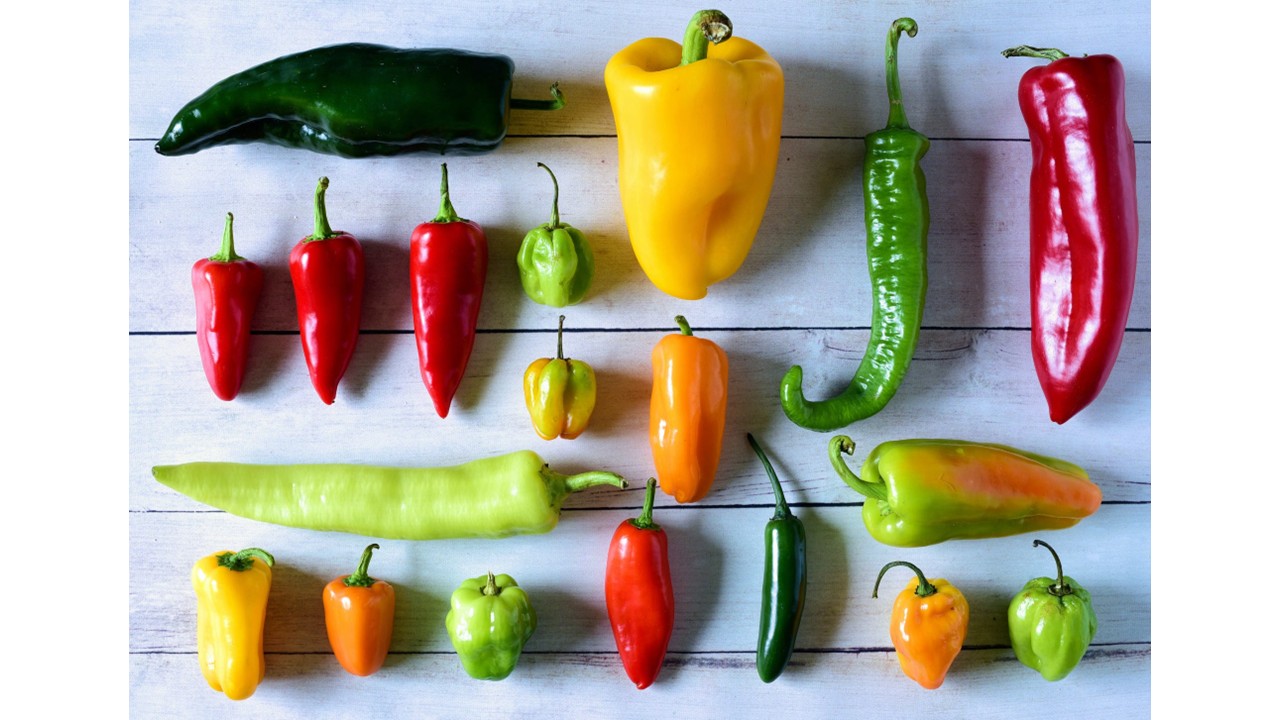
Yes—you absolutely can use the wrong hot pepper for a dish, and when it happens, the results can range from slightly off to completely overpowering. Chiles aren’t interchangeable ingredients. Each variety brings its own level of heat, sweetness, smokiness, fruitiness, and texture, and choosing the wrong one can throw off balance, mask flavors, or overwhelm your palate. Understanding how different chiles behave in cooking helps you build better recipes and avoid common spicy mistakes.
One of the biggest issues when using the wrong hot pepper is heat mismatch. Some chiles deliver gentle warmth, while others pack intense fire. Swapping a mild pepper for a hotter one can instantly turn a family-friendly meal into something nearly inedible. On the flip side, replacing a bold hot pepper with a mild variety can leave a dish tasting flat or underwhelming. Heat isn’t just about spice tolerance—it affects how flavors register on your tongue. Too much heat can drown out herbs, garlic, citrus, and other subtle ingredients, while too little heat may fail to activate the full flavor profile of the dish.
Flavor is just as important as spiciness. Some hot peppers are bright and grassy, others smoky and earthy, and some carry natural sweetness or fruity notes. Using the wrong hot pepper can change the entire personality of a recipe. A sauce meant to be deep and smoky may taste sharp and thin if made with a fresh hot pepper instead of a dried one. A salsa designed to be crisp and vibrant can feel heavy if a rich hot pepper replaces a lighter pepper. Even when heat levels are similar, flavor differences matter.
Texture also plays a role. Fresh chiles bring crunch and juiciness, while dried chiles add body and depth once rehydrated. Roasted chiles contribute softness and smoky complexity. If a recipe calls for dried hot peppers and you substitute fresh, the moisture content alone can alter consistency. Likewise, replacing fresh peppers with dried ones without adjusting liquid can result in sauces that are too thick or concentrated.
Another common mistake is ignoring the hot pepper’s membrane. Most of the heat lives in this inner tissue, not the seeds themselves. Leaving membranes intact delivers maximum spice, while removing them significantly mellows heat. Even if you choose the “right” hot pepper, how you prep it can determine whether the dish is pleasantly spicy or painfully hot. This is especially important when adapting recipes or experimenting with new hot pepper varieties.
Cultural context matters too. Many traditional dishes are built around specific chiles chosen for their unique flavor profiles. Substituting freely can move a recipe far from its original intent. While creativity is encouraged in cooking, understanding why a particular hot pepper was chosen helps you make smarter replacements when necessary. If you must substitute, aim to match both heat level and flavor characteristics, not just appearance.
That said, using the “wrong” hot pepper isn’t always a failure—it can be a learning experience. Sometimes happy accidents lead to new favorites. The key is knowing what you’re changing. If you swap hot peppers intentionally and adjust membranes, quantities, and cooking methods accordingly, you can still create balanced, delicious dishes.
So, can you use the wrong hot pepper for a dish? Absolutely—but doing so without understanding heat, flavor, and texture can drastically alter the outcome. Choosing the right hot pepper gives you control over spice levels, depth of flavor, and overall balance. Whether you’re making salsa, soup, stir-fry, or hot sauce, selecting the proper pepper—and preparing it correctly—makes all the difference. Once you learn how each hot pepper behaves, you’ll cook with more confidence and create dishes that taste exactly the way you intended.
