
Best Hot Sauce for Salsa (Flavor Pairing Guide for Real Heat)
If your salsa tastes like it gave up halfway through, the problem isn’t the tomatoes—it’s your hot sauce. Let’s fix that.
Salsa without the right hot sauce is like a band without a lead singer. Technically, everything is there, but something is missing. The rhythm is off, the energy feels flat, and no one is coming back for an encore. That missing piece is exactly what the right hot sauce brings to the table—depth, personality, and just enough heat to make things interesting.
Most people approach salsa the wrong way. They focus on the base—tomatoes, onions, garlic, maybe some cilantro—and treat hot sauce like an afterthought. But the truth is, hot sauce is what takes salsa from average to unforgettable. It’s not just about making it spicy. It’s about building layers of flavor that evolve with every bite.
If you’ve ever wondered why restaurant salsa tastes better than what you make at home, there’s a good chance it comes down to how heat is handled. Professionals don’t just dump in spice—they balance it. They think about how the heat interacts with acidity, sweetness, and texture. That’s where choosing the best hot sauce for salsa becomes critical.
Not all hot sauces are created equal. Some are designed to burn, others are designed to enhance. The difference is everything. A great hot sauce doesn’t overpower your salsa—it integrates into it. It should feel like part of the recipe, not something added at the last second.
Fresh salsa, like pico de gallo, benefits from lighter, brighter hot sauces. Citrus-forward profiles work incredibly well here because they amplify the natural acidity of tomatoes and lime. If you’re unsure how freshness plays into this, understanding the difference between pico de gallo and salsa can completely change how you approach flavor.
Cooked or roasted salsa is a different story. Once you introduce heat to the ingredients, everything deepens. The tomatoes become richer, the garlic mellows, and the overall flavor becomes more complex. This is where bolder hot sauces shine—smoky, layered, and slightly aggressive profiles that can stand up to that depth.
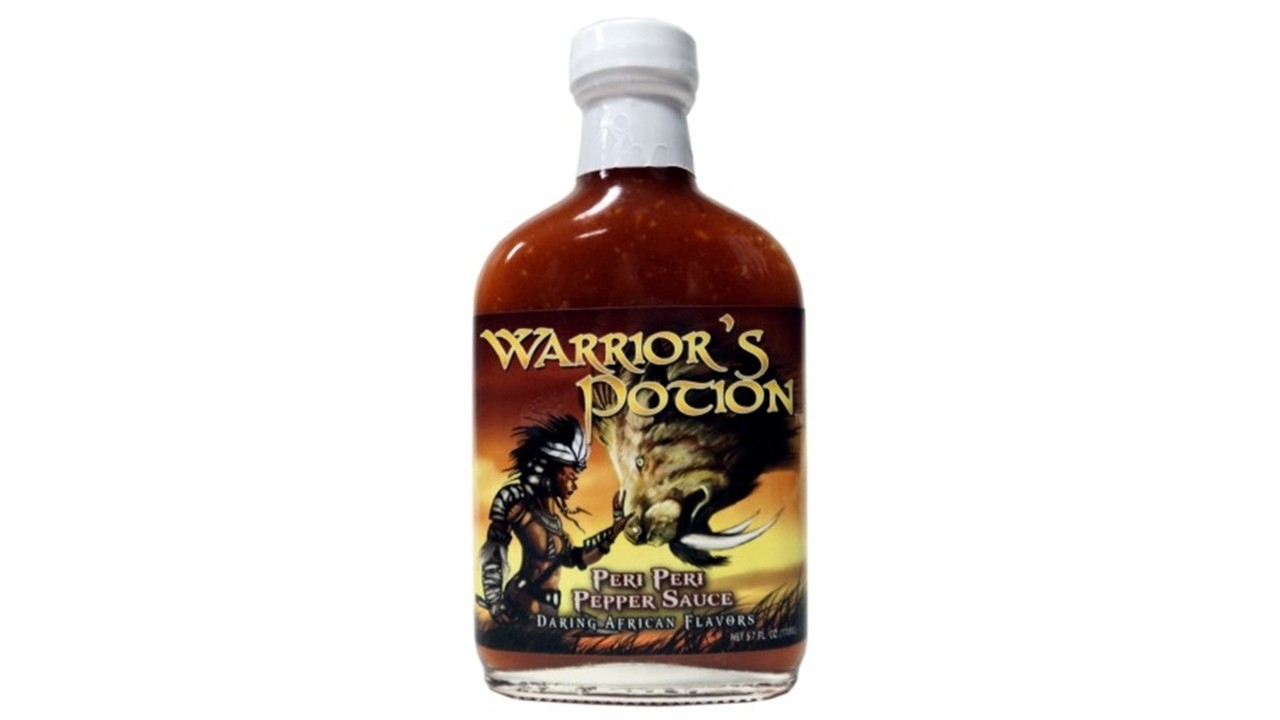
This is exactly where a Peppers of Key West hot sauce, like Warrior’s Potion Peri Peri Pepper Hot Sauce, separates itself from generic options. Instead of just delivering heat, it brings a balance of tropical brightness and bold pepper flavor that enhances salsa without overwhelming it.
One of the most overlooked aspects of pairing hot sauce with salsa is heat progression. Some sauces hit instantly and disappear. Others build slowly and linger. The best sauces for salsa create a layered experience. The first bite introduces flavor, the second builds heat, and the third makes you reach for another chip without hesitation.
Texture also matters more than people realize. A thin hot sauce blends seamlessly into salsa, creating a consistent flavor throughout. A thicker sauce creates variation—some bites mild, others intense. Neither approach is wrong. It just depends on the experience you want to create.
If you’re serious about improving your salsa, you also need to understand peppers. Different peppers bring different flavors, not just different heat levels. The Habanero, Poblano, and Peppadew peppers all have different flavors. Learning about peppers used in hot sauce helps you choose sauces that match your flavor goals instead of just guessing.
Another common mistake is overcorrecting. People taste their salsa, think it’s bland, and add too much hot sauce too quickly. Suddenly, the balance is gone. The key is to build gradually. Add a little, taste, adjust, repeat. This is how you create something intentional rather than accidental.
If you want to push your salsa further, experimenting with fresh ingredients and heat levels is essential. Learning how to make pico de gallo spicier can help you understand how fresh heat differs from cooked heat, and how both can be used strategically.
Salsa is one of the most versatile foods you can make. It can be light and refreshing or deep and smoky. It can be mild or intensely spicy. But no matter what direction you take, hot sauce plays a central role in shaping the final result.
Want to taste the difference? Try Peppers of Key West hot sauce and see how it transforms even the simplest salsa into something worth talking about.
The best part about working with hot sauce is that there’s always room to experiment. You can mix flavors, adjust heat levels, and create combinations that are completely your own. Once you start thinking about hot sauce as an ingredient rather than a condiment, everything changes.
And if you’re ready to take your salsa from average to unforgettable, Peppers of Key West is where to start.
❓ Frequently Asked Questions
What is the best hot sauce for salsa?
The best hot sauce enhances flavor while adding balanced heat, not just intensity.
Should hot sauce be added before or after making salsa?
It can be added during or after but adding gradually during preparation gives better control.
What type of hot sauce works best for fresh salsa?
Citrus or lighter hot sauces work best because they complement fresh ingredients.
Can hot sauce overpower salsa?
Yes, adding too much too quickly can ruin the balance of flavors.
What makes Peppers of Key West hot sauce different?
It focuses on layered flavor and balanced heat rather than just spice.
)